3 for 2 on all shirts →

The Layering Guide

The Layering Guide

The layering system is one of the most effective ways to stay comfortable outdoors. By combining multiple layers, you can regulate temperature, manage moisture and adapt to changing weather conditions throughout the day.

In this guide, we’ll explain how the layering system works, the purpose of each layer and how to dress for outdoor life throughout the year.

image 589
meteorology 1
image 517

Designed in Sweden

Made for changing conditions

Trusted by 8000+ customers

image 589
meteorology 1
image 517

Designed in Sweden

Made for changing conditions

Trusted by 8000+ customers

Quick Answer

The layering system is a method of dressing in multiple layers that work together to regulate body temperature, manage moisture and protect against changing weather conditions.

A typical layering system consists of three layers:

  • A base layer that manages moisture
  • A mid layer that provides insulation
  • An outer layer that protects against wind and precipitation

By combining these layers, you can adapt your clothing to different weather conditions and activity levels throughout the year.

What is the layering system?

The layering system is a practical approach to outdoor clothing that uses multiple layers to help regulate body temperature, manage moisture and adapt to changing weather conditions.

Rather than relying on a single heavy garment, each layer serves a specific purpose. A base layer helps move moisture away from the skin, a mid layer provides insulation and an outer layer protects against wind and precipitation. Together, these layers create a flexible clothing system that can be adjusted throughout the day as weather conditions and activity levels change.

The layering system is widely used for hiking, hunting, outdoor work and everyday outdoor life because it makes it easier to stay comfortable across changing temperatures, weather conditions and activity levels.

Why layering works

The main advantage of the layering system is flexibility. Weather conditions, activity levels and temperatures can change quickly throughout the day, especially during outdoor work, hiking and other outdoor activities.

Rather than relying on a single heavy garment, multiple layers allow you to add or remove insulation as conditions change. This helps prevent overheating during periods of activity while maintaining warmth when temperatures drop.

A well-balanced layering system also improves moisture management. By moving moisture away from the skin and allowing excess heat to escape, layers help keep you dry and comfortable for longer periods outdoors.

Benefits of the layering system

  • Better temperature regulation
  • Easier adaptation to changing weather conditions
  • Improved moisture management
  • Greater comfort during activity
  • Versatility throughout the year

The three layers explained

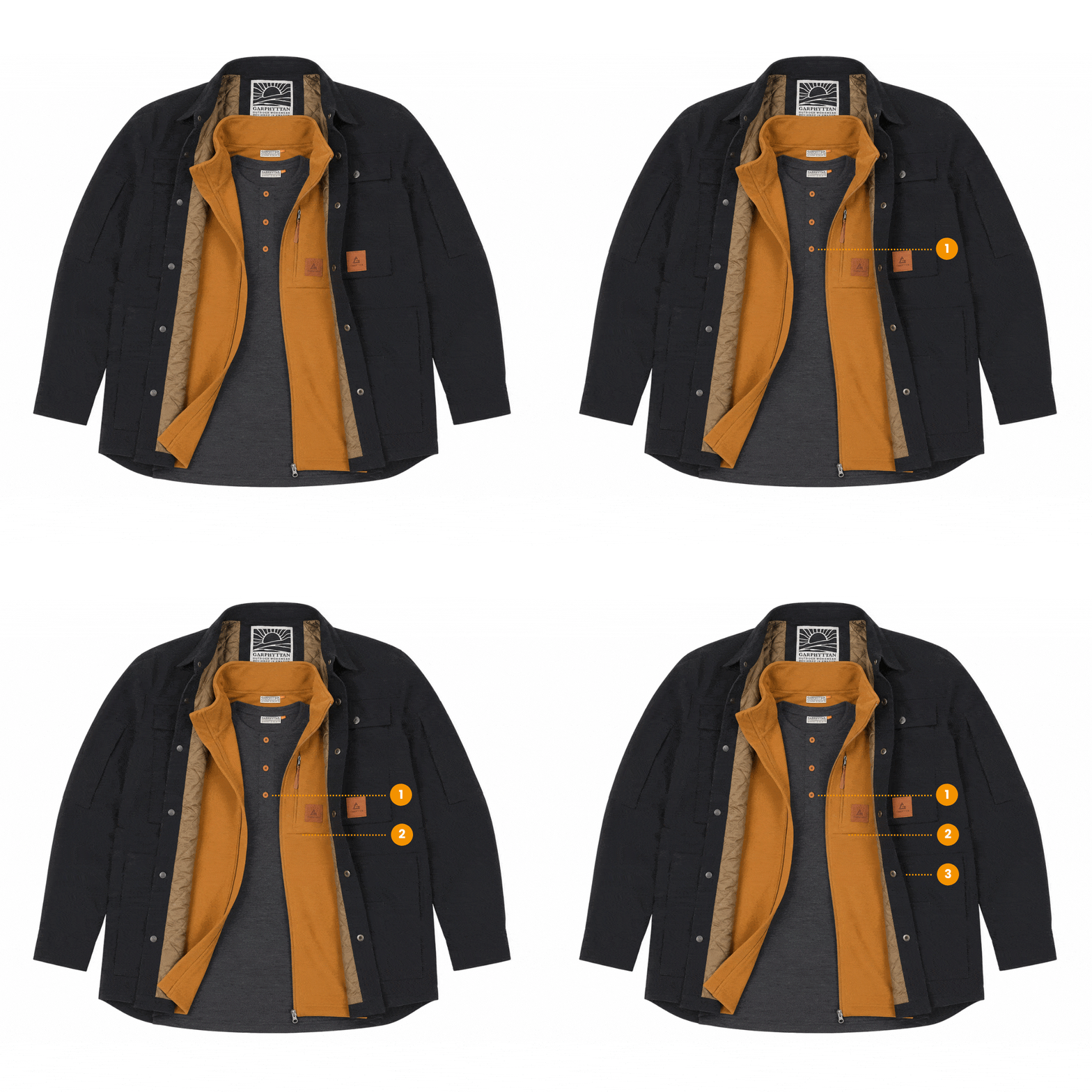
The layering system consists of three layers, each with a specific purpose. Together they help regulate body temperature, manage moisture and protect against changing weather conditions.

gif layer (kopia)

Layer

Function

1. Base layer

Moisture management

2. Mid layer

Insulation

3. Outer layer

Weather protection

Let’s take a closer look at how each layer works and what to consider when building an effective layering system.

Base layer

Purpose: Moisture management

The base layer is worn closest to the skin and forms the foundation of the layering system. Its primary role is to move moisture away from the body, helping you stay dry and comfortable during both activity and rest.

Merino wool is a popular choice for base layers because it helps regulate body temperature, insulates even when damp and naturally resists odor during extended use. Synthetic base layers are often preferred for high-intensity activities where fast drying performance is a priority.

A good base layer should:


  • Move moisture away from the skin
  • Help regulate body temperature
  • Remain comfortable during activity
  • Dry quickly

Explore our merino wool base layers →

Mid layer

Purpose: Insulation

The mid layer provides insulation by trapping warm air close to the body. Its role is to help retain body heat while still allowing excess moisture and heat to escape when activity levels increase.

Fleece is one of the most common mid layer materials because it offers an excellent balance of warmth, breathability and comfort. Depending on the temperature and conditions, the mid layer can range from a lightweight flannel shirt or overshirt to a warmer fleece or insulated jacket.

A good mid layer should:


  • Provide warmth without excessive bulk
  • Remain breathable during activity
  • Work well with other layers
  • Allow freedom of movement

Explore our fleece and insulating layers →

Outer layer

Purpose: Weather protection

The outer layer acts as the protective shell of the layering system. Its primary role is to shield you from wind, light rain and changing weather conditions while allowing moisture and excess heat to escape from the layers underneath.

The right outer layer depends on the weather and activity level. In milder conditions, a lightweight jacket or overshirt may provide sufficient protection, while colder or wetter conditions often require a more protective outer layer.

Many cotton-blend outer layers can also be treated with wax to improve water resistance and help protect the fabric from moisture and wear. Learn more in our Waxing Guide.

A good outer layer should:


  • Protect against wind and changing weather
  • Allow moisture to escape
  • Fit comfortably over multiple layers
  • Adapt to a wide range of outdoor conditions

Explore all outerwear →

How to dress for different conditions

The right layering combination depends on the weather, activity level and environment. Here are some common examples of how to adapt the layering system throughout the year.

Mild spring and summer weather

In mild conditions, a lightweight layering system is often enough to provide comfort throughout the day. The focus should be on breathability and flexibility rather than maximum insulation.

Recommended layering system:

  • Lightweight merino wool base layer
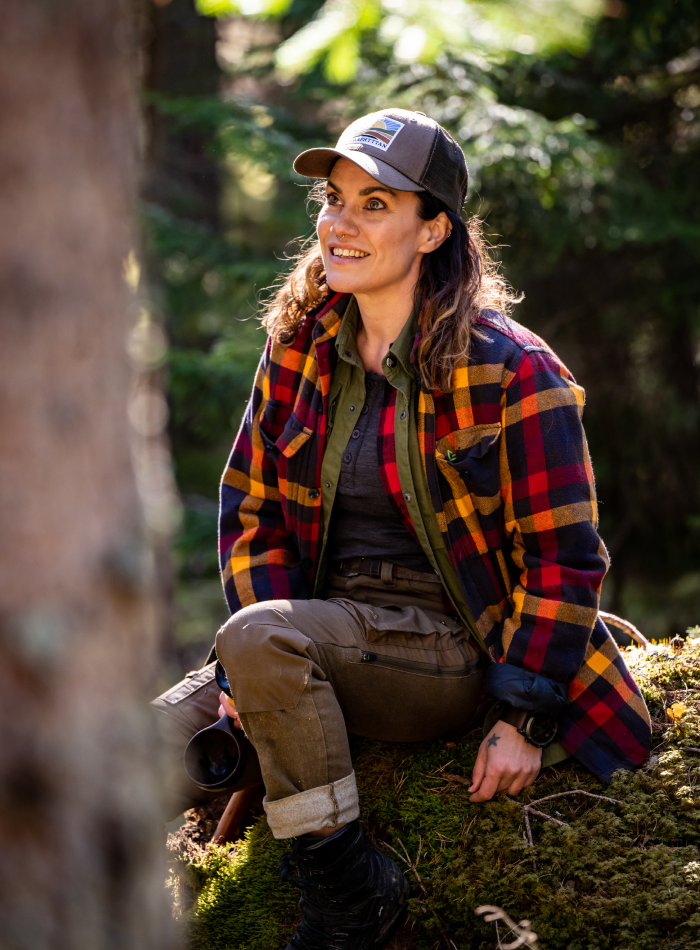
  • Flannel shirt or overshirt
  • Lightweight outer layer if needed

This combination works well for hiking, outdoor work and everyday outdoor activities during warmer months.

Explore our flannel shirts →

Cool autumn conditions

Autumn weather often brings cooler temperatures, wind and rapidly changing conditions. This is where the layering system becomes particularly valuable.

Recommended layering system:

  • Merino wool base layer
  • Fleece or insulating mid layer
  • Protective outer layer

The ability to add or remove layers throughout the day helps maintain comfort as temperatures fluctuate.

Explore our fleece and insulating layers →

Cold winter weather

In cold winter conditions, all three layers typically play an important role. The focus shifts towards retaining body heat while still managing moisture during activity.

Recommended layering system:

  • Merino wool base layer
  • Warm fleece or insulated mid layer
  • Protective outer layer

Avoid relying on a single heavy garment. Multiple layers generally provide better temperature regulation and comfort throughout the day.

Explore our merino wool base layers →

Outdoor work in changing conditions

Outdoor work often involves alternating between periods of high activity and lower activity. A flexible layering system makes it easier to adapt without becoming too warm or too cold.

Recommended layering system:

  • Moisture-managing base layer
  • Flannel shirt, overshirt or fleece
  • Durable outer layer

This approach works particularly well for forestry, gardening, farming, property maintenance and other outdoor projects.

Read our Outdoor Workwear guide →

Common layering mistakes

Even a well-designed layering system can become less effective if the layers are used incorrectly. Here are some of the most common mistakes to avoid.

Wearing cotton as a base layer

Cotton retains moisture, which can make you feel cold and uncomfortable when activity levels decrease. Merino wool and technical synthetic materials generally manage moisture more effectively.

Wearing too many layers

Adding more insulation is not always better. Too many layers can restrict movement and cause overheating during activity.

Not adjusting for activity level

The ideal layering system depends on both the weather and how active you are. High-intensity activities often require more breathability than static activities.

Relying on a single heavy garment

A flexible layering system is usually more effective than relying on one thick jacket for all conditions.

Frequently asked questions

A base layer helps move moisture away from the skin to keep you dry and comfortable. It forms the foundation of the layering system and plays an important role in regulating body temperature during activity.

No. The layering system is flexible and should be adapted to the weather and activity level. In mild conditions, a base layer and lightweight mid layer may be enough, while colder conditions often require all three layers.

In cold conditions, a typical layering system consists of a moisture-managing base layer, an insulating mid layer and a protective outer layer. This combination helps retain warmth while allowing moisture to escape.

Yes. Depending on the conditions, a flannel shirt or overshirt can work well as a lightweight mid layer. In colder weather, fleece or insulated garments typically provide more warmth.

Both have advantages. Merino wool naturally regulates temperature, insulates when damp and resists odor. Synthetic base layers often dry faster and are commonly preferred for high-intensity activities.

One of the most common mistakes is relying on a single heavy garment instead of multiple layers. A flexible layering system is usually more effective because it can be adjusted as weather conditions and activity levels change.

Yes, in dry and mild conditions a fleece can often be worn as an outer layer. In wind, rain or colder weather, it is generally more effective as a mid layer beneath a protective outer layer.

Build your layering system

Whether you’re hiking, working outdoors or preparing for changing weather conditions, a well-balanced layering system helps you stay comfortable throughout the year.

Explore our curated selection of base layers, mid layers and outerwear designed to work together as a complete layering system.

Responsive Menu
0
    0
    Your cart
    Your cart is emptyReturn to shop
      Calculate Shipping
        Don't miss these
        Don't miss these