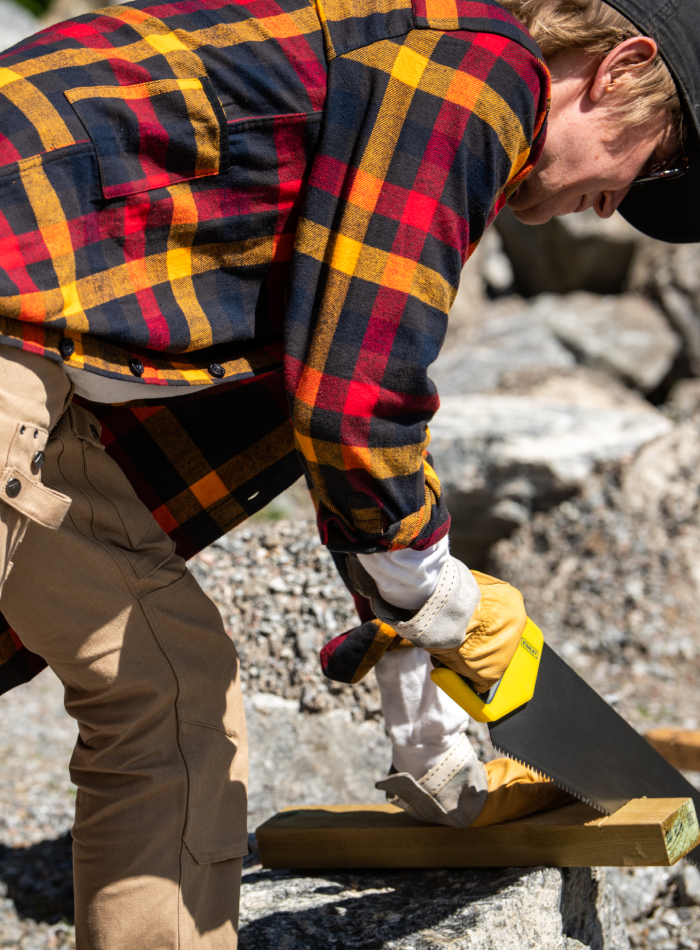
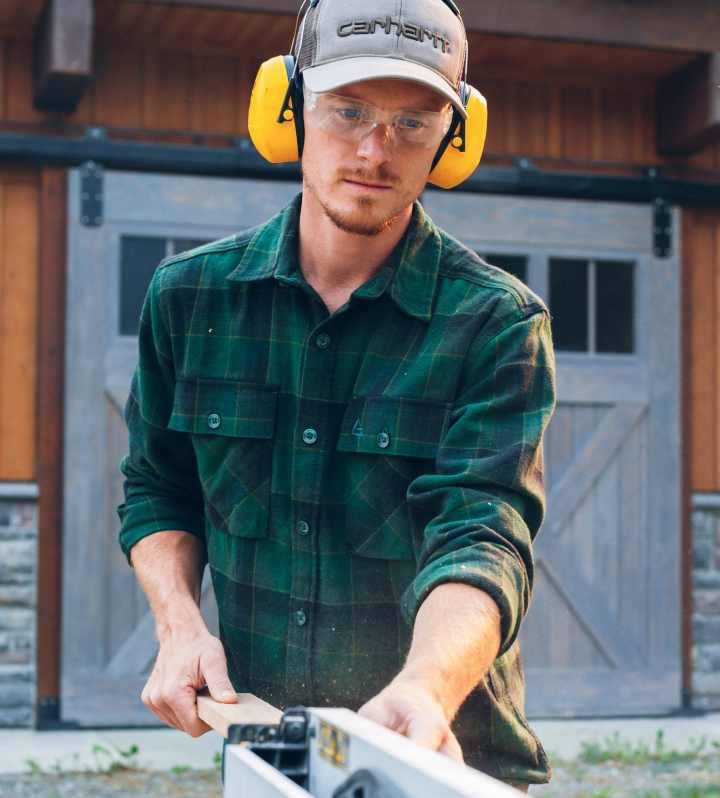
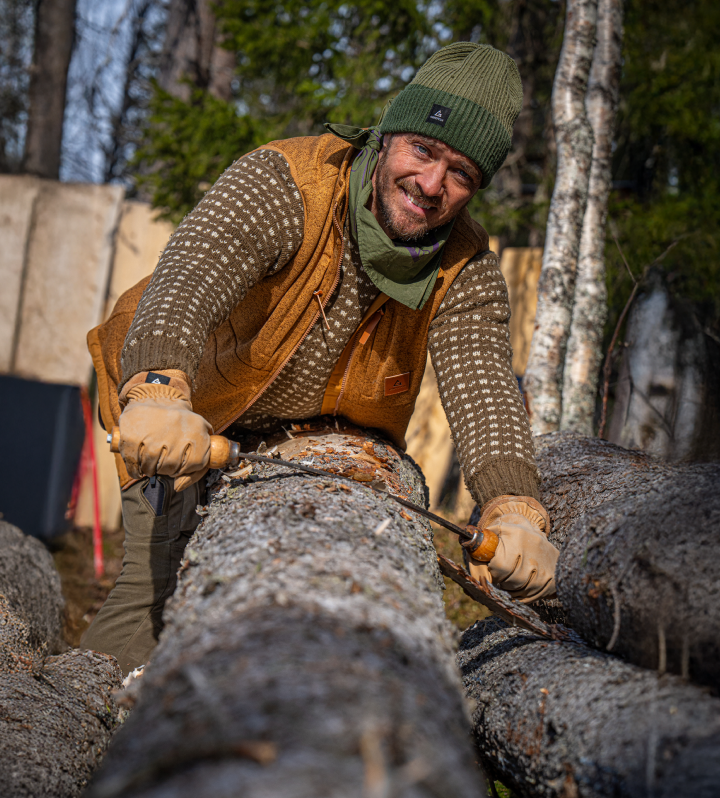
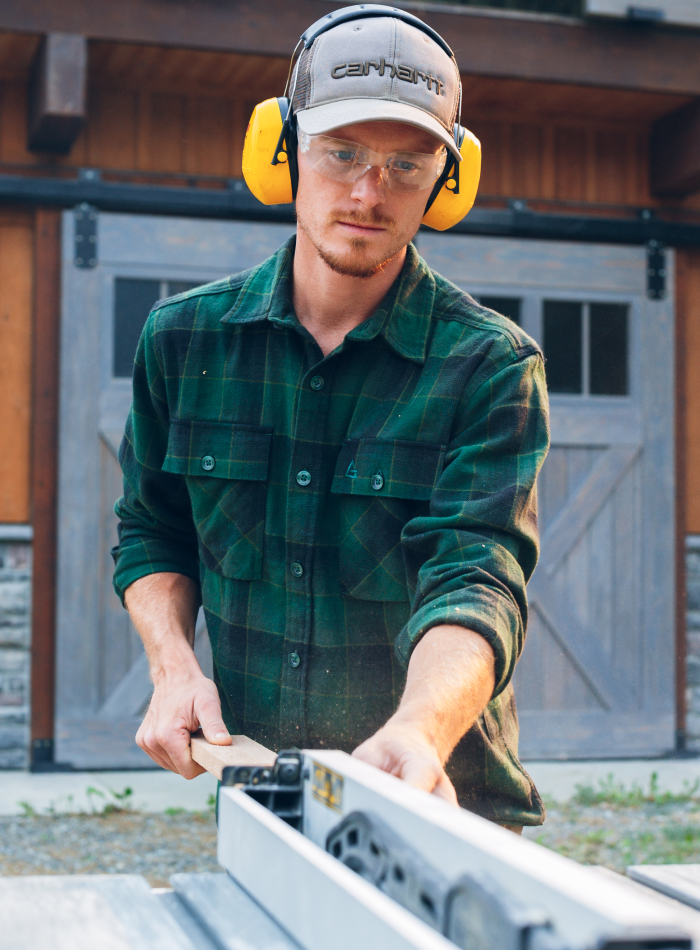
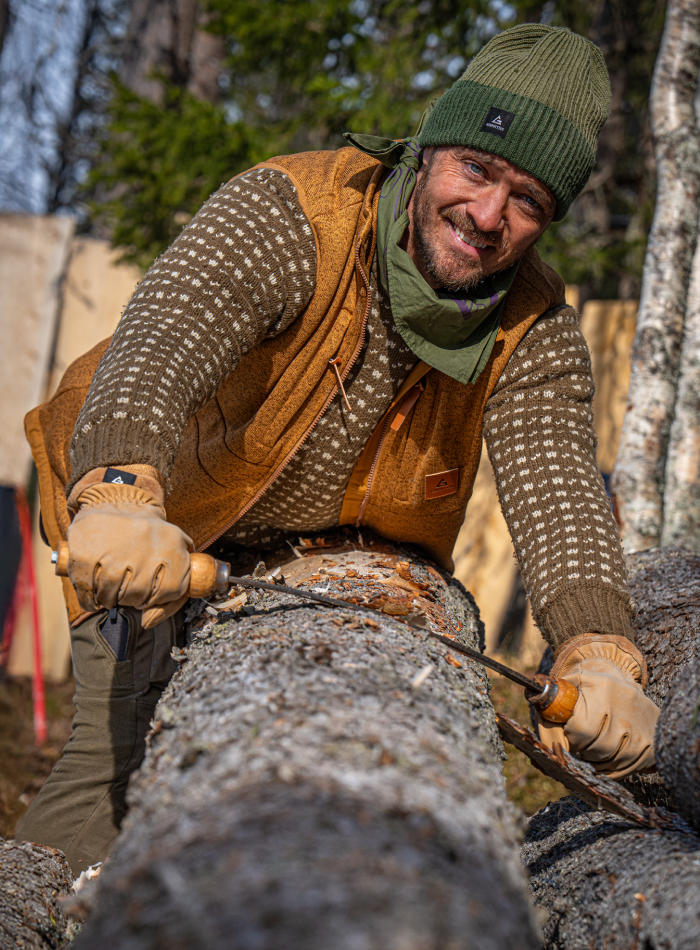
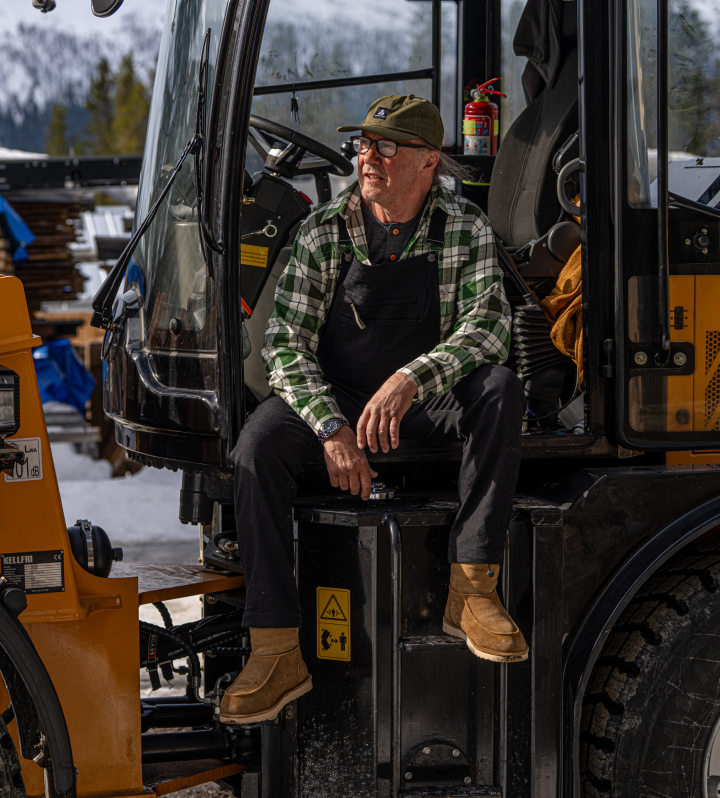
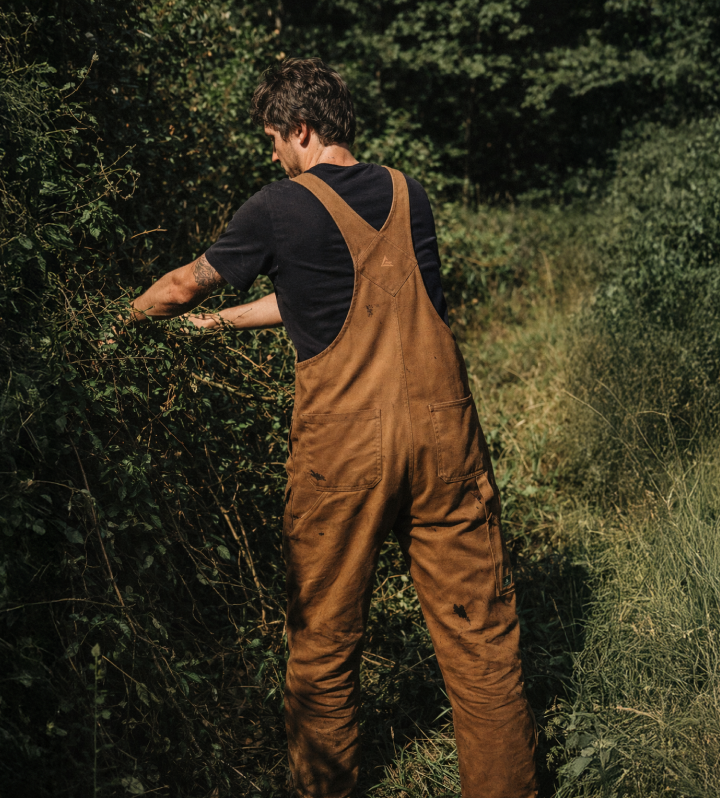
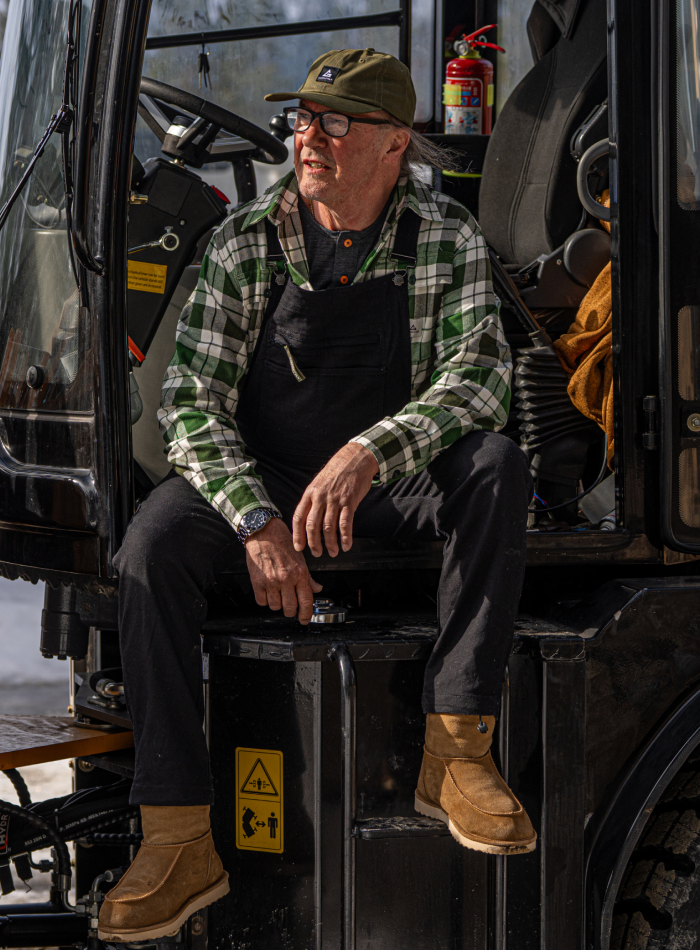
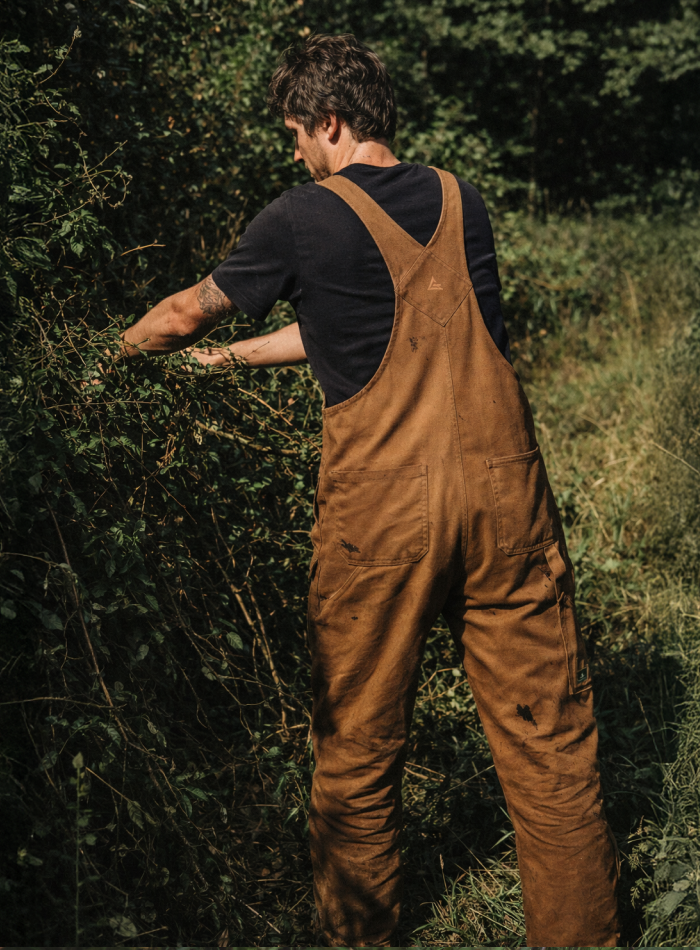
Outdoor workwear combines the durability of traditional work clothing with the comfort, mobility and weather adaptability of outdoor apparel. Learn how to choose the right clothing for gardening, farming, forestry, outdoor projects and everyday life outdoors.
Designed in Sweden
Built for work and life outdoors
Trusted by 8000+ customers
Designed in Sweden
Built for work and life outdoors
Trusted by 8000+ customers
In this guide
What is outdoor workwear?
Why outdoor workwear matters

Outdoor clothing vs workwear
Who is outdoor workwear for?
Key features & how to choose outdoor workwear
Recommended outdoor workwear
Outdoor workwear through the seasons
Common outdoor workwear mistakes
Why Garphyttan designs outdoor workwear
Frequently asked questions
Quick answer
Outdoor workwear combines the durability of traditional work clothing with the comfort and mobility of outdoor apparel.
It is designed for people who regularly work outdoors, spend time in nature or move between physical work and everyday life.
Good outdoor workwear should be:
What is outdoor workwear?
Outdoor workwear is clothing designed for people who regularly work, move and spend time outdoors. It combines durability, comfort and freedom of movement to handle long days in changing environments and weather conditions.
Unlike traditional workwear, outdoor workwear prioritises freedom of movement, layering and versatility, while offering higher durability and functionality than typical outdoor or recreational clothing.
Why outdoor workwear matters
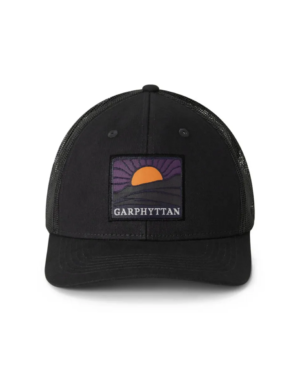
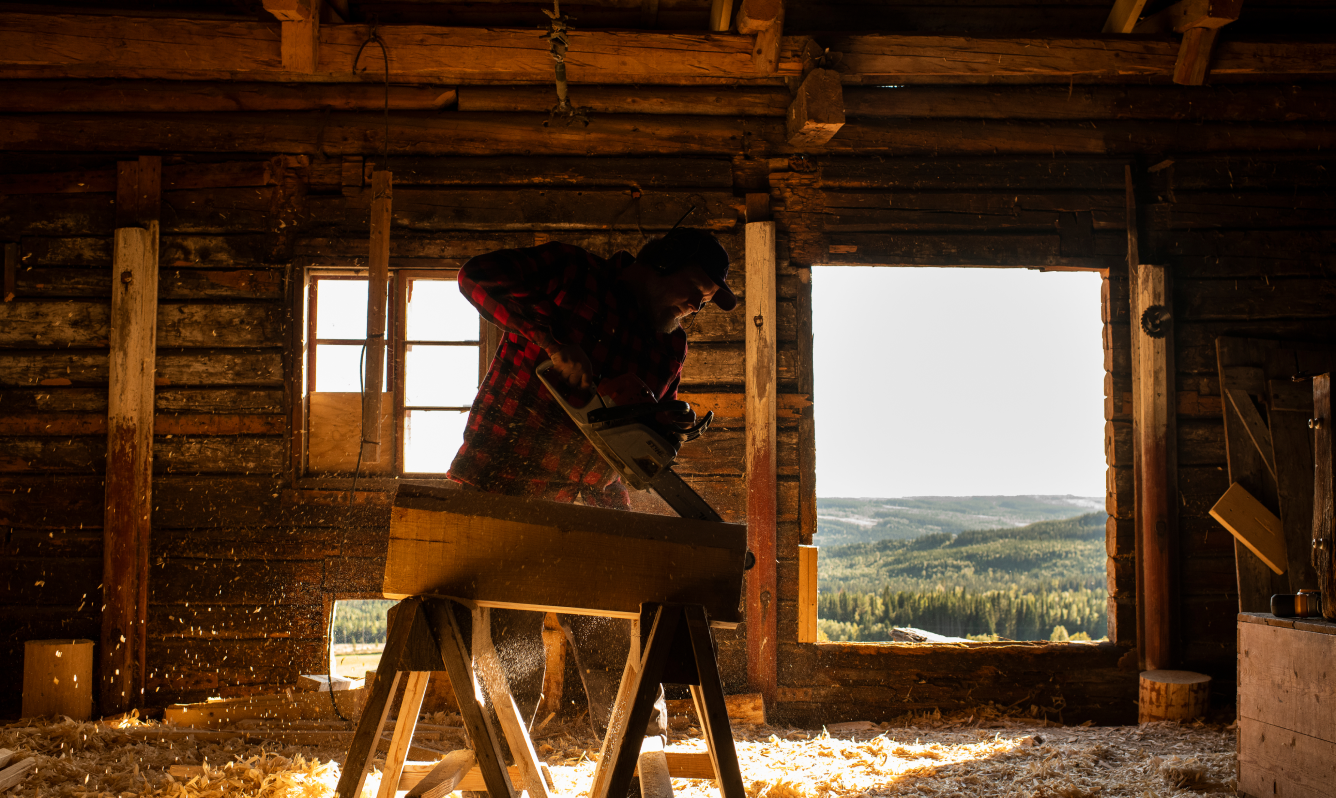
For many people, the line between work and outdoor life is no longer clearly defined. A morning might start with property maintenance, continue with gardening or outdoor projects, and end around a campfire or on a walk through the forest.
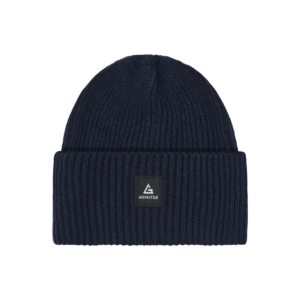
Traditional workwear is often designed for demanding job sites where durability is the primary focus. Outdoor clothing, on the other hand, is typically designed for hiking, recreation and lighter performance.
Whether you’re managing a small farm, cutting firewood, maintaining land or working in the garden, clothing needs to balance durability, comfort and freedom of movement. It must handle physical work while remaining comfortable throughout long days spent outdoors.
This is where outdoor workwear stands apart. By combining the strengths of traditional workwear and outdoor clothing, it offers a more versatile solution for people whose work and outdoor life naturally overlap.
While both outdoor clothing and traditional workwear are designed for specific purposes, many people need clothing that combines the strengths of both. Outdoor workwear bridges the gap by balancing durability, comfort and functionality for demanding outdoor tasks and everyday use.
Outdoor Clothing
Outdoor Workwear
Traditional Workwear
Designed for hiking and recreation
Designed for work and outdoor life
Designed for demanding job sites
Lightweight and packable
Balanced durability and comfort
Maximum durability
Focus on mobility
Mobility and durability
Durability first
Limited storage
Functional pockets and features
Tool-focused storage
Optimized for activity
Adaptable to different tasks
Optimized for specific work environments
Optimized for outdoor activities
Comfortable throughout long days
Often heavier and less versatile
Who is outdoor workwear for?
Outdoor workwear is designed for people who spend time working, maintaining and living outdoors. While specific clothing needs vary between activities, the same principles remain important: durability, comfort, freedom of movement and adaptability to changing conditions.
Gardening
Gardening involves planting, pruning, digging and general property maintenance. Clothing needs to be durable, comfortable and allow freedom of movement throughout long days outdoors.
Lightweight shirts such as the Garden Shirt are well suited for warmer conditions and active outdoor work.
Farming
Farm work includes varied tasks throughout the day in changing conditions. Clothing must be versatile, durable and comfortable for both movement and physical work.
Shirts such as the Farmer Shirt are designed for this type of everyday outdoor work.
Forestry
Forestry work places high demands on durability, protection and comfort. Strong fabrics and reliable construction are essential for long days in the forest.
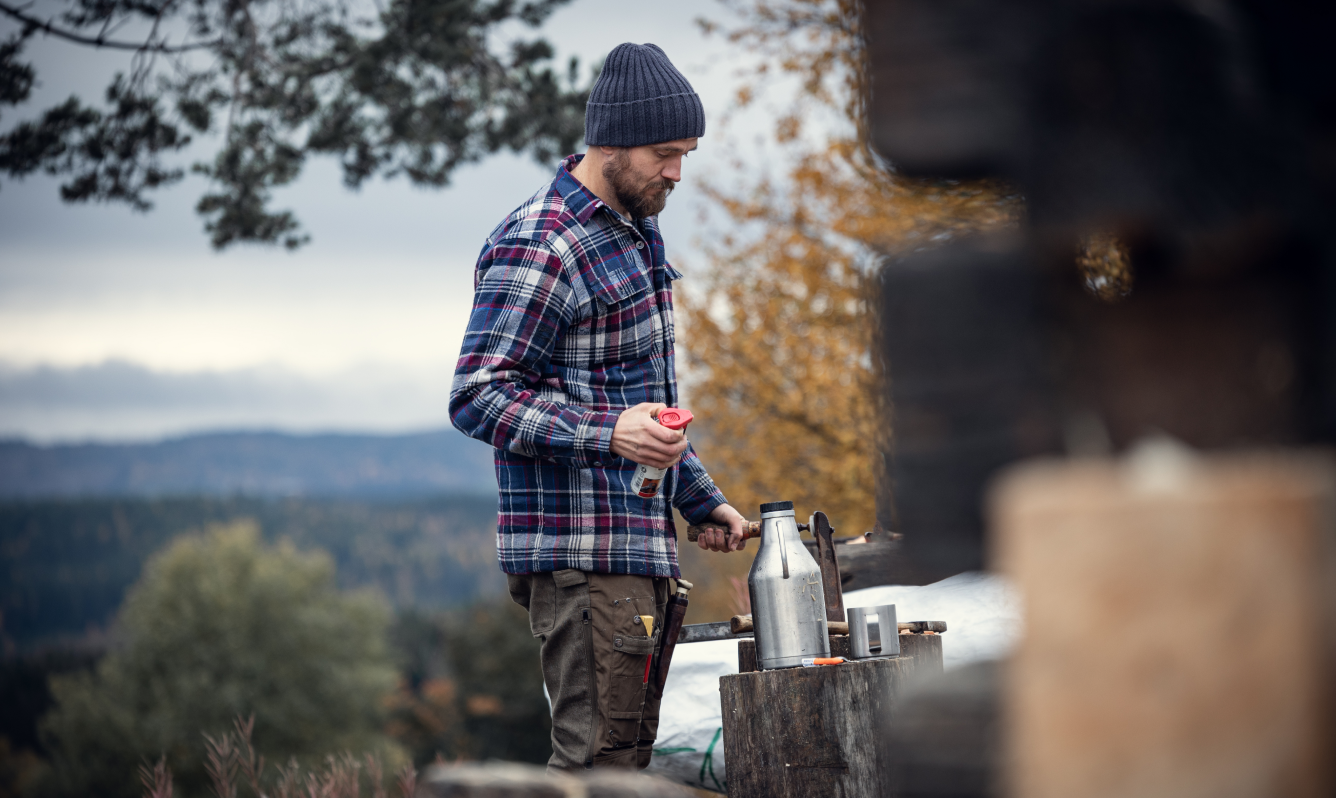
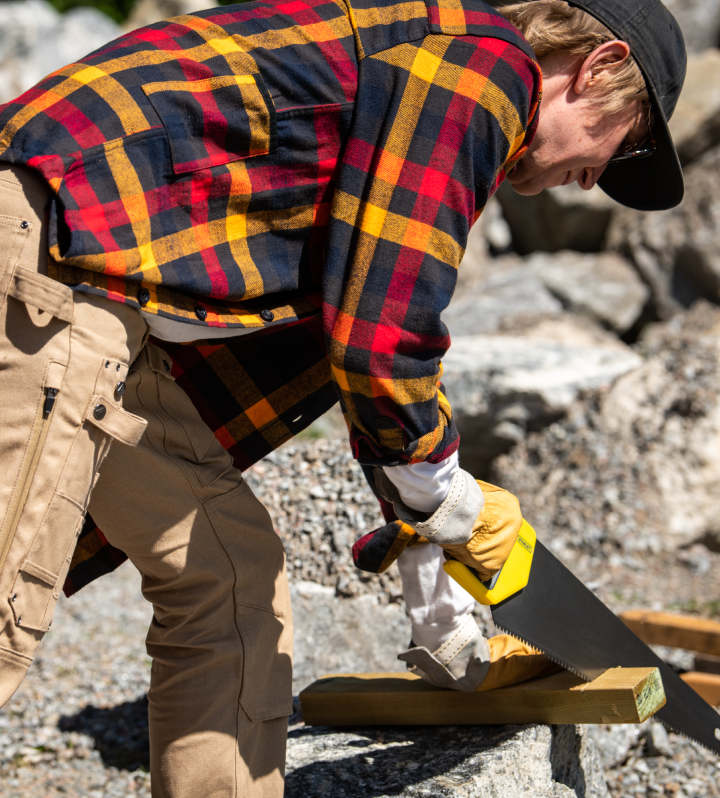
Rugged flannel shirts are often preferred in these environments.
Property Maintenance
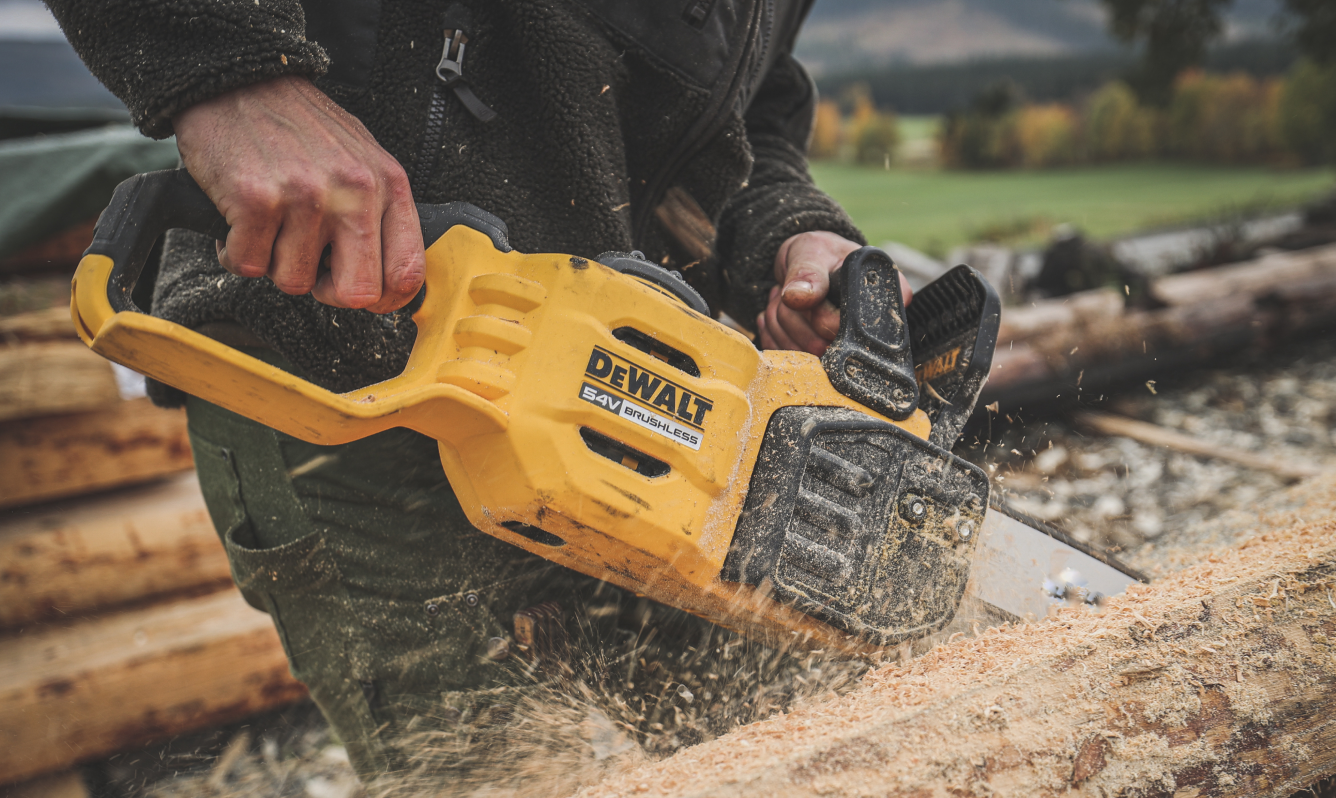
Cutting firewood, clearing land and maintaining buildings require clothing that balances durability and comfort during physical work.
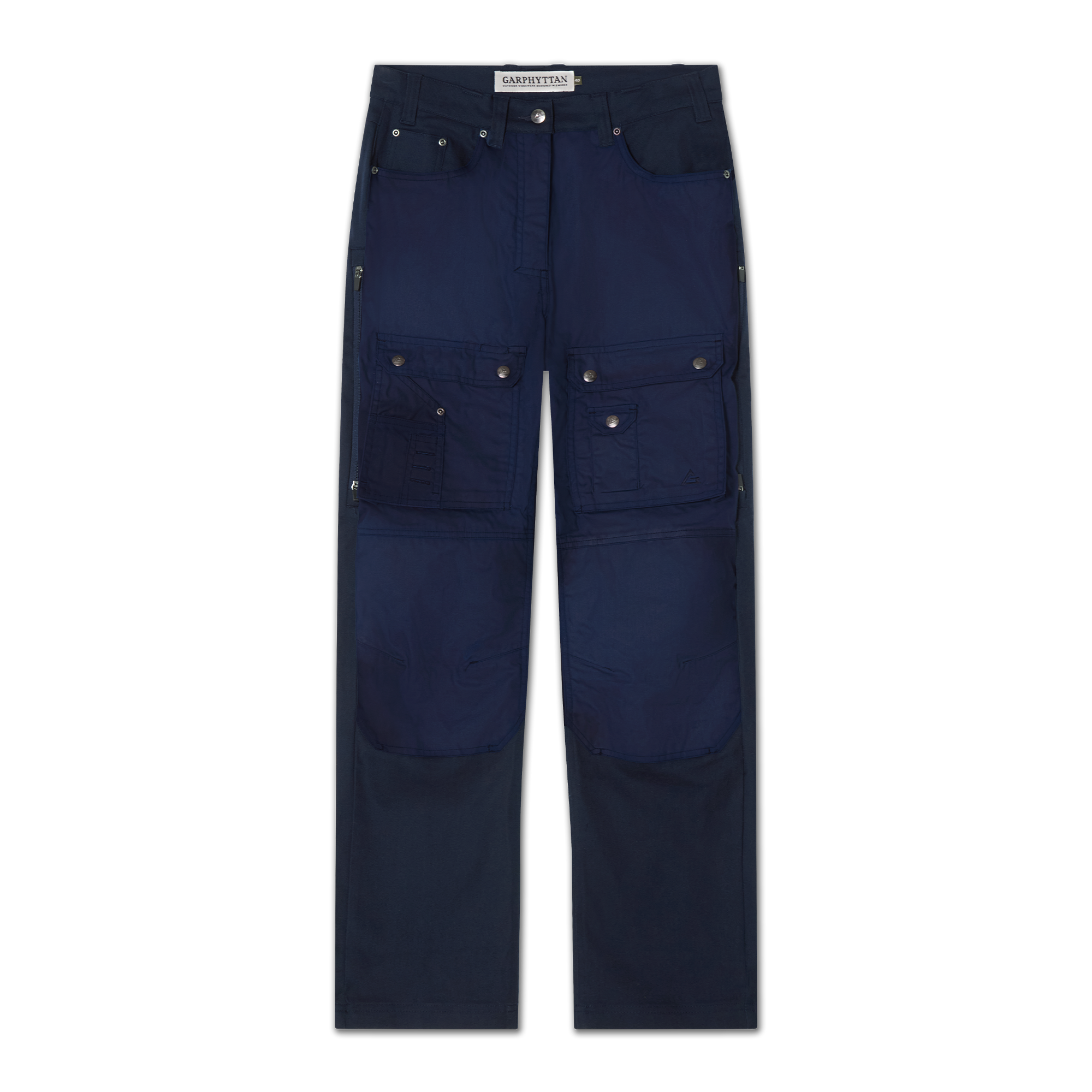
Garments such as the Crafter Trouser II are designed for this type of demanding outdoor use.
Outdoor Projects
Outdoor projects require flexibility and practical functionality. Clothing needs to allow movement while handling tools and materials.
Durable work trousers and versatile overshirts are common choices for this type of work.
Everyday Outdoor Life
For those who move between work and outdoor activities, clothing needs to adapt to changing conditions throughout the year.
A flexible layering system helps maintain comfort across different temperatures and activity levels.
Key features & how to choose outdoor workwear
Outdoor workwear is designed to handle demanding tasks without sacrificing comfort. Certain key features consistently improve performance across gardening, farming, forestry and everyday outdoor life.
Durability: Outdoor workwear should withstand repeated use in demanding environments. Reinforced fabrics, quality construction and durable materials ensure long-lasting performance across seasons.
Freedom of Movement: Work outdoors involves lifting, bending, kneeling and carrying equipment. Stretch fabrics and articulated construction help clothing move naturally with the body.
Practical Storage: Well-designed pockets improve efficiency when carrying tools and essentials. Practical storage keeps items accessible without adding unnecessary bulk.
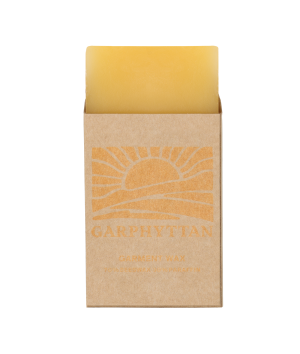
Weather Protection: Outdoor conditions change quickly. Wind, rain and temperature shifts require clothing that can adapt. Many cotton-blend garments can also be treated with wax for improved water resistance.
Layering Compatibility: A proper layering system helps regulate body temperature by balancing insulation and breathability across changing activity levels.
How to choose the right outdoor workwear
Climate: In warmer conditions, lighter and more breathable garments improve comfort and help regulate temperature during active work.
In colder conditions, insulation and weather protection become more important to retain warmth throughout the day.
Activity level: High-activity work requires breathable and flexible clothing to prevent overheating and maintain comfort during movement.
Lower-activity or static work benefits from more insulation and protection against wind and cold.
Type of work: For forestry, property maintenance and other demanding outdoor tasks, reinforced and durable garments are often the best choice.
For everyday outdoor life, versatility and comfort are key.
System thinking: Rather than relying on a single garment, the most effective approach is to build a flexible layering system that adapts throughout the year.
The right choice depends on how and where you work outdoors.
Recommended outdoor workwear
Built for demanding outdoor work, this selection focuses on garments that balance durability, comfort and functionality across real working conditions. Choose based on how and where you work outdoors.
Shirts
Shirts are often the foundation of an outdoor workwear system. Lightweight options work well in warmer conditions, while durable flannel shirts add versatility and comfort throughout the year.
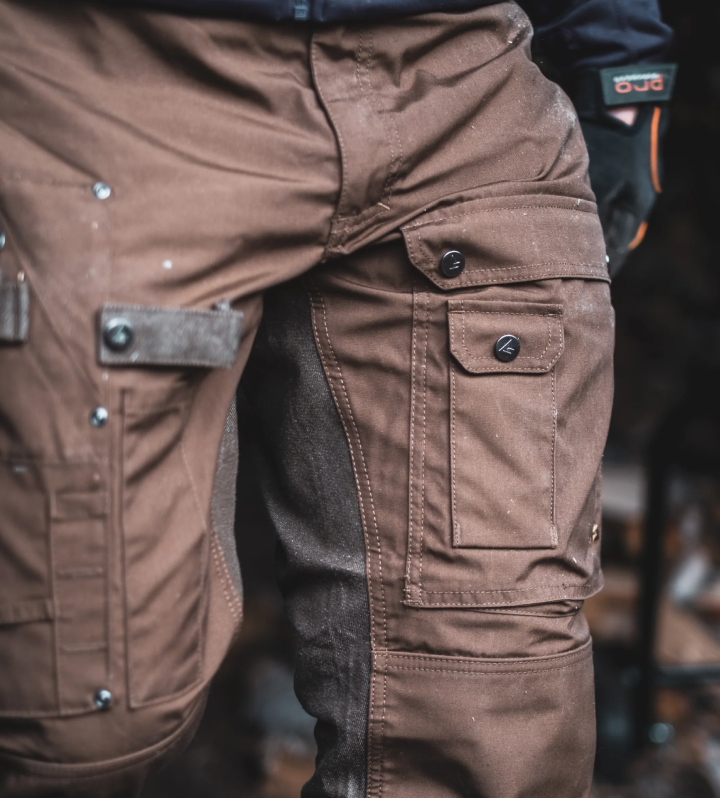
Trousers
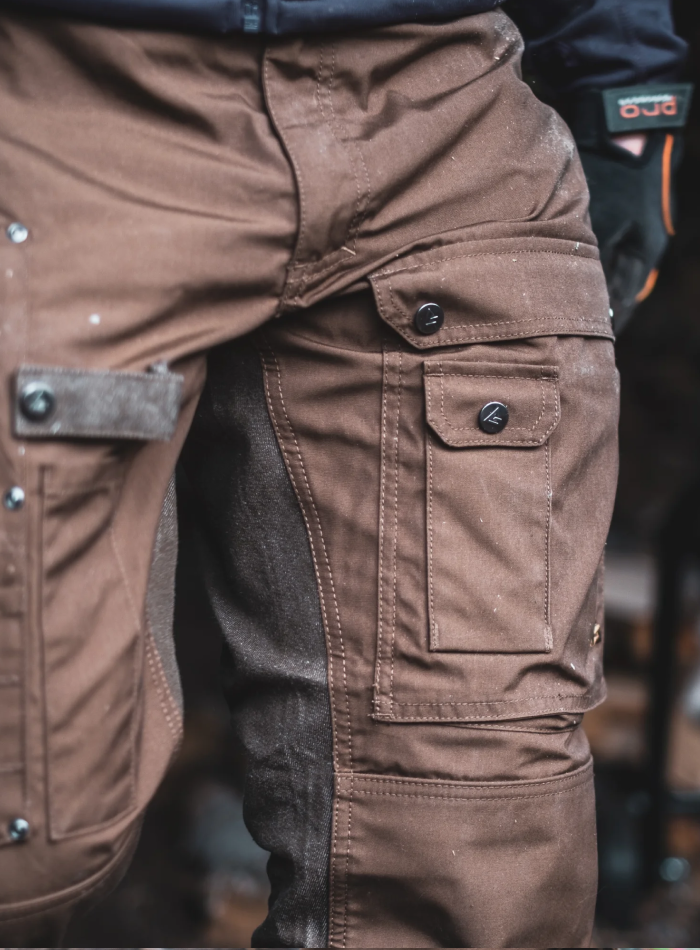
Work trousers are a key part of any outdoor workwear system. They need to balance durability, freedom of movement and practical functionality for long days outdoors.
Tasks like kneeling, lifting, carrying and working in changing weather place high demands on both comfort and strength.
Well-designed trousers make a noticeable difference in performance and comfort throughout the day.
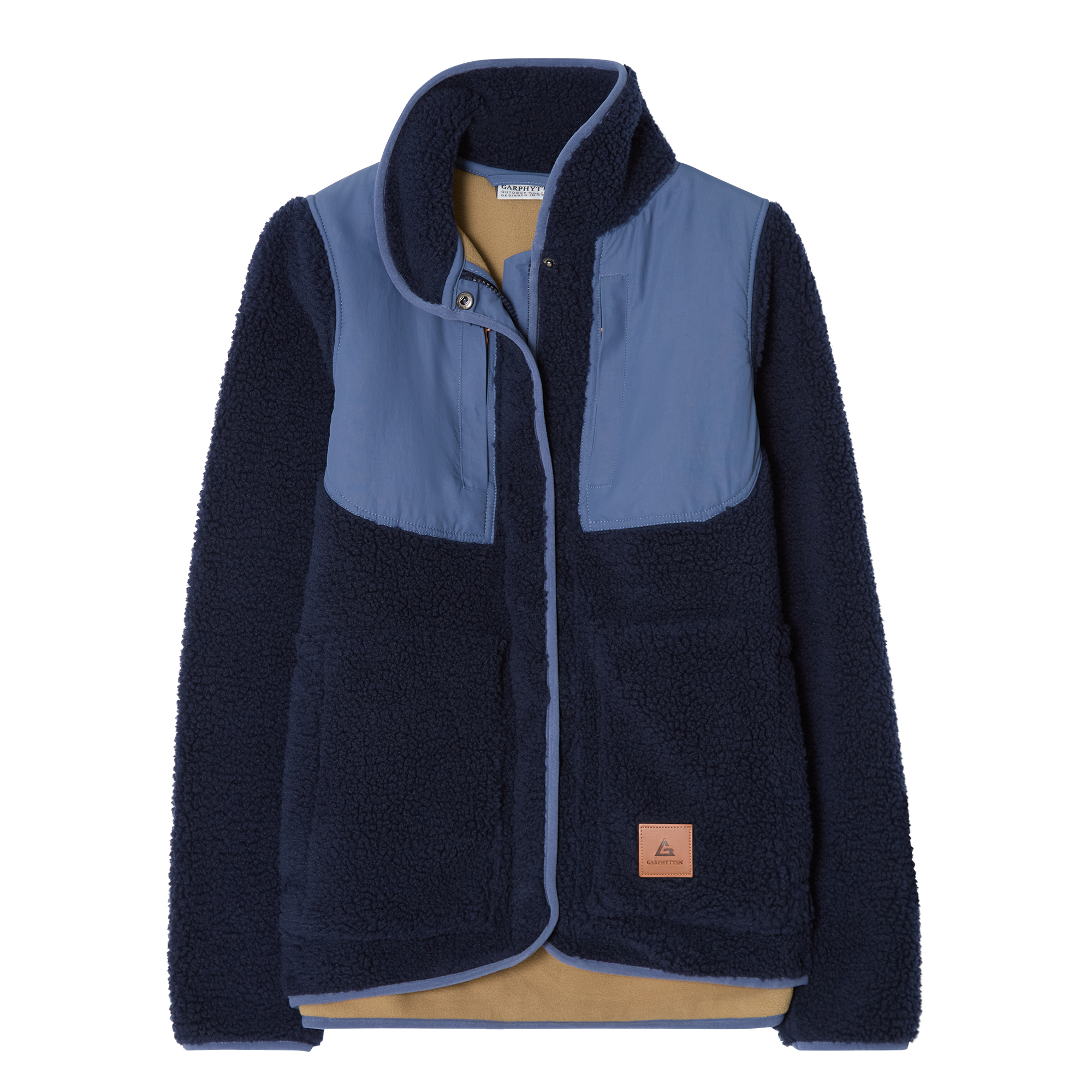
Mid Layers
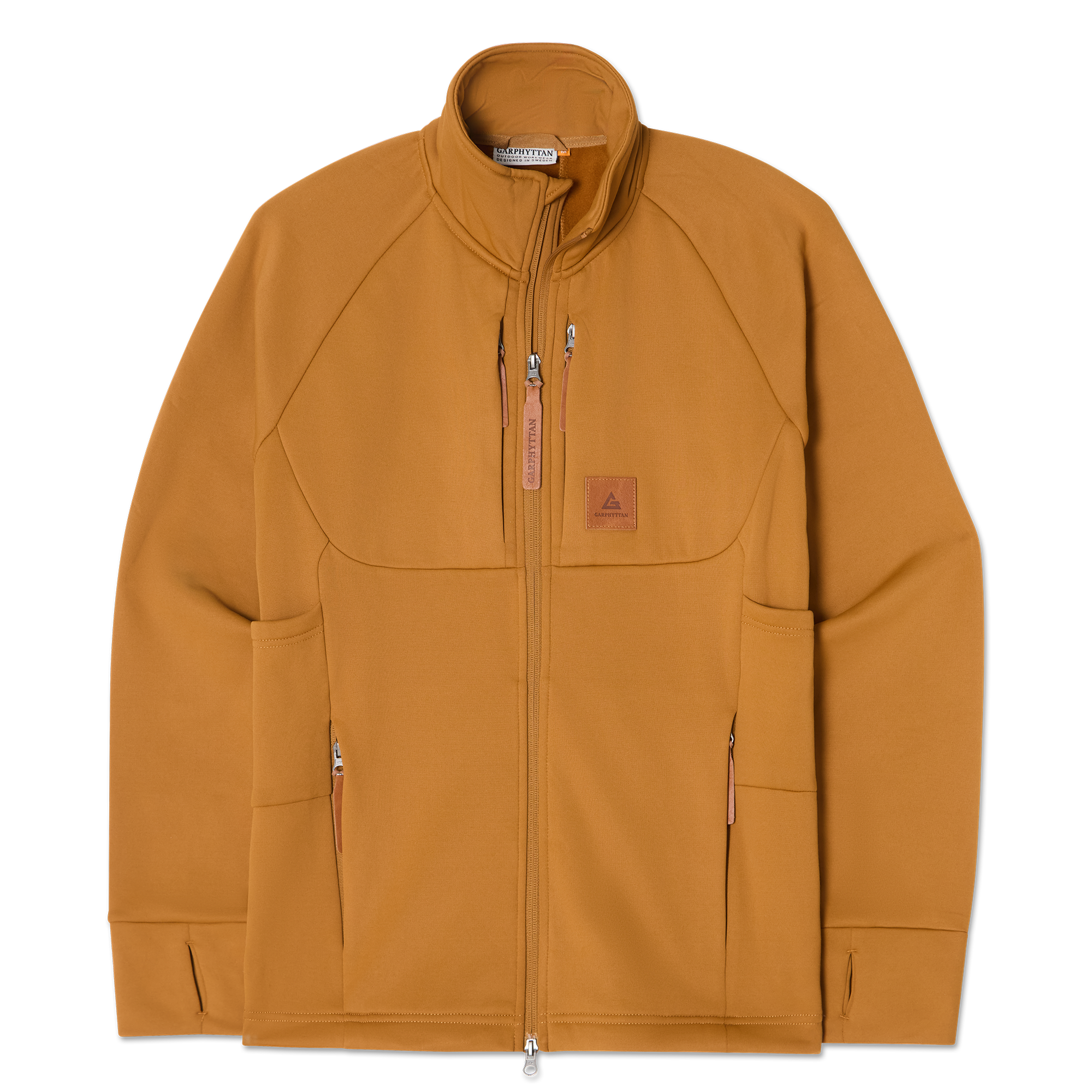
Mid layers play an important role in regulating body temperature as weather and activity levels change throughout the day.
They help retain warmth when needed while still allowing moisture and heat to escape during more active work.
Mid layers can be used on their own in mild conditions or as part of a complete layering system in colder or more demanding environments.
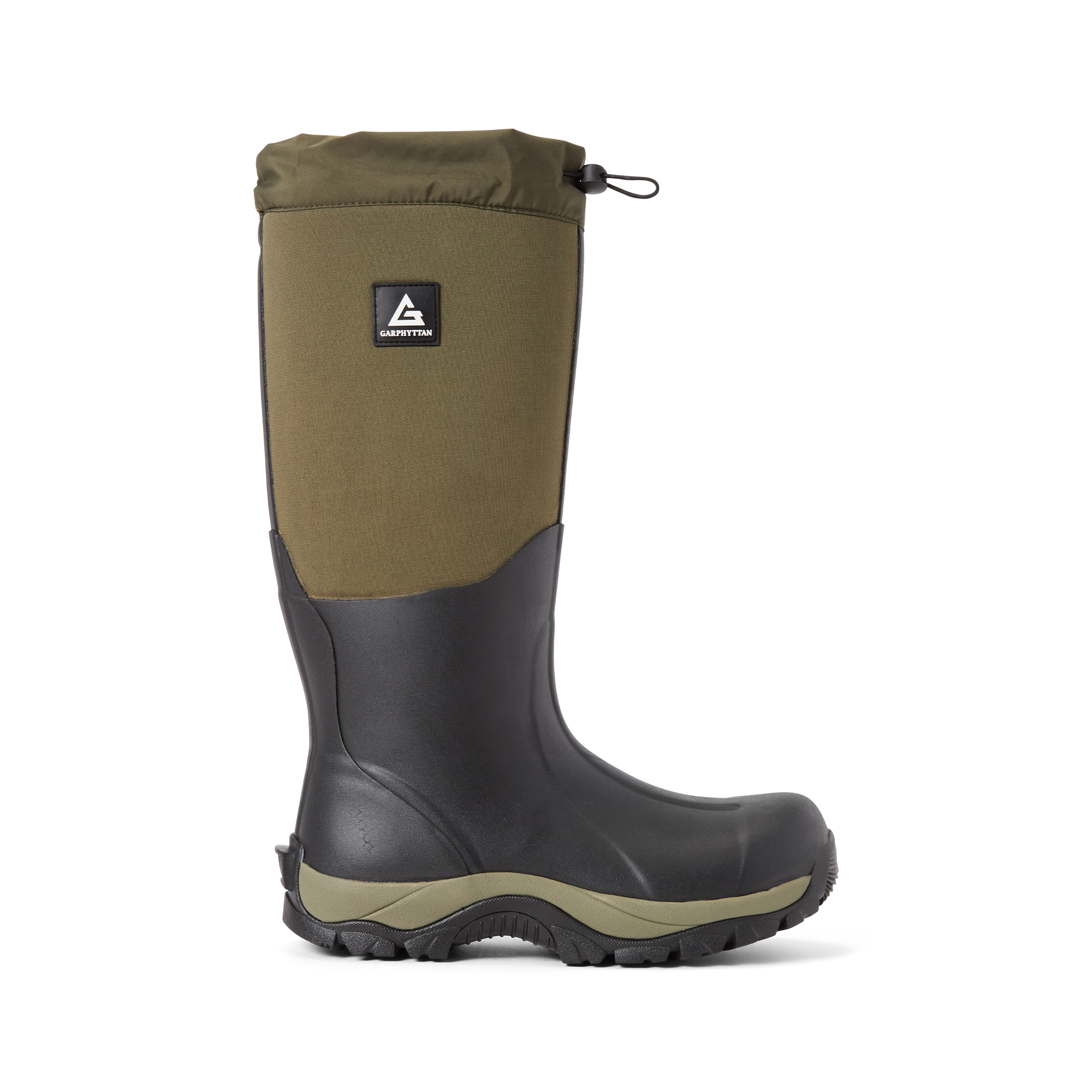
Footwear
Reliable footwear is essential for comfort, support and protection when working outdoors in changing terrain and conditions.
Different seasons and environments place different demands on stability, grip and weather protection, making the right choice an important part of a complete outdoor workwear system.
Good footwear helps you stay stable, protected and comfortable throughout long days outdoors.
Outdoor workwear through the seasons
Different seasons place different demands on outdoor workwear. Building a flexible clothing system helps you stay comfortable throughout the year while adapting to changing weather and activity levels.
Spring
Spring often brings cool mornings, mild afternoons and occasional rain. Layering becomes especially important, as temperatures can change throughout the day. Lightweight shirts, durable work trousers and versatile mid layers are often the foundation of a practical spring outfit.
Summer
In warm conditions, breathability and comfort become the top priorities. Lightweight shirts such as the Garden Shirt and Farmer Shirt help regulate temperature while remaining comfortable during long days spent outdoors.
Autumn
As temperatures drop, layering becomes increasingly important. Durable flannel shirts such as the Carpenter Shirt, insulating mid layers and weather-resistant outerwear help maintain comfort during cooler days and changing weather conditions.
Winter
Winter workwear focuses on insulation, weather protection and moisture management. A proper layering system helps retain warmth while preventing overheating. Insulating mid layers, weather-resistant outerwear and appropriate winter footwear all play an important role during colder months.
Common outdoor workwear mistakes
Even high-quality outdoor clothing can perform poorly if used incorrectly. Avoiding common mistakes improves comfort, durability and performance outdoors.
Only Considering Weather
Many people focus exclusively on temperature when selecting outdoor clothing. Activity level is often just as important. Physical work generates heat, making breathability and moisture management essential even during cooler conditions.
Ignoring Layering
Relying on a single heavy garment often leads to discomfort as conditions change during the day. A flexible layering system allows clothing to adapt to changing temperatures, weather and workloads.
Prioritizing Durability Over Comfort
Durability is important, but clothing that restricts movement or becomes uncomfortable will rarely be worn regularly. The best outdoor workwear balances durability with comfort and freedom of movement.
Wearing the Same Clothing Year-Round
Different seasons place different demands on outdoor clothing. Lightweight shirts and breathable fabrics may perform best during summer, while colder months often require additional insulation and weather protection.
Neglecting Care and Maintenance
Proper care helps outdoor workwear last longer. Regular cleaning and treating suitable garments with wax when needed can help maintain both comfort and durability over time.
Why Garphyttan designs outdoor workwear
At Garphyttan, we believe the line between work and outdoor life is blurred. A day outdoors can involve gardening, property maintenance, forestry work or simply life outside.
This reality inspired us to create clothing that combines traditional workwear durability with outdoor comfort, mobility and versatility.
Rather than designing for a single activity, our goal is to create garments that perform across a wide range of outdoor tasks and conditions. Durable enough for demanding work. Comfortable enough for everyday life outdoors.
This is the foundation of every product we develop.
Frequently asked questions
Outdoor workwear combines the durability of traditional work clothing with the comfort, mobility and versatility of outdoor apparel. It is designed for people who regularly work, move and spend time outdoors.
Traditional workwear is often designed for demanding job sites where durability is the primary focus. Outdoor workwear balances durability with comfort, freedom of movement and adaptability to changing weather conditions.
Yes. Many outdoor workwear garments are designed to provide comfort, durability and practical functionality for gardening, landscaping and general property maintenance.
Yes. By using a flexible layering system, outdoor workwear can be adapted to changing temperatures and weather conditions throughout all seasons.
Outdoor workwear should allow unrestricted movement while providing enough room for layering when needed. A comfortable fit is often more important than a tight or overly loose fit.
The best materials depend on the activity and season. Durable cotton blends, technical fleece fabrics and weather-resistant materials are commonly used to balance comfort, durability and performance.
Many cotton-blend garments can be treated with wax to improve water resistance and help protect the fabric from moisture and wear.
A proper layering system is usually the most effective approach. Base layers, insulating mid layers, weather-resistant outerwear and appropriate winter footwear help maintain comfort in cold conditions.
There is no single answer, but durability, comfort, freedom of movement and adaptability to changing weather conditions are among the most important characteristics.
Ready to Build Your Outdoor Workwear System?
Whether you’re working in the garden, maintaining property, managing a small farm or simply spending more time outdoors, the right clothing helps you stay comfortable, protected and prepared throughout the year.
Explore our collection of outdoor workwear designed for work, outdoor life and everything in between.
We use cookies to enhance your browsing experience, serve personalised ads or content, and analyze our traffic. By clicking “Allow all”, you consent to our use of cookies.