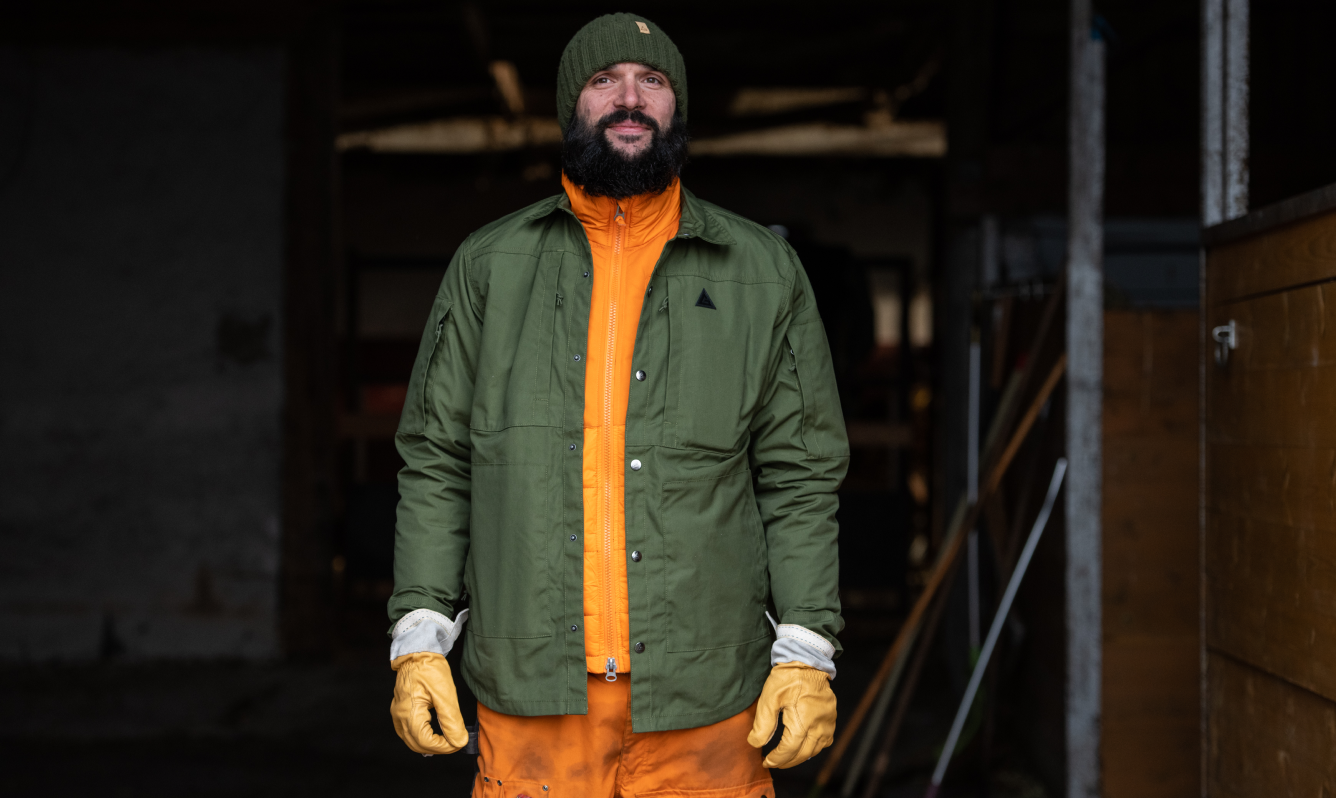
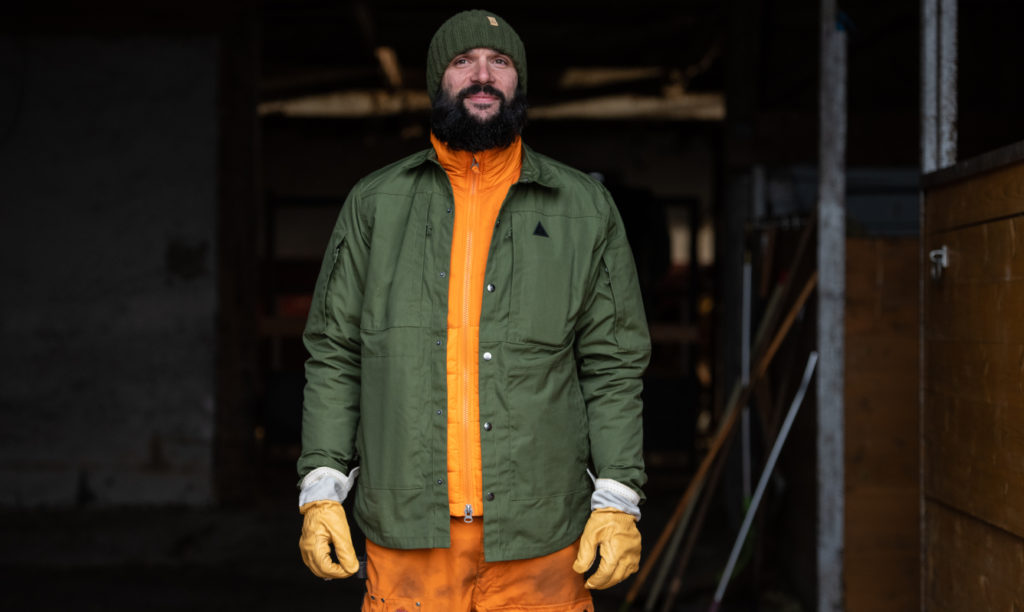
Dressing for the outdoors is not about wearing more clothes. It is about wearing the right layers.
A proper layering system is one of the most effective ways to stay warm, dry, and comfortable in changing conditions. Whether you are working outdoors, hiking, or spending long days outside, understanding how to layer clothing makes a clear difference.
This guide explains how the layering system works and how to choose the right garments for each layer.
Most people dress too warm and end up feeling cold.
The layering system, also known as the three layer system, is a method of combining garments to regulate body temperature and manage moisture.
Each layer has a specific role. Together, they create a flexible clothing system that adapts to activity level and weather conditions.
The system is commonly divided into base layer, mid layer, and outer layer. In colder conditions, a reinforcement layer can be added for extra insulation.
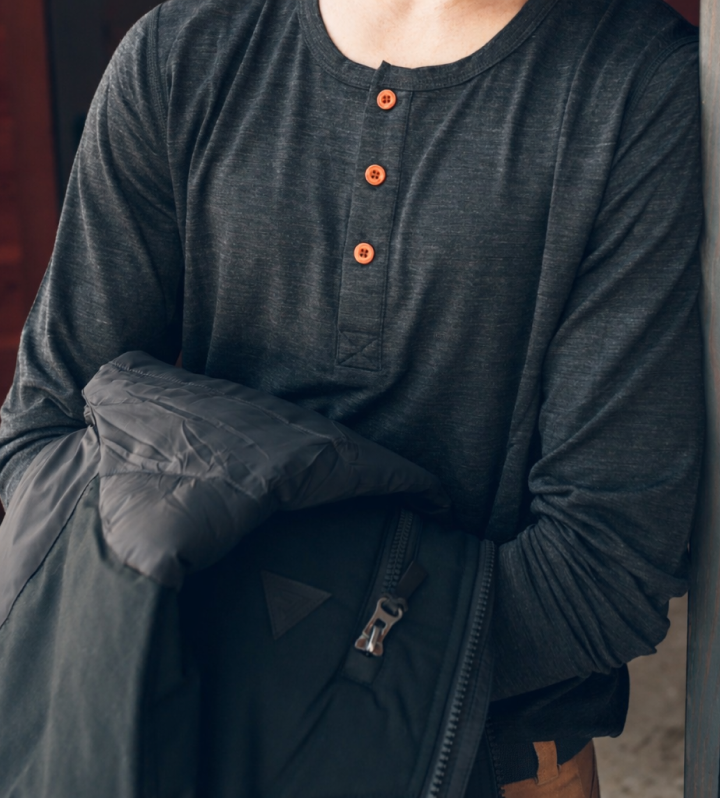
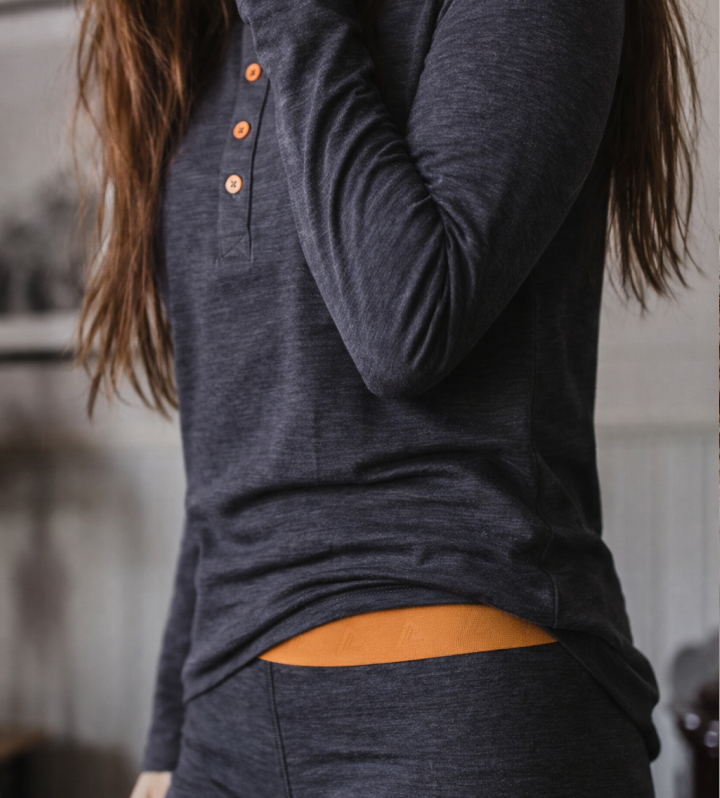
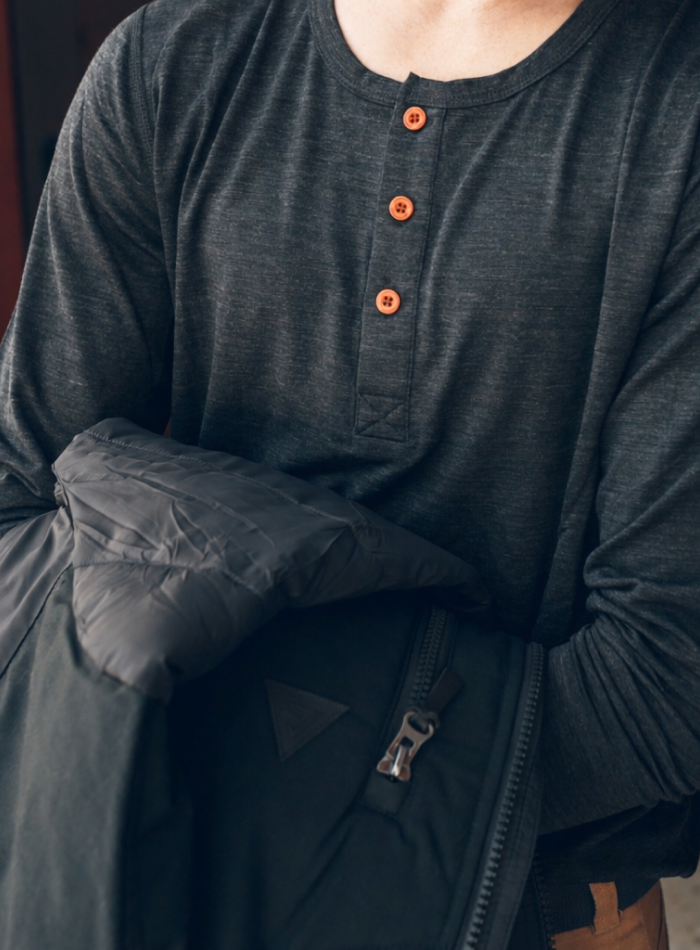
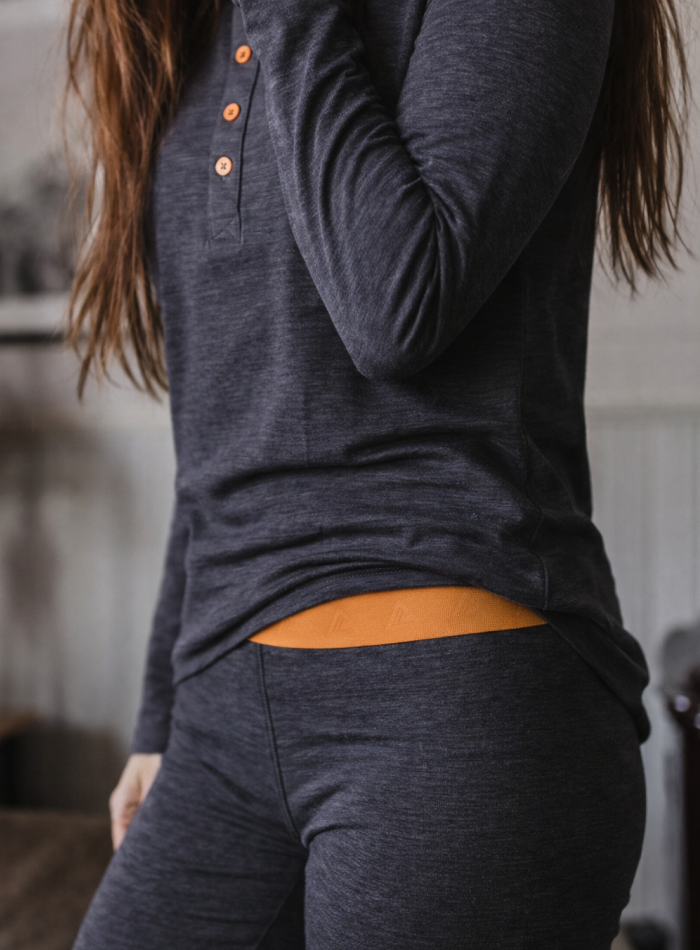
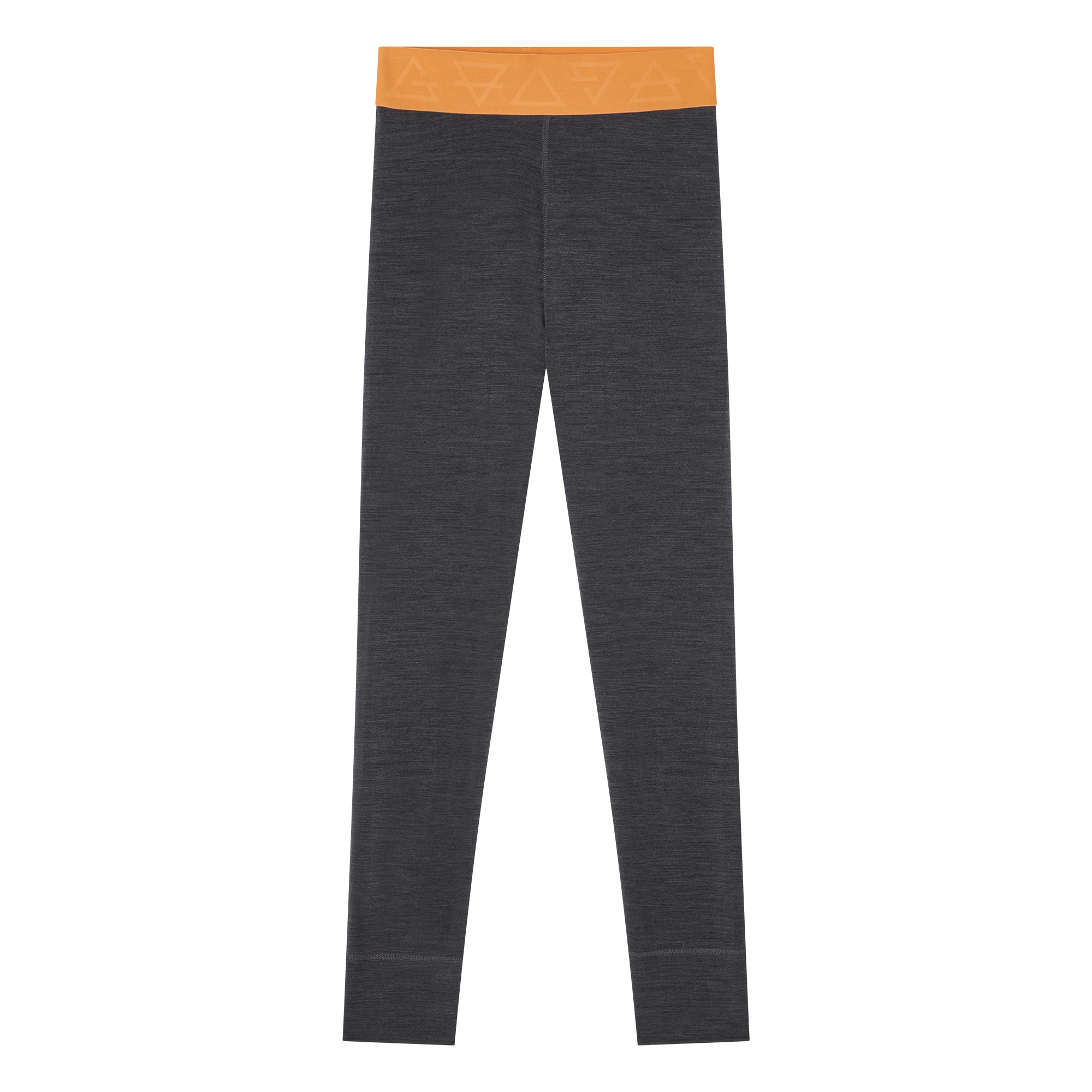
The base layer is worn closest to your skin. Its main function is to transport moisture away from the body while helping regulate temperature.
A good base layer keeps you dry. This is essential for staying warm during both activity and rest.
Merino wool base layers are a popular choice for outdoor clothing. They regulate temperature naturally, insulate even when damp, and resist odor during extended use.
Tips:
Our base layers are designed to keep you dry and regulate body temperature in changing conditions.
Most people don’t get cold from the temperature. They get cold because they are wet.
When your base layer is damp, your body loses heat quickly. Keeping your skin dry is essential to stay warm.
Always bring a dry base layer. It is one of the simplest ways to stay comfortable outdoors.
The mid layer is responsible for insulation. It traps warm air and helps move moisture further away from your body.
This is the layer that often makes the biggest difference in changing conditions. It keeps you warm during breaks, low activity, or when temperatures drop.
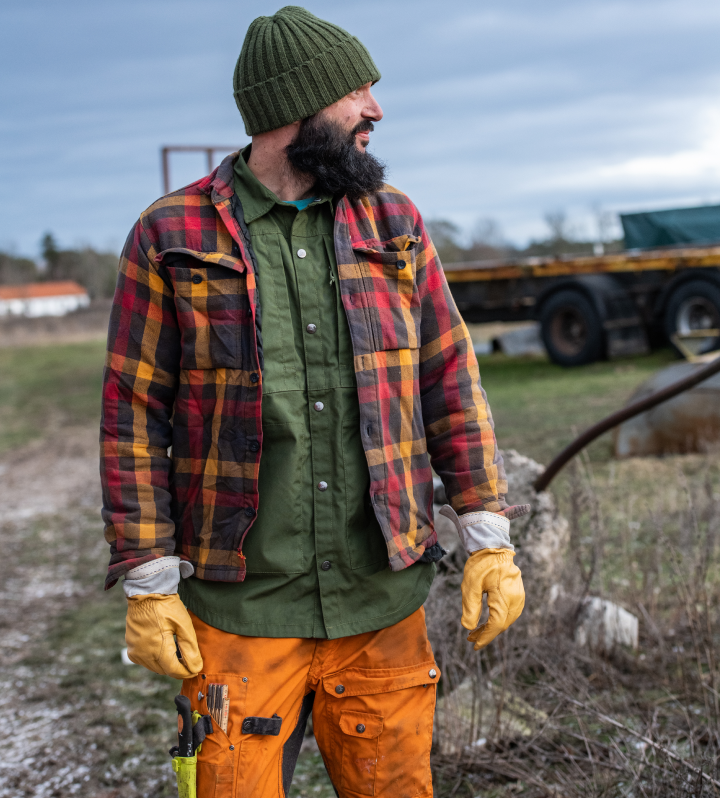
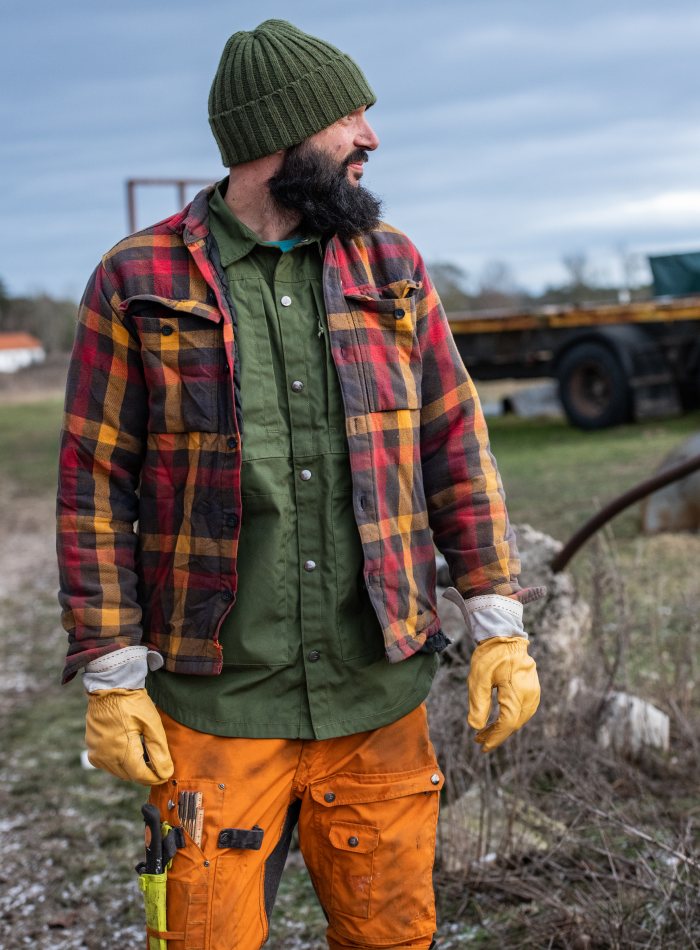
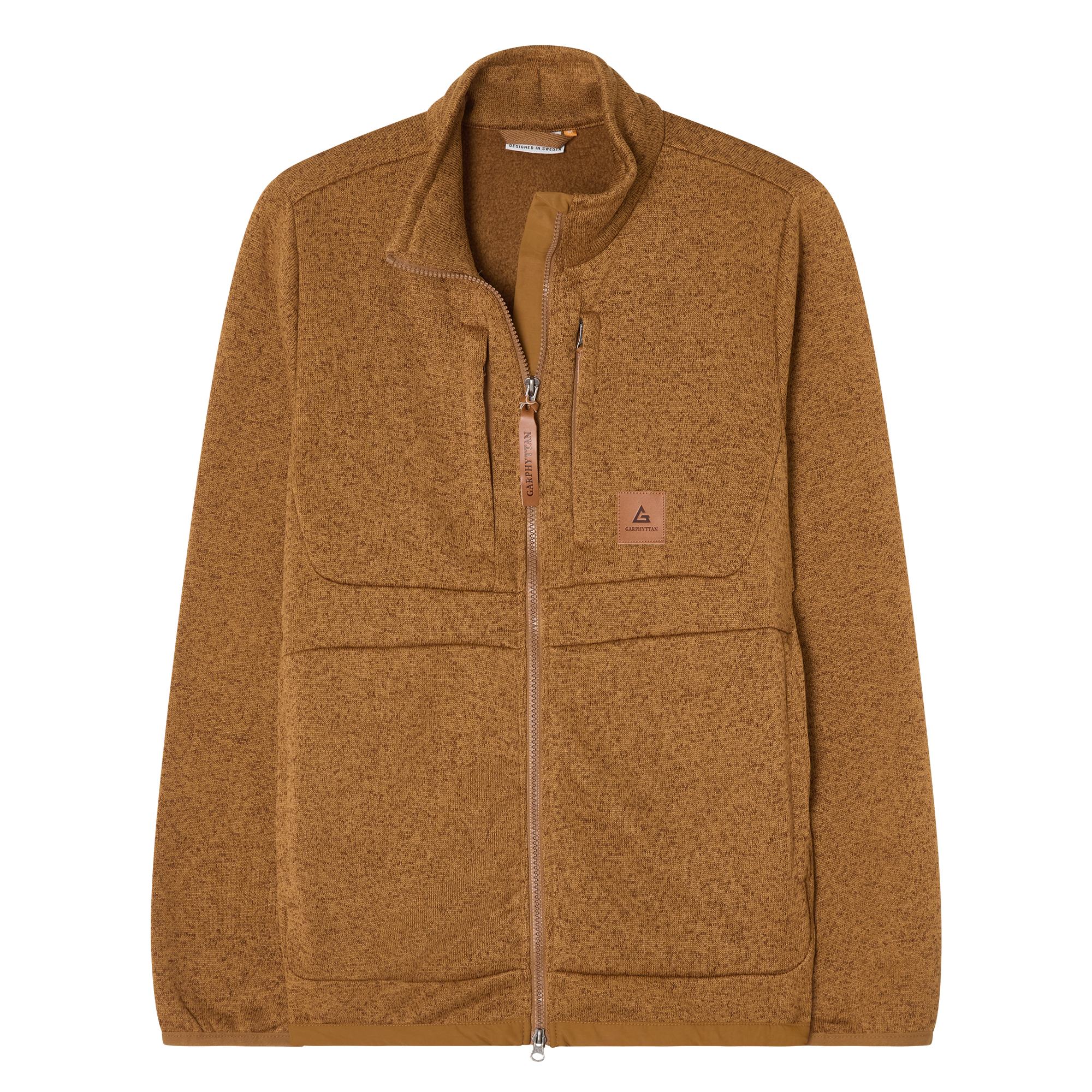
At Garphyttan, we design mid layers such as fleece sweaters, flannel shirts, and insulated overshirts that provide both warmth and mobility.
A fleece mid layer is one of the most versatile options. It is lightweight, dries quickly, and is easy to adjust depending on your activity level.
Cotton flannel offers a more natural feel and works well when combined with a merino wool base layer.
Tips:
Our mid layers are designed to retain warmth while allowing flexibility as conditions and activity levels change.
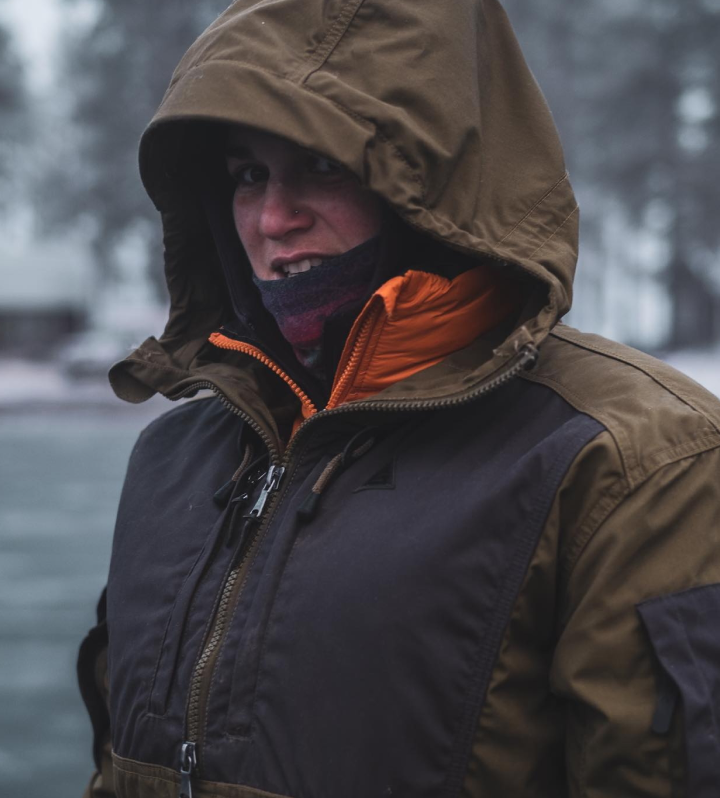
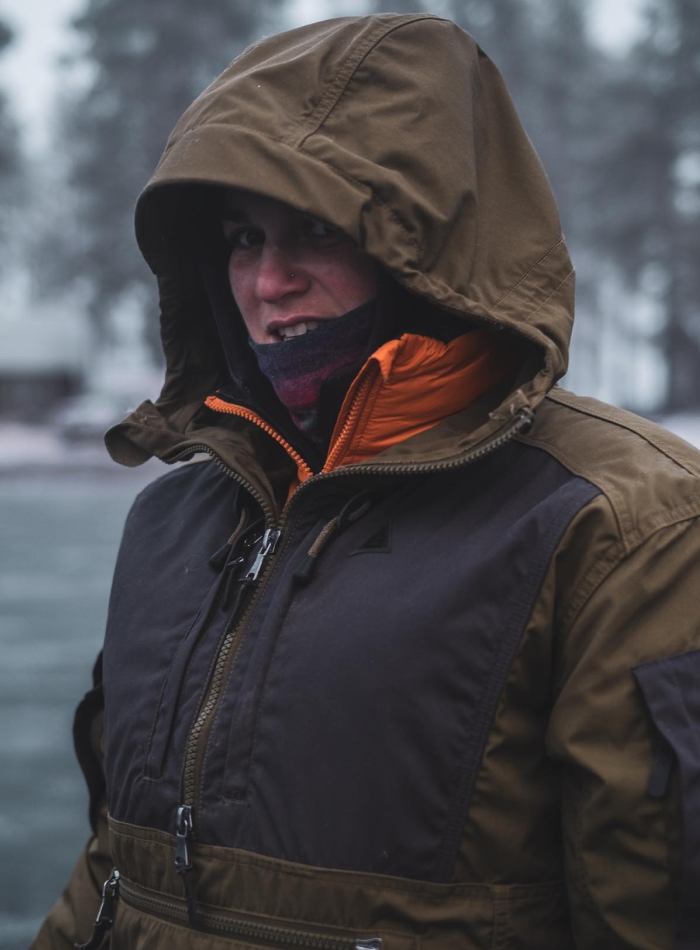
The outer layer protects you from external conditions such as wind, rain, and rough terrain.
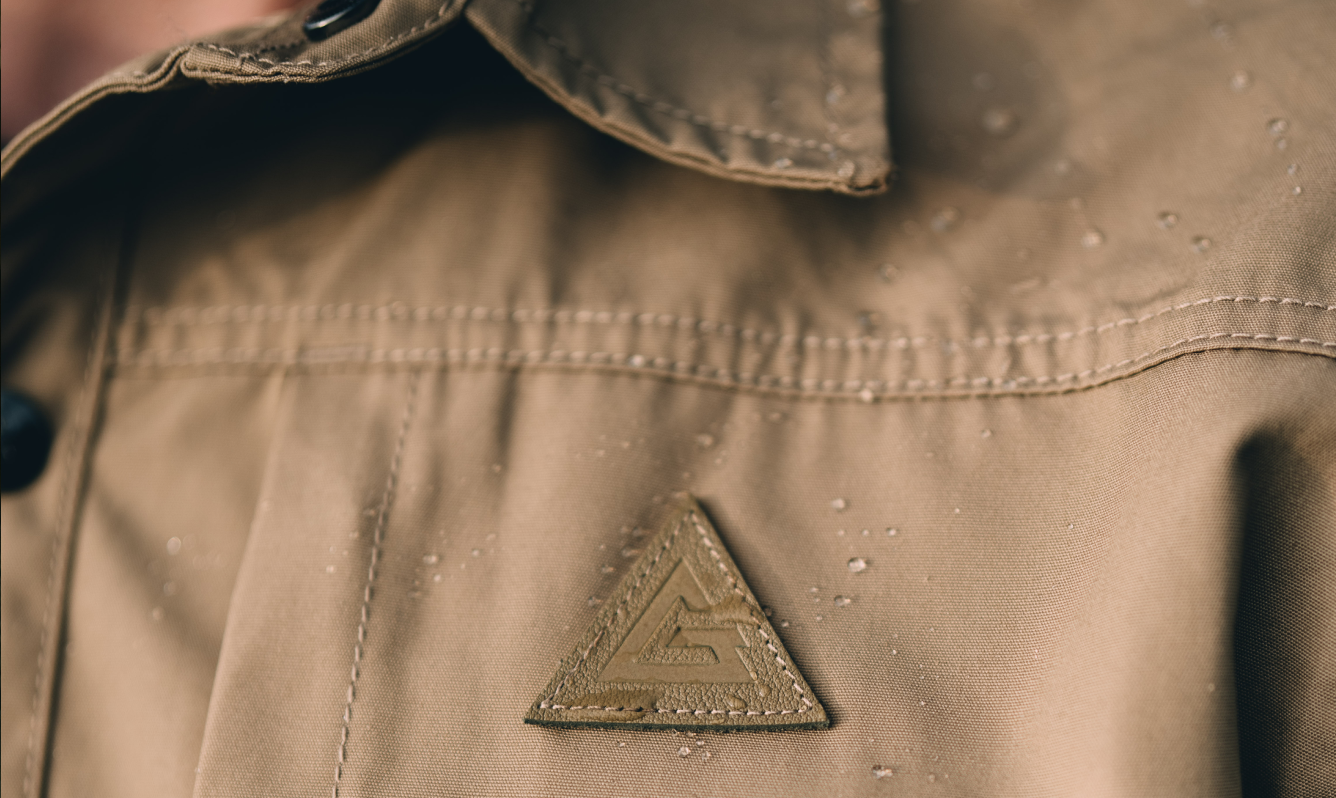
It should be durable, windproof, and water-repellent, while still allowing excess heat and moisture to escape.
Our outerwear and shell garments are made from cotton and polyester blends that balance comfort, strength, and protection.
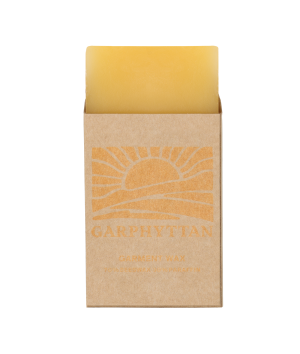
Many of our outer layers can be treated with Garphyttan Garment Wax to improve water repellency and extend product lifespan. To learn how to apply wax properly, see our waxing guide.
Tips:
Our outerwear is designed to protect against wind and rain while allowing excess heat and moisture to escape.
When your activity level drops, your body loses heat quickly.
A reinforcement layer provides additional insulation during breaks, cold evenings, or low-intensity work.
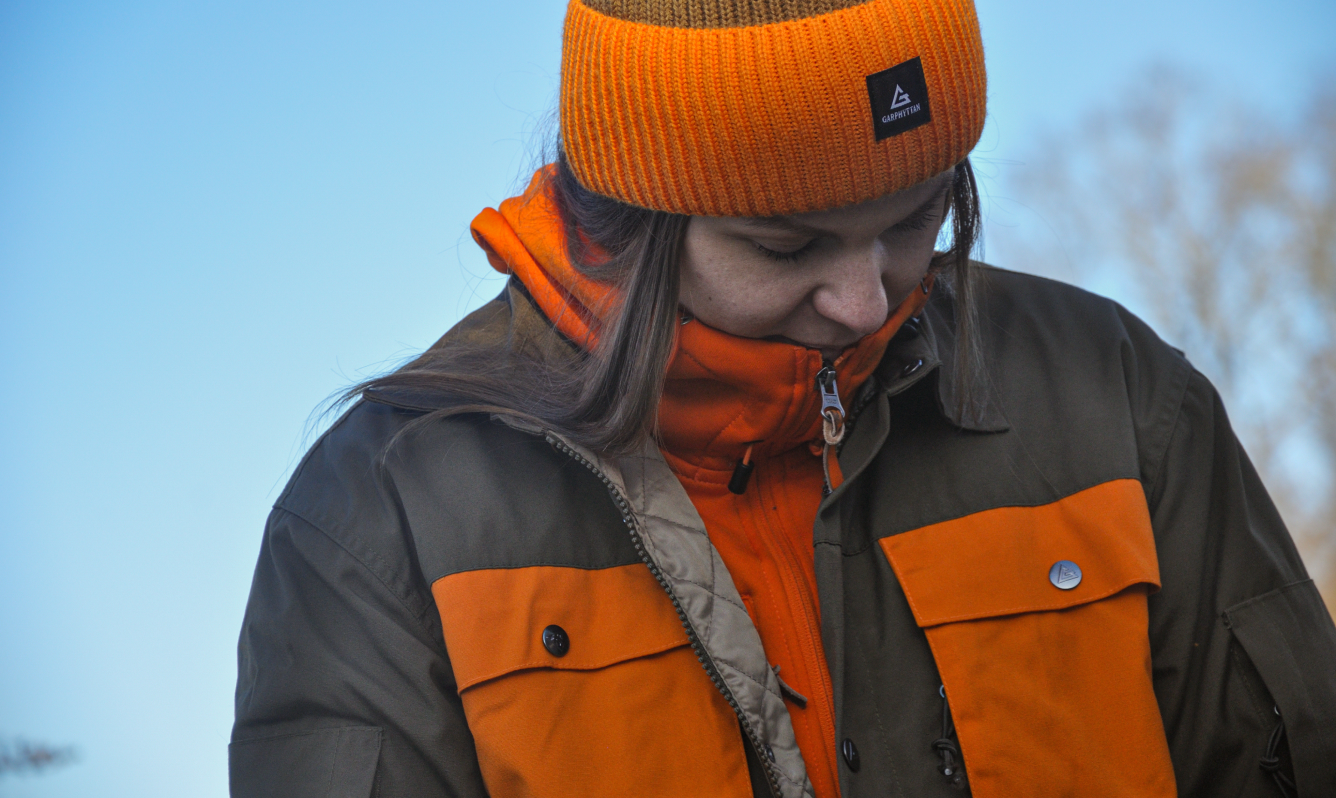
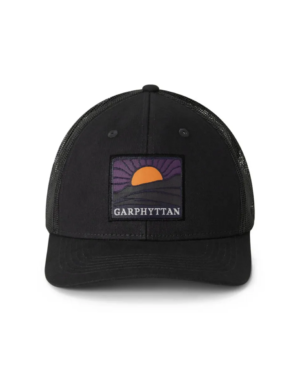
This can include padded jackets, insulated vests, or accessories such as hats and gloves.
Adding a reinforcement layer helps you stay comfortable for longer periods in colder conditions.
Air is your best insulation. To trap warm air effectively, your layers should not be too tight or too loose.
If layers are too tight, insulation is reduced. If they are too loose, you lose efficiency and create unnecessary bulk.
Aim for a balanced fit that allows freedom of movement while maintaining insulation between layers.
Different conditions require different layering strategies.
For active work or hiking:
Use lighter, breathable layers and focus on ventilation.
For cold, still weather:
Add insulation and reduce airflow to retain heat.
For changing conditions:
Choose flexible layers that are easy to adjust throughout the day.
The three layer system consists of base layer, mid layer, and outer layer. Each layer works together to regulate temperature and manage moisture.
No. Depending on weather and activity, you may not need every layer. In milder conditions, a base layer and outer layer can be enough.
Merino wool, polyester fleece, and durable cotton blends are reliable choices for warmth, breathability, and durability.
Each layer should allow space for insulation while still providing a comfortable fit that supports movement.
At Garphyttan, we design durable and functional outdoor clothing built for real conditions.
From base layers that keep you dry, to mid layers that provide insulation, and outerwear that protects you from the elements.
Each piece is designed to work together as part of your layering system.
The right system is not about wearing more. It is about wearing smarter.
Related guides:
How to Wax Your Outdoor Clothes
Step-by-step guide to improve water repellency and extend garment lifespan.
How to Care for Outdoor Clothing
Simple ways to extend the life of your outdoor clothing.
Why Choose Wool and Knitted Garments
The benefits of natural materials for warmth, breathability, and durability.
Clothing for Life Outdoors
Our philosophy on designing durable clothing for work and outdoor life.
We use cookies to enhance your browsing experience, serve personalised ads or content, and analyze our traffic. By clicking “Allow all”, you consent to our use of cookies.