Summer Sale: Save up to 50% →

The Ultimate Outdoor Clothing Guide

The Ultimate Outdoor Clothing Guide

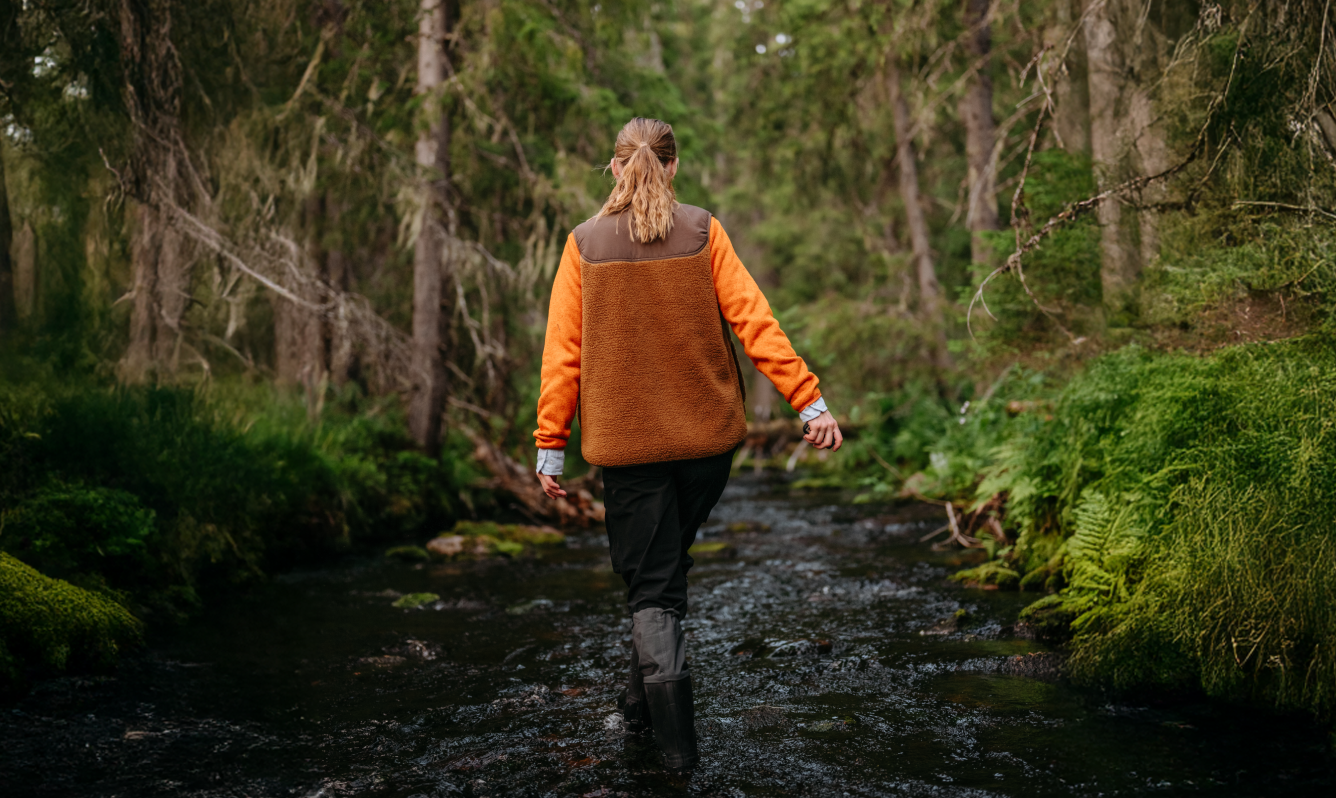
The right outdoor clothing helps you move freely, stay comfortable and spend more time outdoors, whatever the season. Learn how to choose the right outdoor clothing, understand which materials perform best and build a versatile outdoor wardrobe for hiking, camping, gardening and everyday life outdoors.

image 630
mountain (1) 1
star 3 (1)

Designed in Sweden

Built for life outdoors

Trusted by 8000+ customers

image 630
mountain (1) 1
star 3 (1)

Designed in Sweden

Built for life outdoors

Trusted by 8000+ customers

In this guide

Quick answer​

Outdoor clothing is designed to keep you comfortable, protected and free to move when spending time outdoors. It combines functional materials, weather protection and freedom of movement to perform across different activities, seasons and weather conditions. A versatile outdoor wardrobe typically includes breathable layers, durable trousers, insulating mid layers and protective outer layers.

What Is Outdoor Clothing?

Outdoor clothing is designed to provide comfort, protection and freedom of movement in outdoor environments. Unlike everyday clothing, it’s made to perform in changing weather, over uneven terrain and across a wide range of activities.

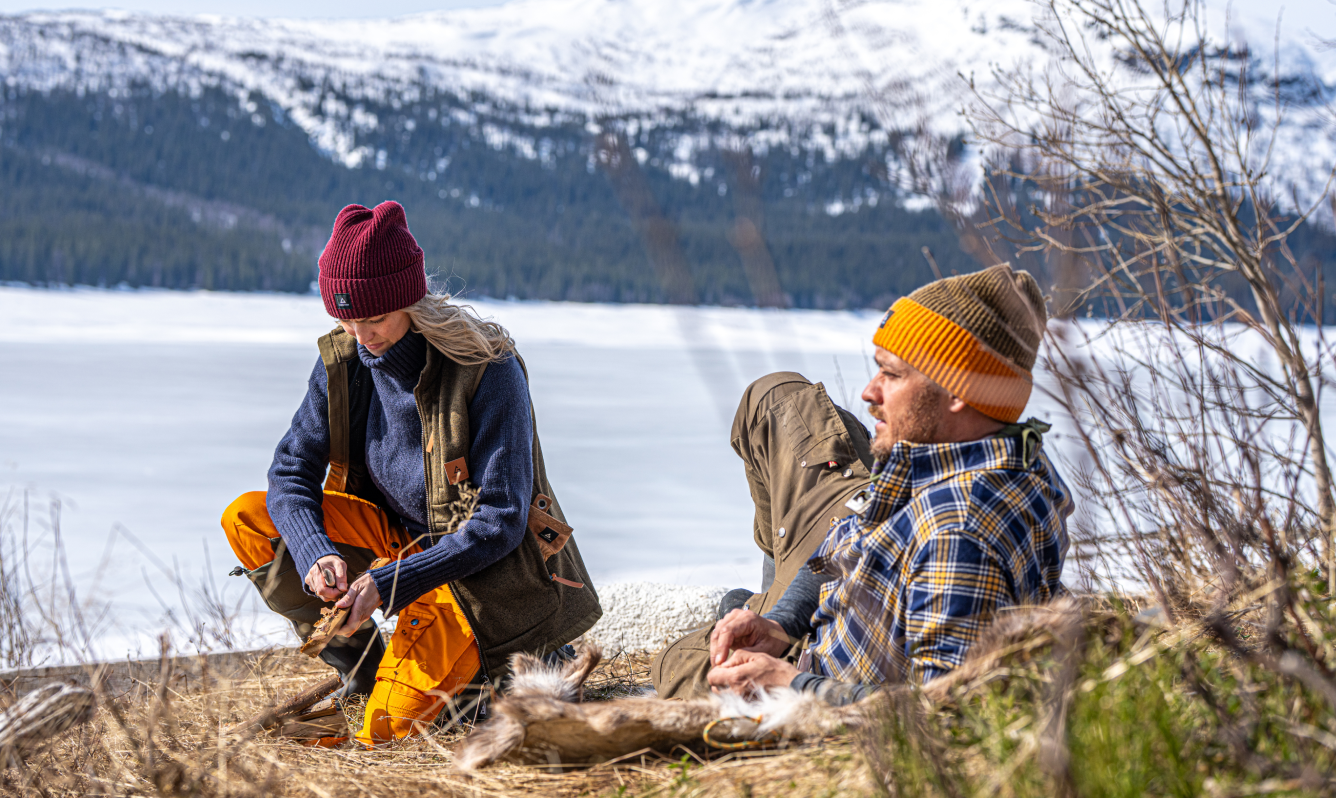
Whether you’re hiking in the mountains, setting up camp, gardening or simply enjoying a walk in nature, outdoor clothing is built for life outdoors. Durable fabrics, breathable materials, freedom of movement and practical features help you stay comfortable in changing conditions.

Today’s outdoor clothing is also more versatile than ever. Many garments are designed to transition seamlessly between different activities, making them just as suitable for everyday outdoor life as they are for longer adventures.

What Makes Good Outdoor Clothing?

  • Comfort throughout the day
  • Freedom of movement
  • Breathability and moisture management
  • Durable materials built to last
  • Practical features for outdoor activities
  • Versatility across seasons and activities

Why Outdoor Clothing Matters

The right outdoor clothing does more than simply protect you from the weather. It helps regulate temperature, manage moisture and support natural movement, whether you’re heading out for a short walk or spending an entire day on the trail.

Unlike everyday clothing, outdoor garments are designed for changing conditions. Breathable fabrics help regulate your body temperature during activity, while durable materials withstand repeated use outdoors. Functional features such as stretch materials, practical pockets and weather-resistant finishes allow you to focus on your surroundings instead of your clothing.

Choosing the right outdoor clothing isn’t about buying more gear—it’s about choosing versatile garments that work across different activities, seasons and weather conditions. A well-chosen wardrobe helps you stay comfortable for longer and adapt to whatever the day outdoors brings.

Everyday Clothing

Outdoor Clothing

Built for everyday use

Built for changing outdoor conditions

Limited freedom of movement

Designed to move with you

Less focused on moisture management

Breathable and quick-drying materials

Fewer functional features

Practical storage and technical details

Less adaptable to changing conditions

Versatile across activities and seasons

Types of Outdoor Clothing

A versatile outdoor wardrobe is built around a few key garments, each designed to perform a specific role. Together, they help you stay comfortable across changing weather conditions, activities and seasons. Choosing the right combination of clothing helps you adapt to different conditions without carrying more than you need.

Clothing Type

Primary Purpose

Best For

Outdoor Shirts

Comfort, breathability and freedom of movement

Hiking, gardening, travel

Outdoor Trousers

Durability, flexibility and protection

Hiking and everyday outdoor life

Outdoor Shorts

Lightweight comfort

Warm weather, hiking and everyday outdoor life

Jackets

Protection from wind and rain

Changing weather conditions

Base Layers and Mid Layers

Moisture management, temperature regulation and insulation

Layering across seasons and changing temperatures

Accessories

Additional comfort and protection

All outdoor activities

Outdoor Shirts

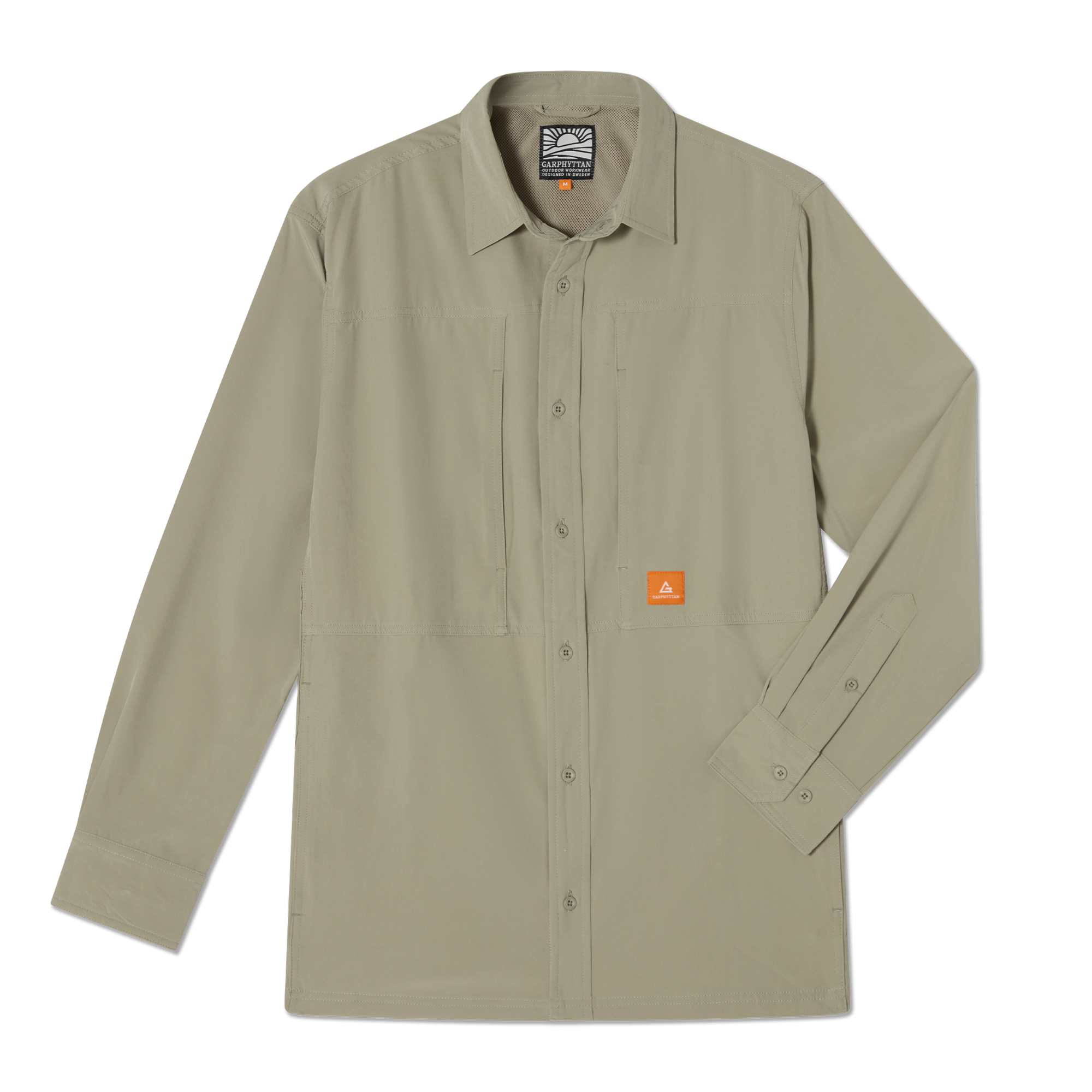
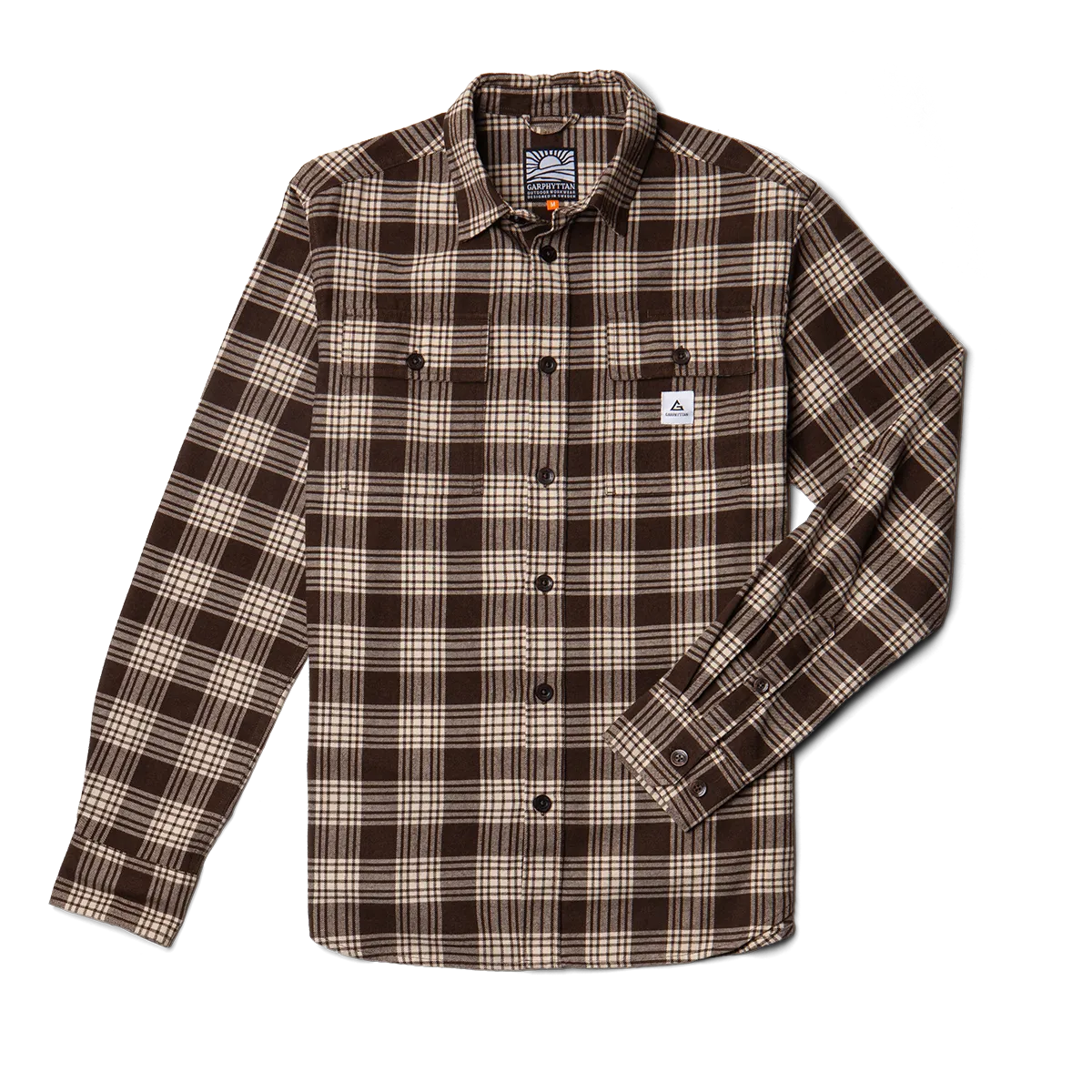
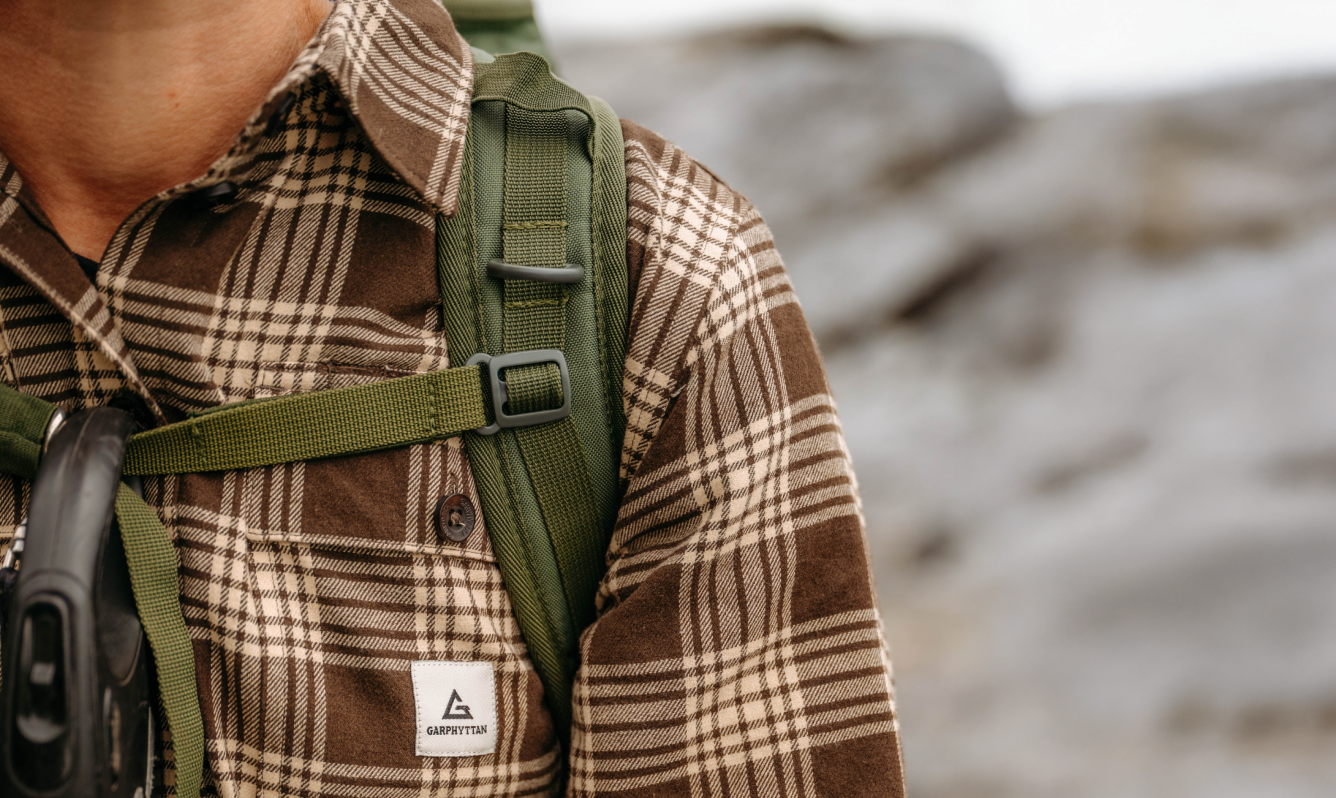
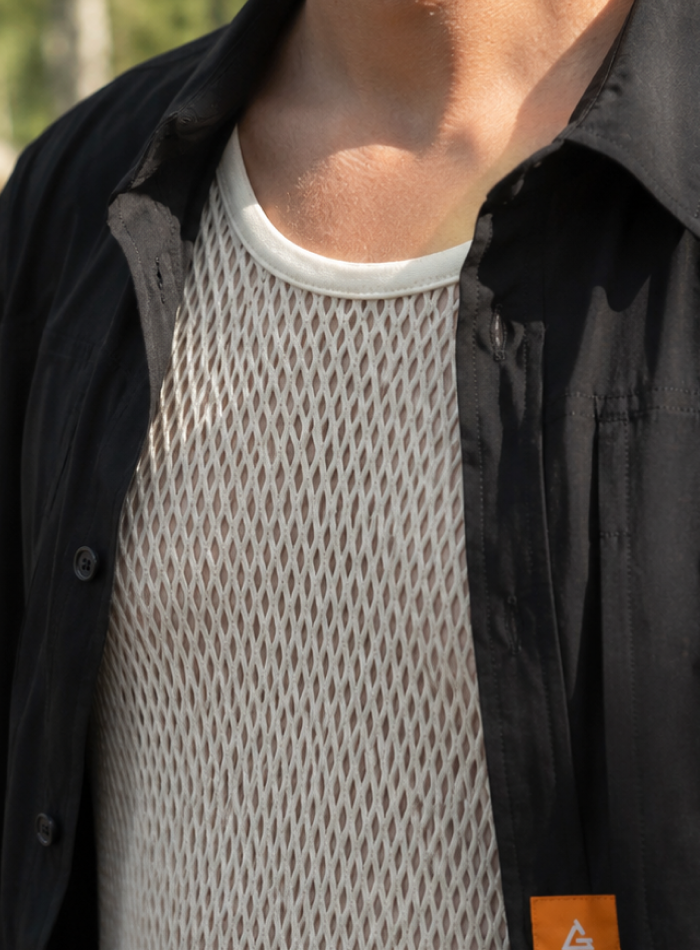
Outdoor shirts are among the most versatile garments in any outdoor wardrobe. They provide comfort, breathability and freedom of movement across a wide range of activities, from hiking and camping to gardening and everyday life outdoors. Lightweight technical shirts are ideal for warm weather and active use, while durable flannel shirts provide added warmth and comfort in cooler conditions.

Explore our Outdoor Shirts →

Outdoor Trousers and Shorts

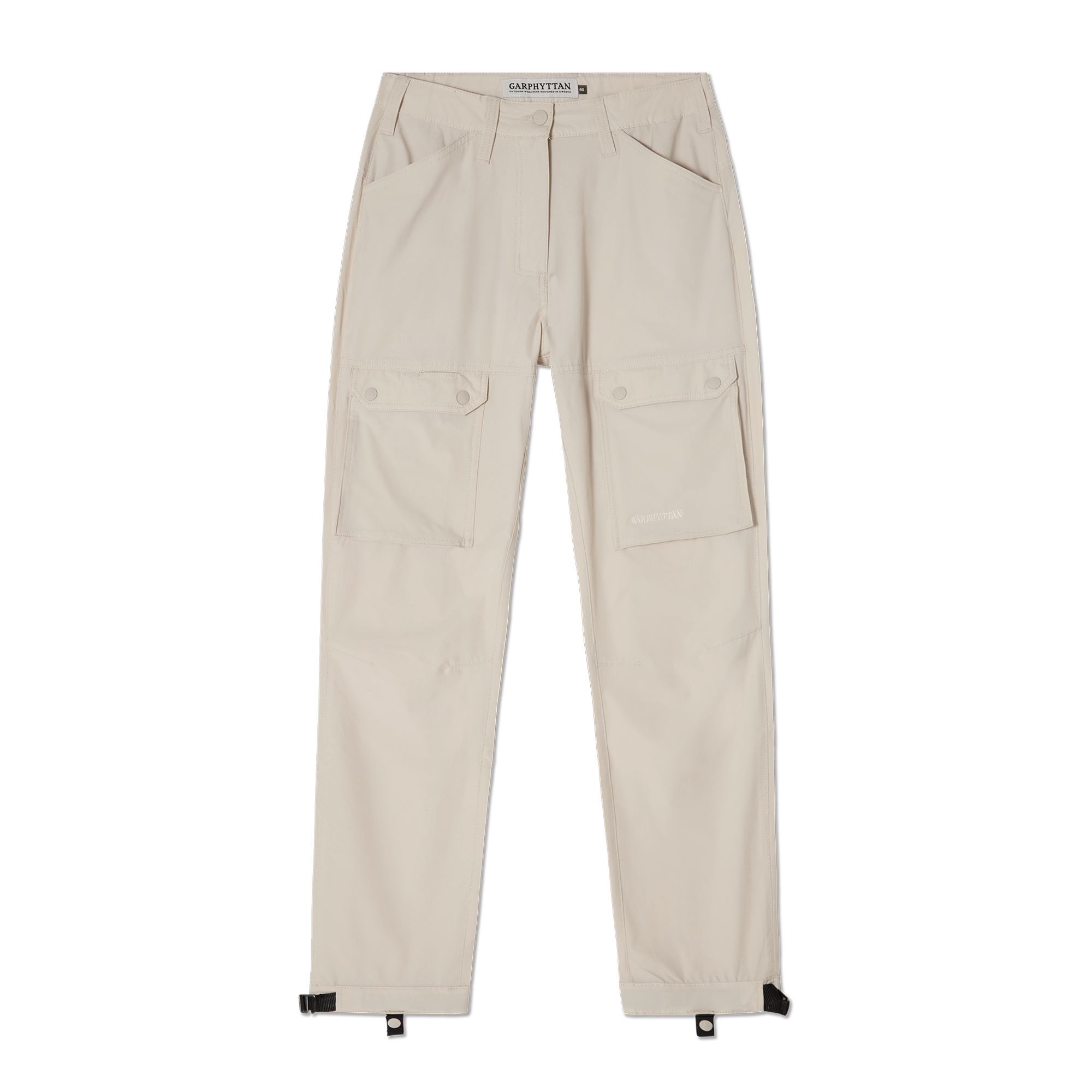
Designed for durability and freedom of movement, outdoor trousers provide protection and comfort across changing terrain and weather conditions. For warmer days, outdoor shorts provide freedom of movement and comfort in a lighter, more breathable design, making them ideal for hiking, travel and everyday life outdoors.

Explore our Outdoor Trousers & Shorts →


Jackets

A good outdoor jacket protects you from wind, light rain and changing weather while remaining comfortable enough to wear throughout the day. Depending on the season, it can be worn as an outer layer or combined with additional insulation.

Explore our Outdoor Jackets →


Base Layers and Mid Layers

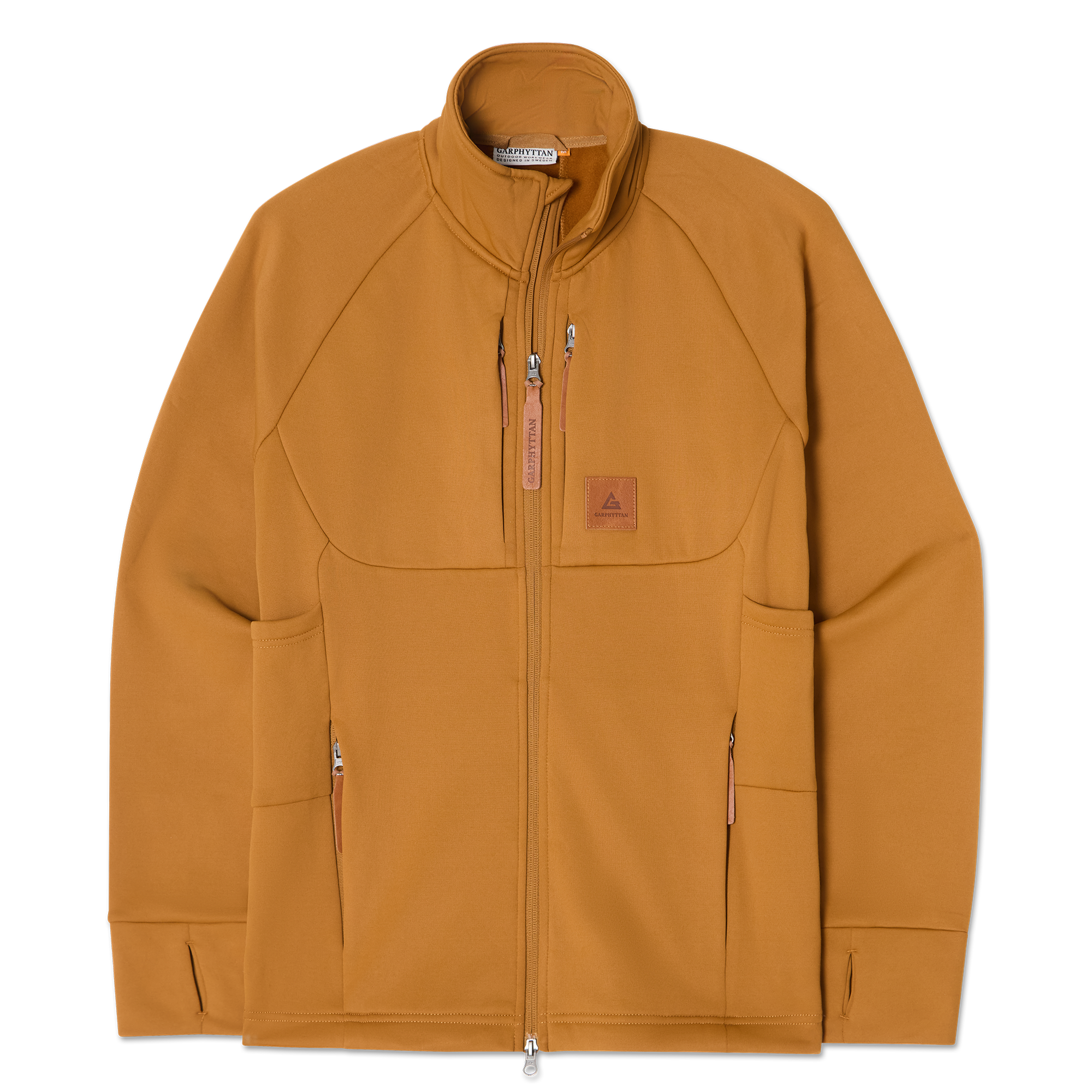
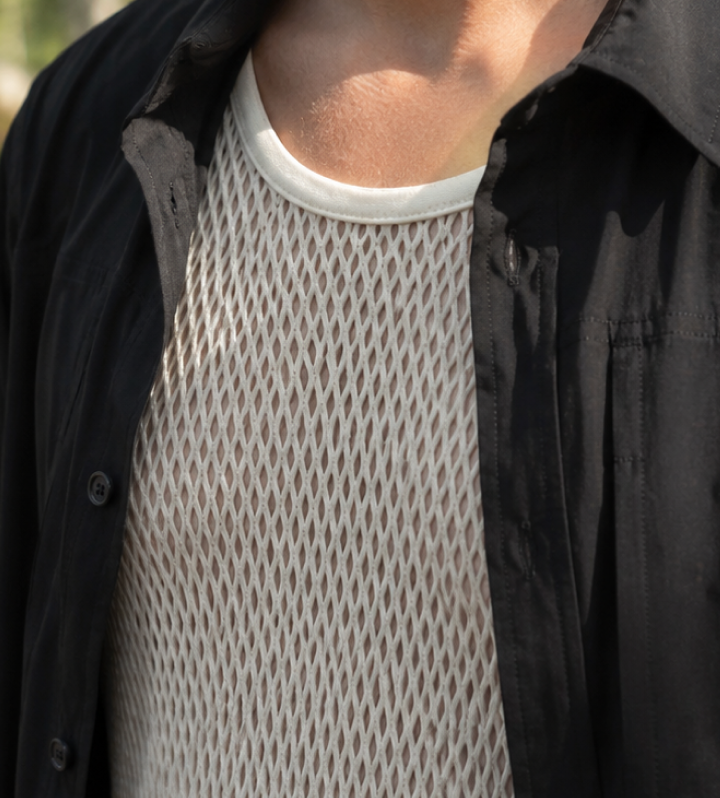
Base layers form the foundation of a layering system by helping manage moisture and regulate body temperature in both warm and cold conditions. Mid layers provide additional insulation when temperatures drop. Together, they help you stay comfortable and adapt as conditions change.

Explore our Base Layers →


Accessories

Accessories such as gloves, hats and socks complete your outdoor clothing system, providing extra comfort and protection when the weather or activity demands it.

Explore our Accessories →

Recommended Outdoor Clothing

Whether you’re building your first outdoor wardrobe or upgrading your current one, these versatile garments provide a great foundation for hiking, gardening and everyday life outdoors.

How to Choose Outdoor Clothing

Choosing outdoor clothing isn’t about finding one garment that does everything. It’s about selecting clothing that matches how, where and when you’ll spend time outdoors.

By considering the weather, your activity, the season, the materials and the fit, you can build a versatile outdoor wardrobe that keeps you comfortable across a wide range of conditions.

Choose by Weather

Weather is often the biggest factor when choosing outdoor clothing. Warm temperatures call for lightweight, breathable garments, while cooler or wetter conditions require additional layers and weather protection. Considering both the forecast and how conditions may change helps you stay comfortable throughout the day.

Weather

What to Prioritise

Suggested Clothing

Warm and Sunny

Breathability and ventilation

Guide Shirt + Guide Outdoor Shorts

Cool Weather

Layering and versatility

Garden Shirt + Denali Powerfleece

Windy Weather

Wind protection

Crafter Overshirt + Guide Trouser

Light Rain

Quick-drying fabrics and weather protection

Guide Trouser + Crafter Jacket

Other Things to Consider

🥾 Activity

🌦 Season

Choose clothing that matches your level of activity. More demanding activities require breathable garments with excellent freedom of movement, while lower-intensity activities place greater emphasis on comfort and versatility.

Outdoor clothing should adapt throughout the year. Lightweight garments work best in warmer weather, while cooler seasons call for layering and weather protection.

🧵 Materials

📏 Fit

Breathable, quick-drying and durable fabrics can improve comfort and performance outdoors. The right materials depend on your activity, the weather and how you plan to use the garment.

Outdoor clothing should allow you to move freely and leave room for layering when needed. The right fit improves comfort, mobility and overall performance throughout the day.

Lightweight Clothing for Active Outdoor Life

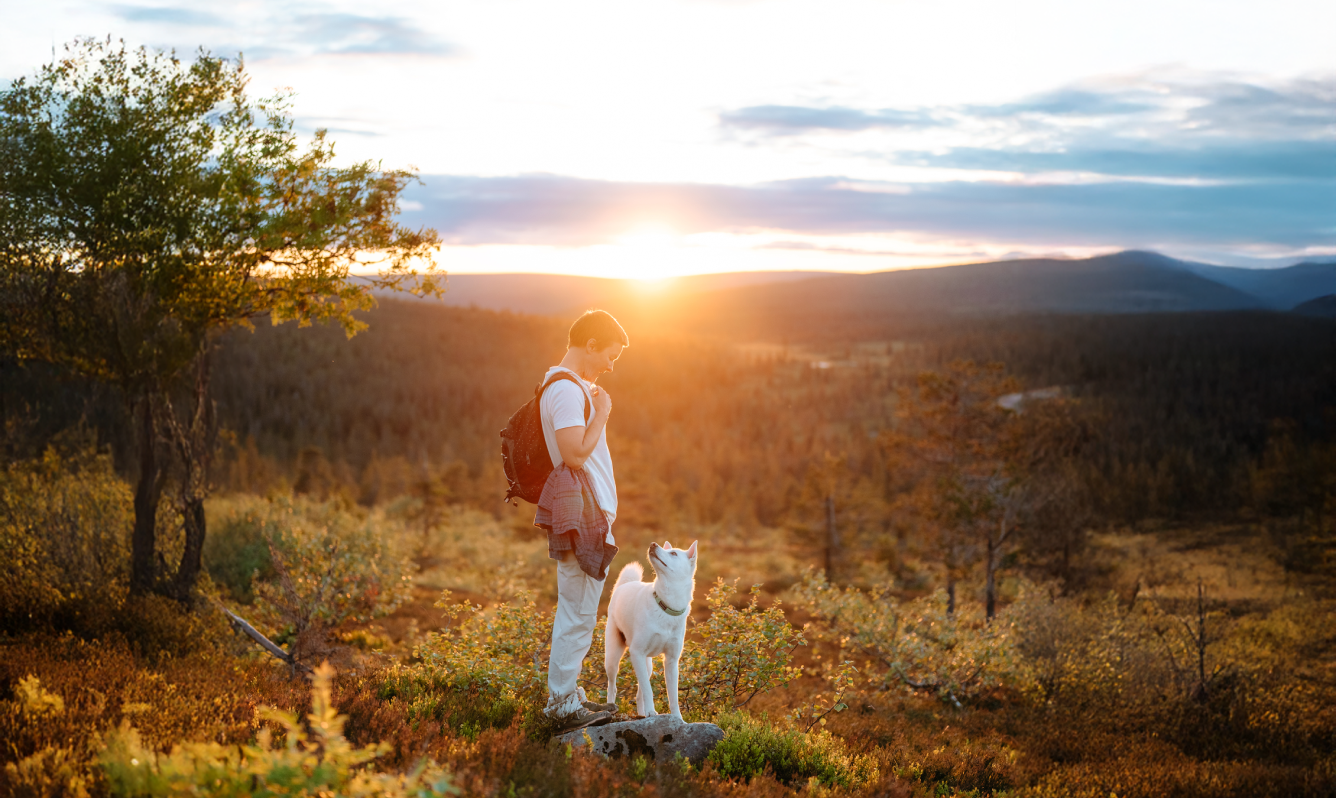
For hiking, travel and active days outdoors, lightweight clothing can make a noticeable difference. Our Guide Collection is designed for freedom of movement and active outdoor life, with lightweight, quick-drying stretch fabrics and practical features for life on the move.

Explore the Guide Collection →

Outdoor Clothing Materials Explained

The materials used in outdoor clothing have a major impact on comfort, durability and performance. Different fabrics excel in different conditions, and understanding their strengths makes it easier to choose the right clothing for your outdoor activities.

Material

Key Strengths

Best For

Merino Wool

Temperature regulation, moisture management and odour resistance

Base layers, socks and cooler conditions

Nylon

Lightweight, durable and quick-drying

Trousers, shorts and active outdoor use

Polyester

Quick-drying, lightweight and versatile

Shirts, base layers and active outdoor use

Cotton

Comfortable, breathable and durable in dry conditions

Shirts, gardening and everyday outdoor life

Polycotton

Durable, comfortable and suitable for waxing

Shirts, trousers and versatile outdoor use

Stretch Fabrics

Flexibility and freedom of movement

Hiking and active outdoor use

Waxed Fabrics

Durable and weather-resistant

Jackets, trousers and wind or light rain

A Note on Waxed Fabrics

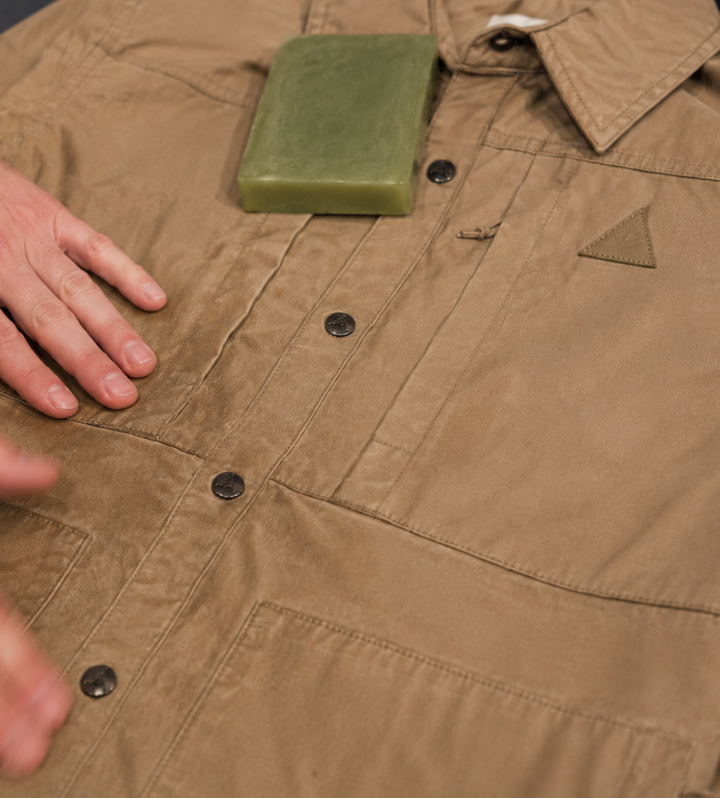
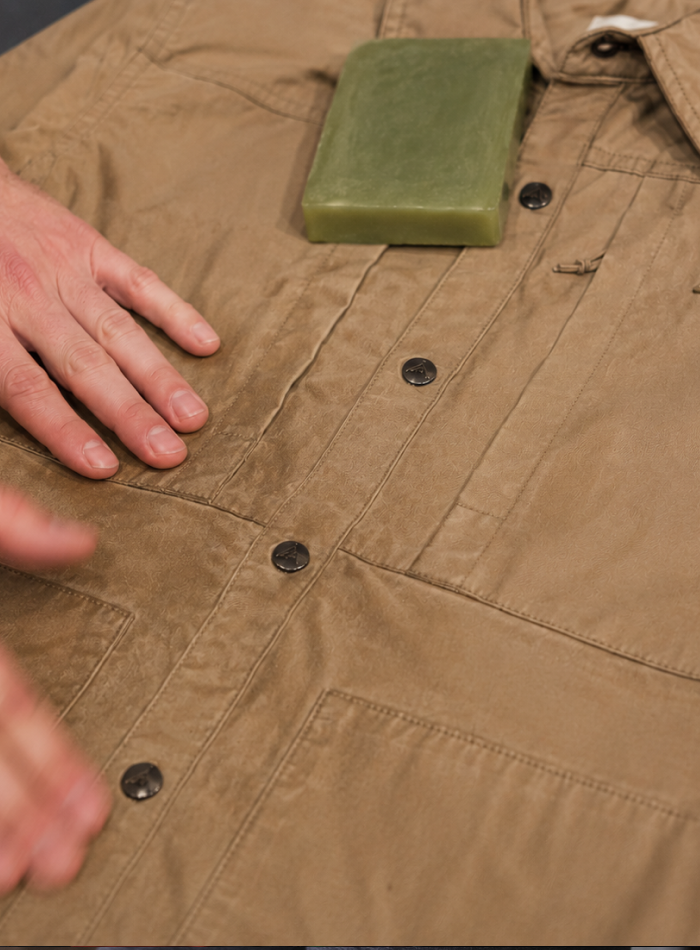
Waxing can add resistance to wind and light rain while extending the versatility of suitable outdoor garments. Densely woven polycotton fabrics are often particularly well suited for waxing and can be rewaxed over time to maintain or enhance their weather resistance. Learn more in our complete guide to waxing outdoor clothing.

Common Outdoor Clothing Mistakes

Choosing outdoor clothing is often as much about avoiding the wrong choices as finding the right garments. Dressing too warmly, choosing unsuitable materials or ignoring changing weather conditions can quickly turn a good day outdoors into an uncomfortable one. Here are some of the most common mistakes to avoid.

1. Dressing Too Warmly

One of the most common mistakes is wearing too much clothing from the start. As your activity level increases, your body generates more heat and moisture, which can leave you sweaty and cold once you stop moving. Start slightly cool and add or remove layers as conditions change.

2. Choosing the Wrong Materials

Different materials perform differently depending on the activity and weather. Cotton can be comfortable and durable in dry conditions, but when worn close to the skin in cold and wet weather, it absorbs moisture and dries slowly. Choose materials based on where, when and how you plan to use them.

3. Ignoring the Importance of Layering

One heavy garment is often less versatile than several lighter layers. A good layering system allows you to adapt as weather conditions and your activity level change throughout the day. Learn how to combine base layers, mid layers and outer layers in our complete Layering Guide.

4. Choosing the Wrong Fit

Outdoor clothing should allow you to move freely without excess fabric getting in the way. Clothing that is too tight can restrict movement and make layering difficult, while an overly loose fit can feel bulky and cumbersome.

5. Dressing Only for the Forecast

Weather can change quickly, especially in the mountains and during longer days outdoors. Consider not only the forecast, but also wind, rain, temperature changes and how long you’ll be away from shelter.

Caring for Outdoor Clothing

Proper care can significantly extend the life of your outdoor clothing and help maintain its comfort and performance over time. Always follow the care instructions for each garment, as different materials, constructions and treatments require different methods.

Avoid washing outdoor clothing more often than necessary. Airing out garments between uses can reduce wear, while small tears, loose buttons and other minor damage can often be repaired, extending the useful life of the garment.

Water-repellent treatments and waxed fabrics may need occasional maintenance to retain their protective properties. Make sure garments are clean and completely dry before long-term storage, and restore weather resistance when needed.

Weather is often the biggest factor when choosing outdoor clothing. Warm temperatures call for lightweight, breathable garments, while cooler or wetter conditions require additional layers and weather protection. Considering both the forecast and how conditions may change helps you stay comfortable throughout the day.

Frame 685

Frequently Asked Questions

Outdoor clothing is designed to keep you comfortable, protected and free to move during outdoor activities. It often uses durable, breathable or quick-drying materials and is designed to adapt to changing weather, terrain and activity levels.

The best hiking clothing depends on the weather, season and intensity of your hike. Breathable shirts, flexible trousers or shorts and lightweight layers are a good starting point, while colder or wetter conditions may require insulation and additional weather protection. For lightweight, technical clothing designed for hiking and active outdoor life, explore our Guide Collection.

There is no single best material for every outdoor activity. Merino wool is excellent for temperature regulation, while nylon and polyester are lightweight and quick-drying. Cotton and polycotton can provide comfort and durability for everyday outdoor use and dry conditions.

Cotton can be a good choice for gardening, everyday outdoor life and activities in dry, mild conditions. However, it absorbs moisture and dries slowly, making it less suitable as a base layer or for cold and wet conditions where staying dry is important.

Outdoor clothing should allow you to move freely without feeling restrictive or unnecessarily bulky. The ideal fit depends on the garment and activity, but there should generally be enough room for natural movement and, where needed, additional layers underneath.

Not always. For shorter hikes in dry and stable weather, breathable and water-resistant clothing may be enough. For longer hikes, heavy rain or unpredictable conditions, carrying a waterproof outer layer can provide valuable protection.

Outdoor clothing should generally be washed only when needed and always according to the garment’s care instructions. Airing out clothing between uses can help keep it fresh while reducing unnecessary wear from frequent washing.

Outdoor clothing is primarily designed for activities such as hiking, camping and everyday life outdoors, with an emphasis on comfort, movement and adapting to changing weather. Workwear is designed around the demands of physical work and may prioritise additional durability, protection and job-specific functionality. Learn more in our complete Outdoor Workwear Guide.

Frame 688

Ready to Spend More Time Outdoors?

Whether you’re hiking, camping, working in the garden or simply enjoying everyday life outdoors, the right clothing helps you stay comfortable, move freely and adapt to changing conditions.

Explore our outdoor clothing for men and women, designed for life outdoors in every season.

Responsive Menu
0
    0
    Your cart
    Your cart is emptyReturn to shop
      Calculate Shipping
        Don't miss these
        Don't miss these