3 for 2 on all shirts →

How to Wax Outdoor Clothing:
The Complete Guide

How to Wax Outdoor Clothing: The Complete Guide

Waxing outdoor clothing is one of the most effective ways to improve water resistance, protect fabrics from wear and extend the lifespan of your garments. Particularly effective on cotton and polycotton fabrics, waxing helps repel moisture, dirt and everyday abrasion.

This guide explains why outdoor clothing should be waxed, which garments can be waxed, and how to apply garment wax step by step.

security 1
honeycomb (1) 1
recycle 1

Improves water resistance

Made with natural beeswax

Extends garment lifespan

security 1
honeycomb (1) 1
recycle 1

Improves water resistance

Made with natural beeswax

Extends garment lifespan

Quick Answer

Waxing outdoor clothing improves water resistance, protects fabrics from wear and helps extend the lifespan of garments. Most commonly used on cotton and polycotton fabrics, waxing creates a protective barrier that helps repel moisture, dirt and everyday abrasion.

Regular waxing helps outdoor clothing stay functional for longer and better prepared for changing conditions.

What does waxing do?

Waxing creates a protective barrier on the surface of the fabric. This helps outdoor clothing resist moisture, dirt and everyday wear while extending the lifespan of the garment. Particularly effective on cotton and polycotton fabrics, waxing helps outdoor clothing stay functional, durable and better protected in changing conditions.

Improves water resistance

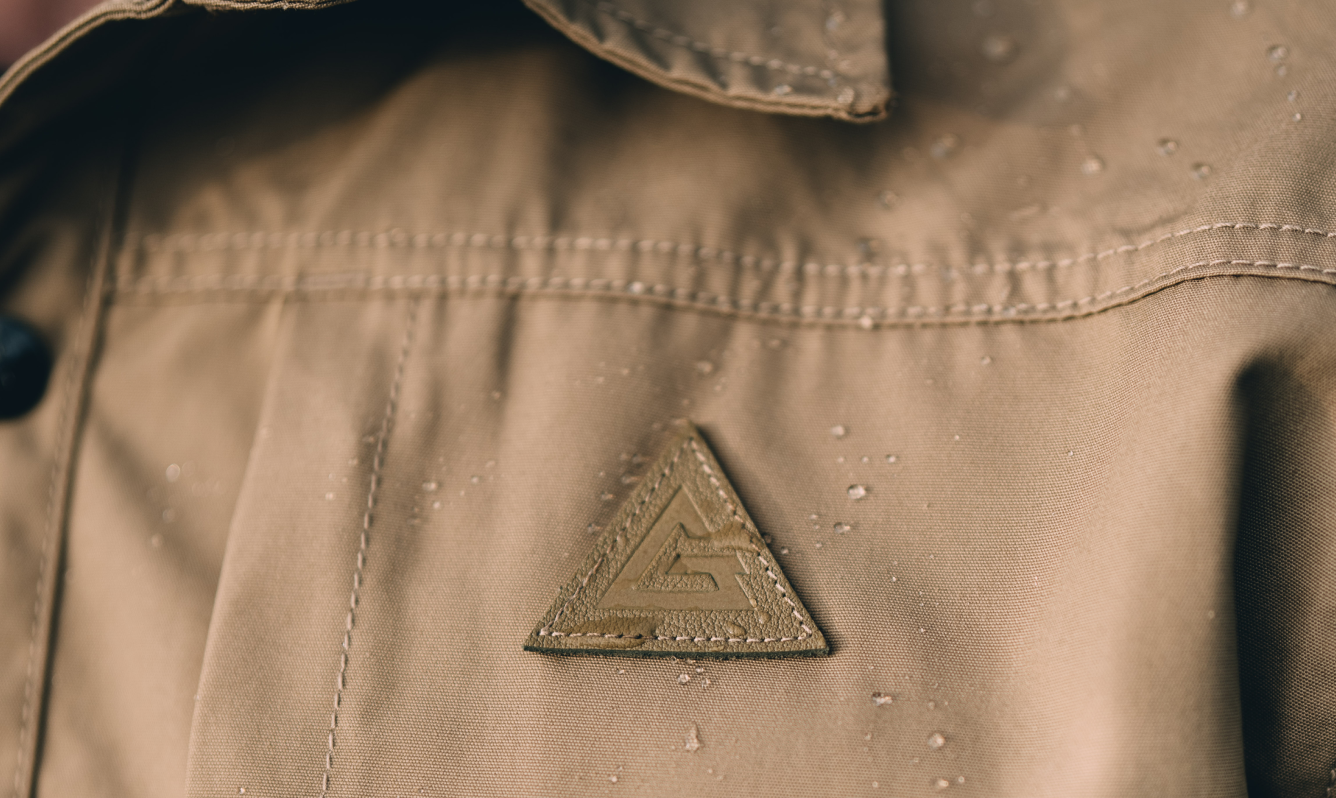
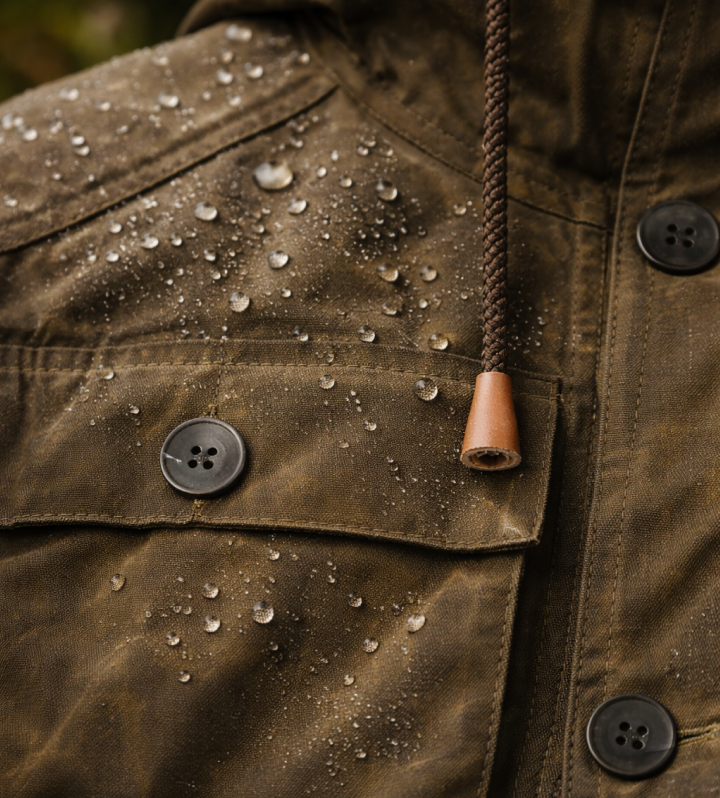
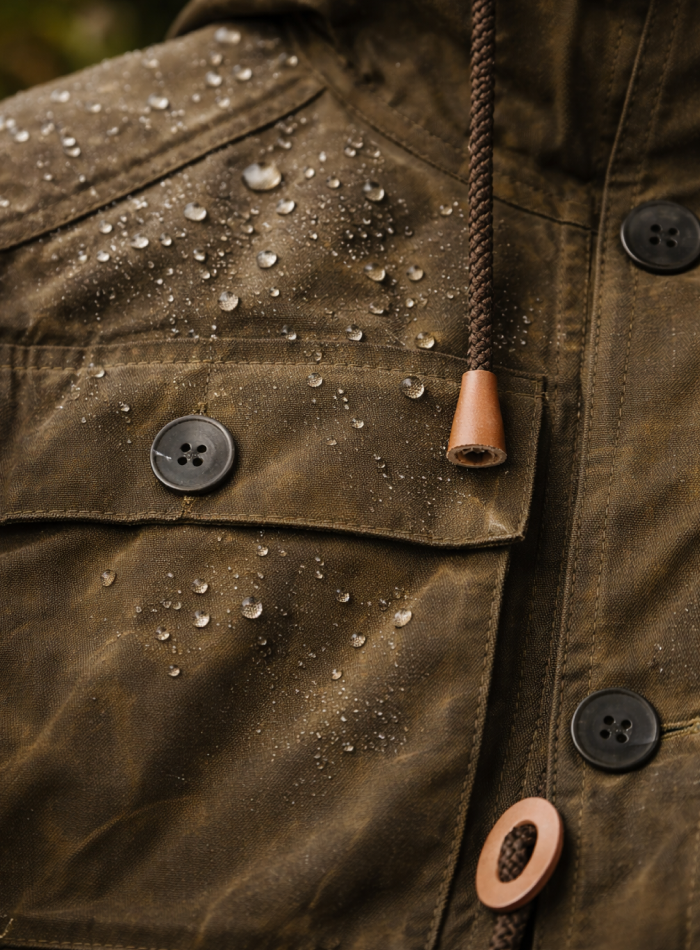
Wax helps repel light rain, moisture and wet vegetation by preventing water from being absorbed into the fabric as quickly. While waxing does not make garments fully waterproof, it helps keep them drier for longer in changing outdoor conditions.

Protects against dirt and wear

Waxed fabrics are less likely to absorb dirt, mud and stains. The protective layer also helps reduce wear in areas exposed to frequent friction, making waxing especially useful for outdoor trousers, jackets and workwear.

Extends garment lifespan

By reducing the impact of moisture, dirt and everyday abrasion, regular waxing helps outdoor clothing maintain its performance and appearance over time. This can help extend the lifespan of garments and reduce the need for replacement.

Maintains the character of the fabric

Unlike many synthetic treatments, waxing allows cotton and polycotton garments to develop a unique patina over time. The fabric softens, ages naturally and reflects years of outdoor use while retaining its functionality.

Which garments and fabrics can be waxed?

Waxing works best on natural and tightly woven fabrics such as cotton, polycotton and canvas. These fabrics readily absorb wax, allowing it to create a protective barrier that helps repel moisture, dirt and everyday wear.

Jackets and anoraks

Outdoor jackets and anoraks are among the most popular garments to wax. Applying wax to exposed areas such as the shoulders, hood and sleeves can help improve protection against rain, wet vegetation and changing weather conditions.

Outdoor trousers

Outdoor trousers are constantly exposed to moisture, dirt and abrasion. Waxing high-wear areas such as the knees, seat and lower legs can help improve durability and weather resistance without affecting comfort.

Overshirts and workwear

Cotton and polycotton overshirts are excellent candidates for waxing. A light application can provide additional protection while maintaining comfort and breathability during everyday outdoor use and outdoor work.

Backpacks and canvas accessories

Wax can also be applied to canvas backpacks, bags and other outdoor accessories. This helps protect the fabric from moisture and extends the lifespan of frequently used gear.

Which materials should not be waxed?

Waxing is generally not recommended for fleece, merino wool, down insulation or garments made primarily from waterproof membranes. These materials are designed to perform in different ways and may lose some of their intended properties if wax is applied.

Where should you apply wax?

For the best results, focus on the areas most exposed to moisture, abrasion and daily wear. Applying wax strategically can improve protection where it matters most without making the entire garment heavier or stiffer than necessary.

Shoulders and hood

The shoulders and hood are often the first areas exposed to rain. Applying wax here can help improve protection during wet weather and extended time outdoors.

Sleeves and cuffs

Sleeves frequently come into contact with wet vegetation, tools and outdoor surfaces. A light application of wax can help reduce moisture absorption and everyday wear.

Knees and seat

On outdoor trousers, the knees and seat are among the highest-wear areas. Waxing these sections can improve durability and help protect against damp ground, mud and abrasion.

Lower legs

Lower legs are regularly exposed to wet grass, mud and brush. Applying wax to this area can help keep trousers drier and reduce wear over time.

High-use areas

Pay particular attention to areas that experience repeated friction or frequent exposure to the elements. These areas often benefit the most from regular rewaxing.

Ready to get started?

How to apply garment wax step by step

Applying garment wax is a simple process that can significantly improve the performance and lifespan of outdoor clothing. Follow these steps for the best results.

What you’ll need


Before you begin, make sure you have:

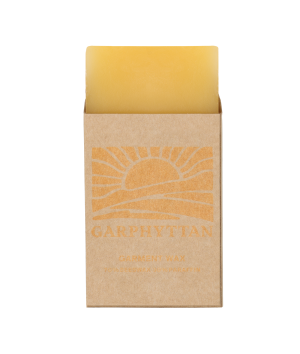
  • Garphyttan Garment Wax
  • A clean and dry garment
  • A hair dryer, iron (low heat) or another safe heat source


Step 1: Start with a clean and dry garment


Dirt and moisture can prevent the wax from penetrating the fabric properly. Remove any mud or debris and allow the garment to dry completely before waxing.


Step 2: Apply the wax evenly

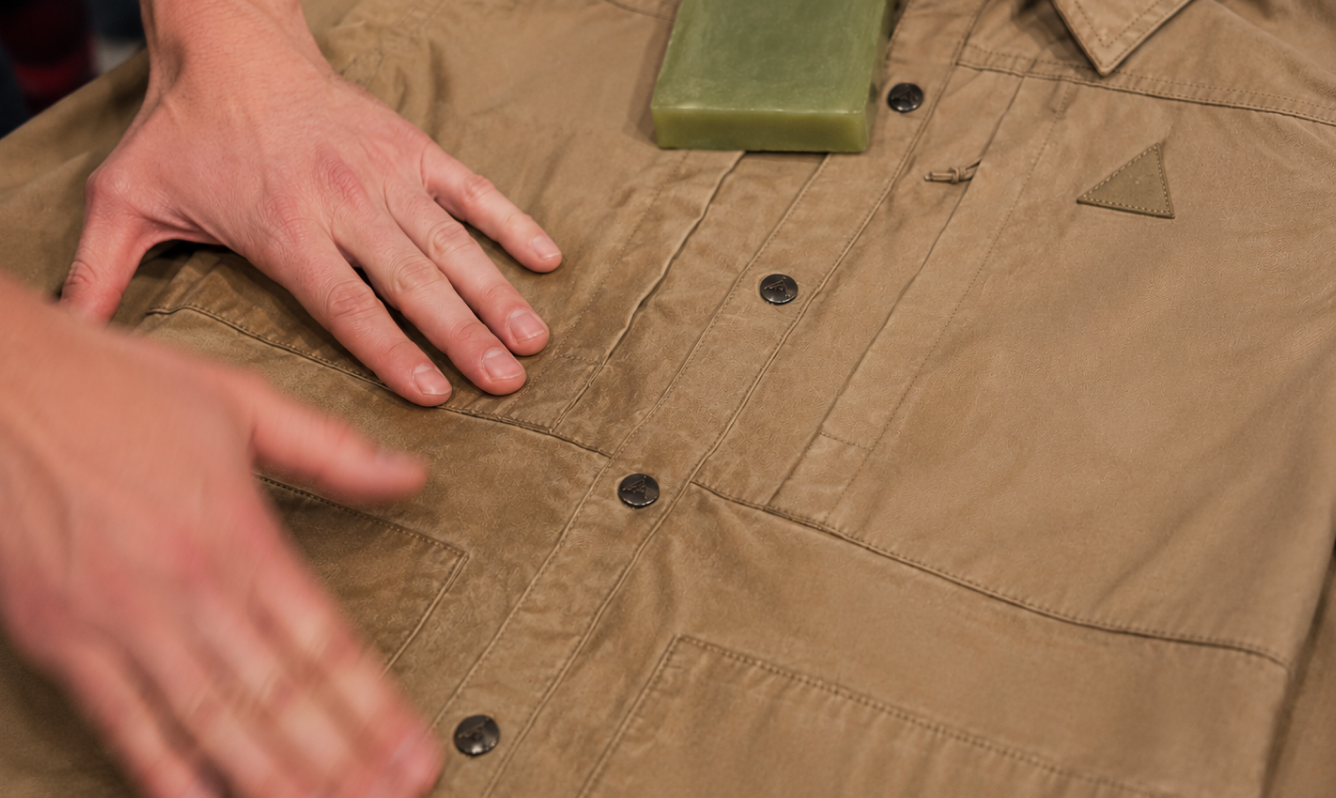
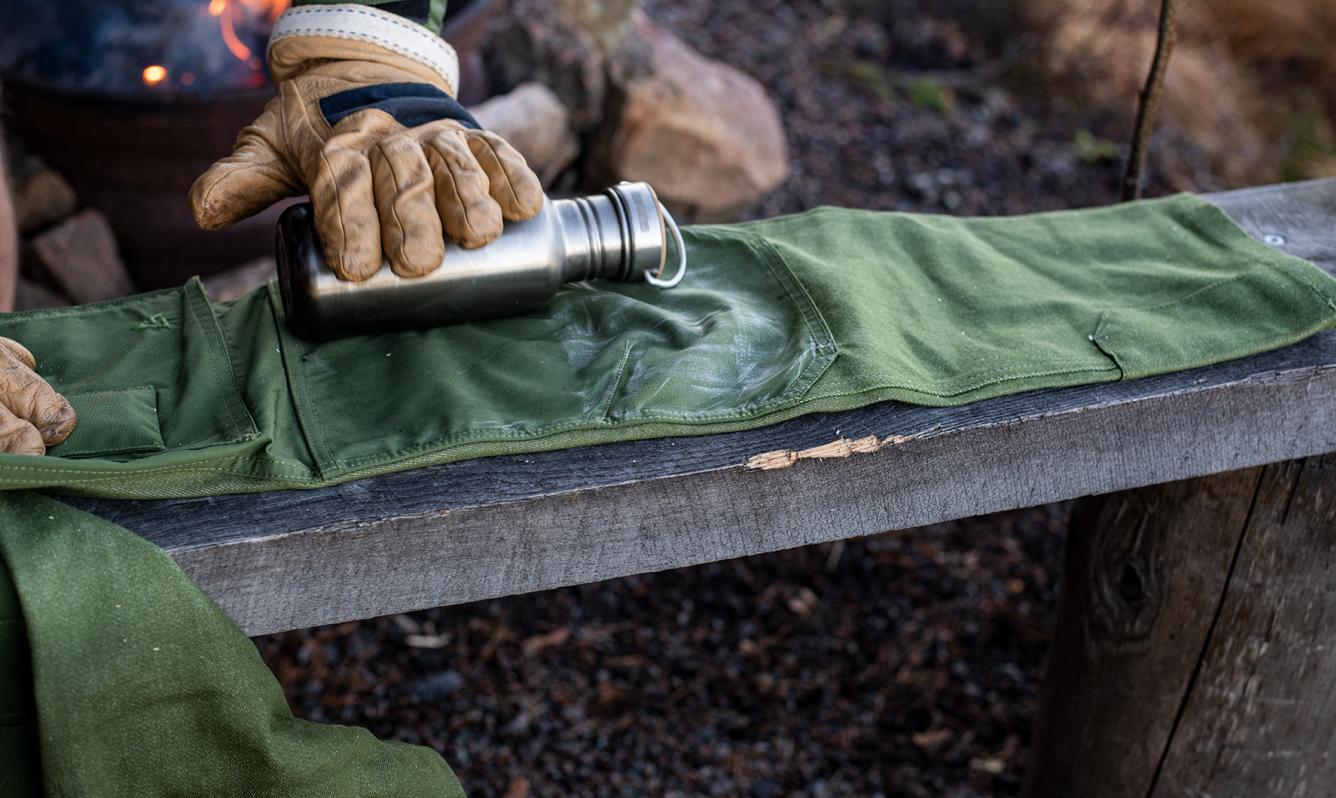
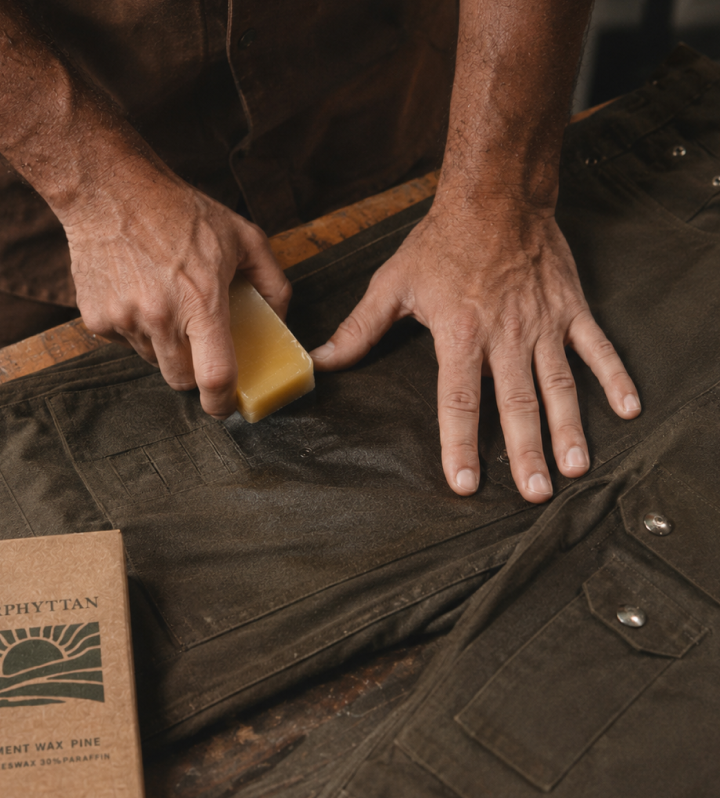
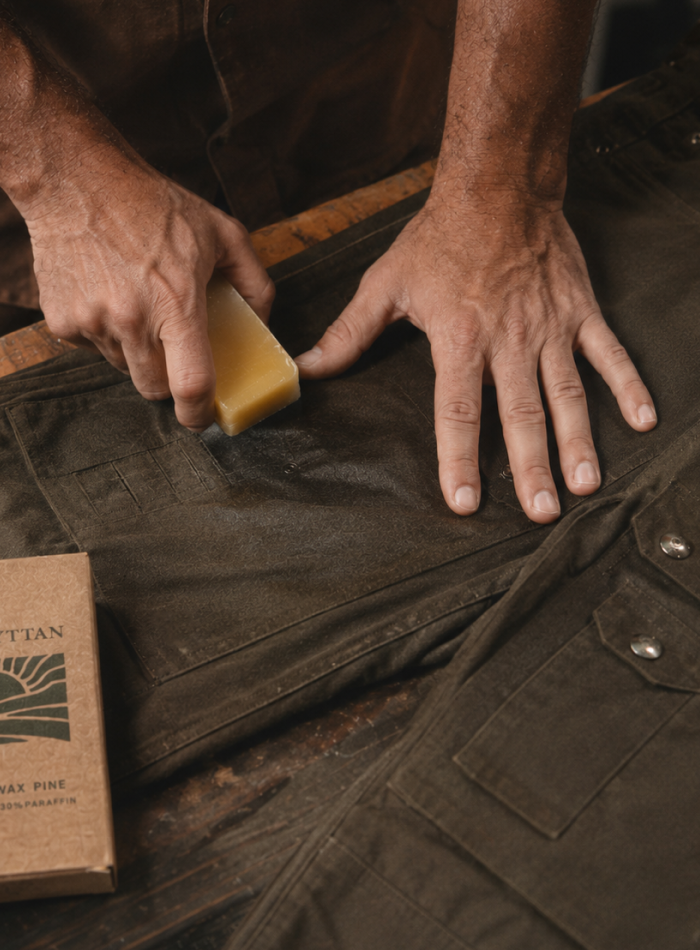
Rub the wax directly onto the fabric using firm, even strokes. Focus on areas exposed to the most moisture and wear, such as the shoulders, hood, sleeves, knees and lower legs.


Step 3: Apply heat

Use a hair dryer, iron on low heat or another safe heat source to melt the wax into the fabric. As the wax melts, it will penetrate the fibres and create a protective barrier.


Step 4: Allow the garment to cool

Once the wax has been absorbed, allow the garment to cool and dry completely before use. The fabric may appear slightly darker after treatment.


Step 5: Rewax when needed

For increased protection, additional layers can be applied to high-wear areas. Rewax garments whenever water no longer beads on the surface or after extended use in demanding conditions.

When should you rewax your clothing?

There is no fixed schedule for rewaxing outdoor clothing. How often you need to rewax depends on how frequently the garment is used, the conditions it is exposed to and how often it is washed.

Signs that it may be time to rewax include:

  • Water no longer beads on the surface of the fabric
  • The garment feels dry or less protected than usual
  • Areas exposed to frequent wear show increased moisture absorption
  • The garment has been exposed to heavy rain, mud or repeated washing

For most outdoor clothing, a light rewaxing once or twice per year is sufficient. Garments used frequently in demanding conditions may benefit from more regular treatment.

How to care for waxed garments

Proper care helps maintain the performance of waxed jackets, waxed outdoor trousers and other waxed clothing, ensuring the protective finish lasts as long as possible.

Avoid frequent washing

Waxed garments generally do not need to be washed as often as untreated clothing. Spot cleaning with cold water and a soft brush is often enough to remove dirt and mud.

Avoid high heat

High temperatures can affect the wax treatment. Avoid tumble drying and prolonged exposure to excessive heat unless you are intentionally rewaxing the garment.

Rewax when needed

Regular rewaxing helps maintain water resistance and protection. Pay particular attention to high-wear areas that are exposed to frequent moisture and abrasion.

Store in a dry place

Store waxed garments in a cool, dry and well-ventilated area. Avoid long-term storage in direct sunlight or damp environments.

With proper care and regular maintenance, waxed outdoor clothing can remain functional and reliable for many years.

Frequently asked questions

Apply garment wax directly to a clean and dry garment using firm, even strokes. Focus on areas exposed to moisture and wear, then use a hair dryer, iron on low heat or another safe heat source to melt the wax into the fabric.

Waxing works best on natural and tightly woven fabrics such as cotton, polycotton and canvas. These fabrics readily absorb wax and benefit from the additional protection it provides.

No. Waxing improves water resistance but does not make garments fully waterproof. It helps repel moisture and light rain while reducing water absorption in the fabric.

The durability of a wax treatment depends on how often the garment is used, the conditions it is exposed to and how frequently it is washed. For most outdoor clothing, rewaxing once or twice per year is sufficient.

There is no fixed schedule. Rewaxing is recommended when water no longer beads on the surface, when the fabric feels dry or after extended use in wet and demanding conditions.

Yes, but frequent washing can gradually reduce the effectiveness of the wax treatment. Spot cleaning with cold water and a soft brush is often enough to remove dirt and mud between rewaxing treatments.

A light wax treatment may slightly reduce breathability, particularly if large amounts of wax are applied. However, when used correctly, waxing provides additional protection while maintaining comfort during outdoor use.

Yes. A hair dryer is one of the most common ways to melt wax into the fabric. An iron on low heat can also be used, provided it is done carefully.

Yes. Outdoor trousers made from cotton, polycotton or canvas are excellent candidates for waxing. Pay particular attention to high-wear areas such as the knees, seat and lower legs.

Yes. Waxing is commonly used on outdoor jackets, anoraks and overshirts made from cotton or polycotton fabrics. Applying wax to the shoulders, hood and sleeves can help improve protection against moisture and wear.

Yes. Applying excessive amounts of wax can make the fabric stiffer and heavier than necessary. For the best results, apply a thin, even layer and focus on areas exposed to moisture and wear.

Not necessarily. Waxing and waterproof membranes serve different purposes. Waxing is commonly used on cotton and polycotton garments to improve water resistance, durability and longevity while maintaining the natural character of the fabric. Waterproof membranes are designed to provide a higher level of waterproof protection but are typically used in different types of garments and conditions.

Ready to protect your outdoor clothing?

Waxing is one of the simplest ways to improve water resistance, reduce wear and extend the lifespan of outdoor clothing. Whether you’re maintaining a favorite jacket, a pair of outdoor trousers or everyday workwear, regular waxing helps your gear stay functional for longer.

Choose the wax that suits your preference and keep your outdoor clothing ready for changing conditions, season after season.

Responsive Menu
0
    0
    Your cart
    Your cart is emptyReturn to shop
      Calculate Shipping
        Don't miss these
        Don't miss these