Choosing the right gloves is important for comfort, warmth, durability and protection. Different gloves are designed for different purposes, whether you’re hiking, working outdoors or facing cold winter conditions.
This guide explains the differences between common glove types, materials and insulation options, helping you choose the right gloves for outdoor activities, work and everyday use.
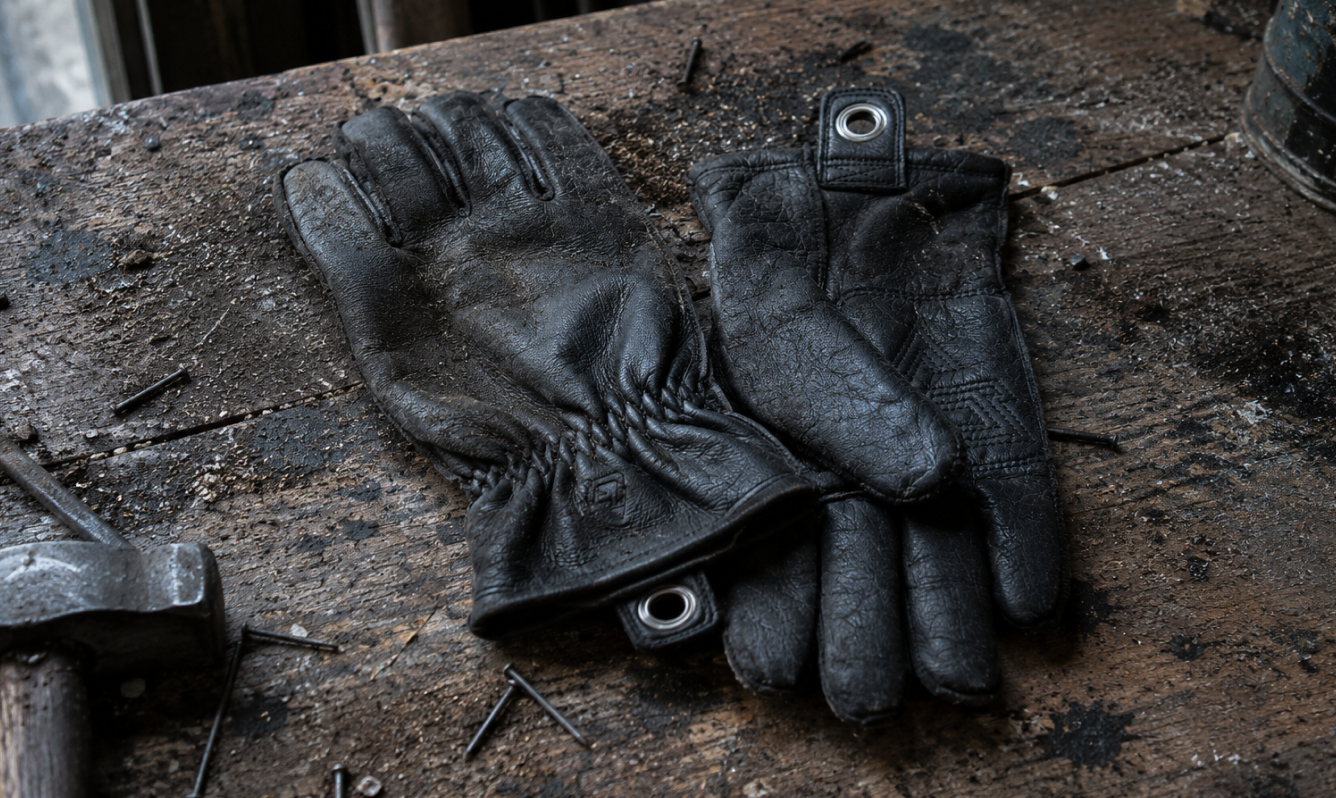
Leather & Kevlar materals
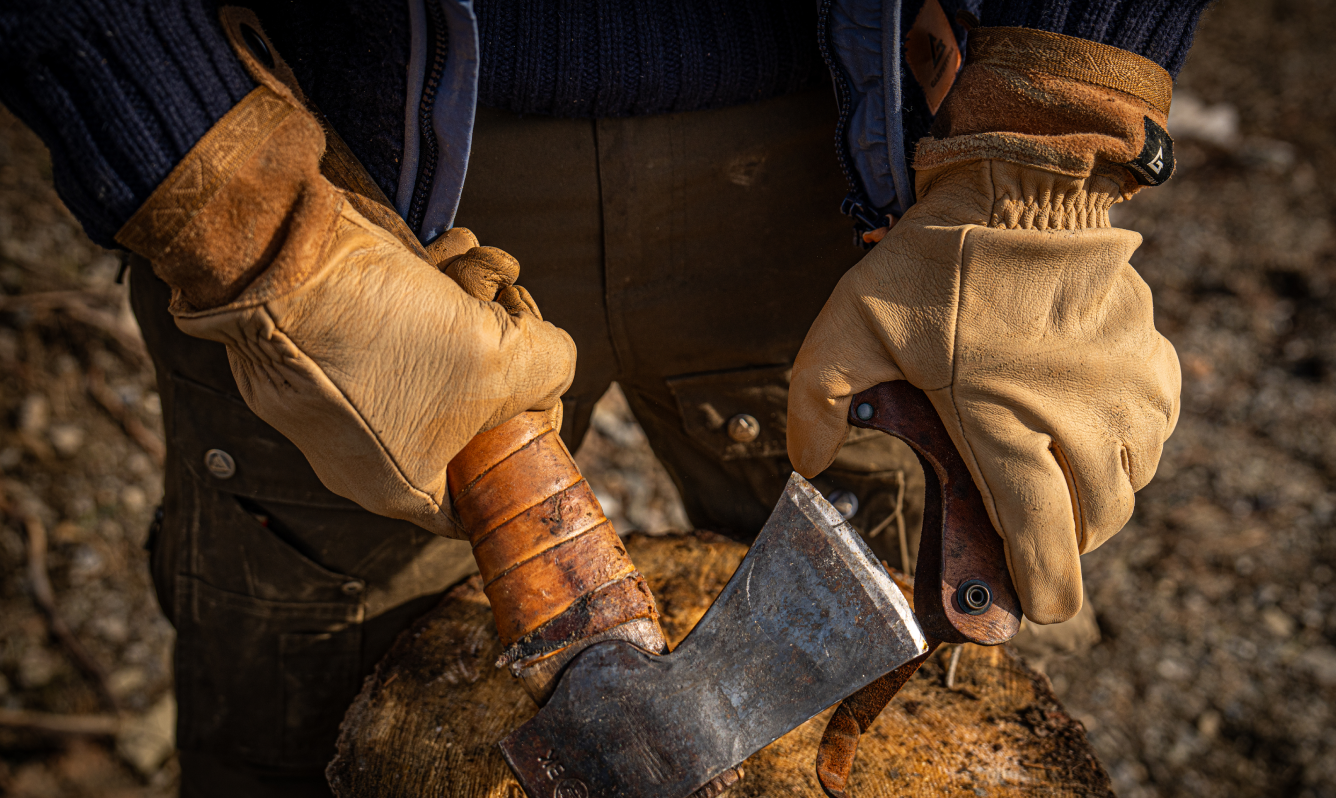
Built for work and outdoor use
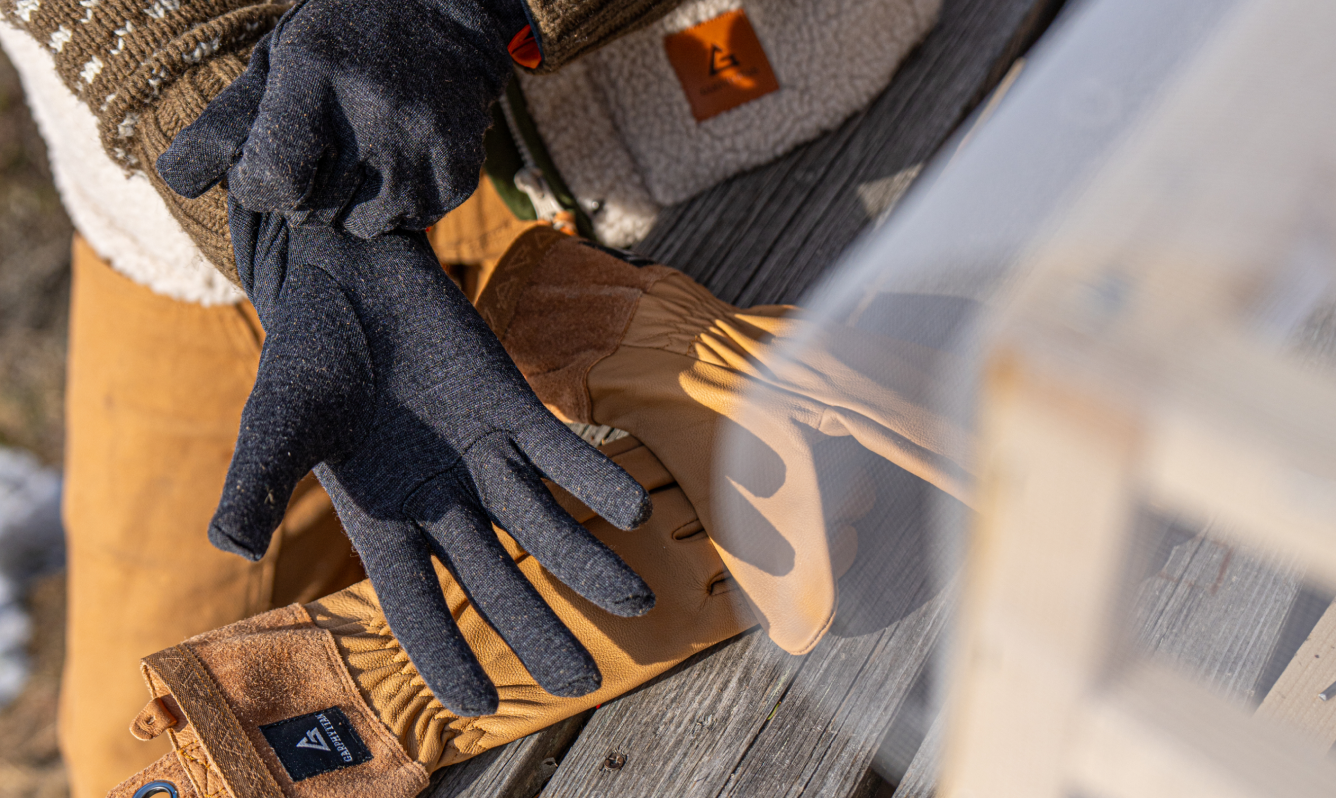
Layering for every season
Leather & Kevlar materals
Built for work and outdoor use
Layering for every season
The right leather gloves, work gloves or outdoor gloves depend on how and where they will be used. Leather gloves offer an excellent balance of durability, comfort and dexterity, making them suitable for outdoor activities, work and everyday use. Mittens and layering systems provide additional warmth in cold conditions, while glove liners improve versatility and temperature regulation. For demanding outdoor work, reinforced work gloves can offer increased durability and protection.
Why choosing the right gloves matters
Gloves are designed to solve different challenges. Some prioritise warmth in cold weather, while others focus on durability, dexterity or protection during outdoor work. Choosing the right gloves can improve comfort, help maintain hand mobility and provide better protection from the elements.
Materials play an important role in glove performance. Leather gloves are valued for their durability, flexibility and natural grip, making them a popular choice for both outdoor activities and work. Mittens and glove liners can provide additional warmth in cold conditions.
The intended use should also influence your choice. A glove designed for hiking may prioritise comfort and dexterity, while a work glove may focus on durability and protection in demanding environments. Understanding these differences makes it easier to choose gloves that match your needs and the conditions you’ll face.
Leather gloves: benefits and uses
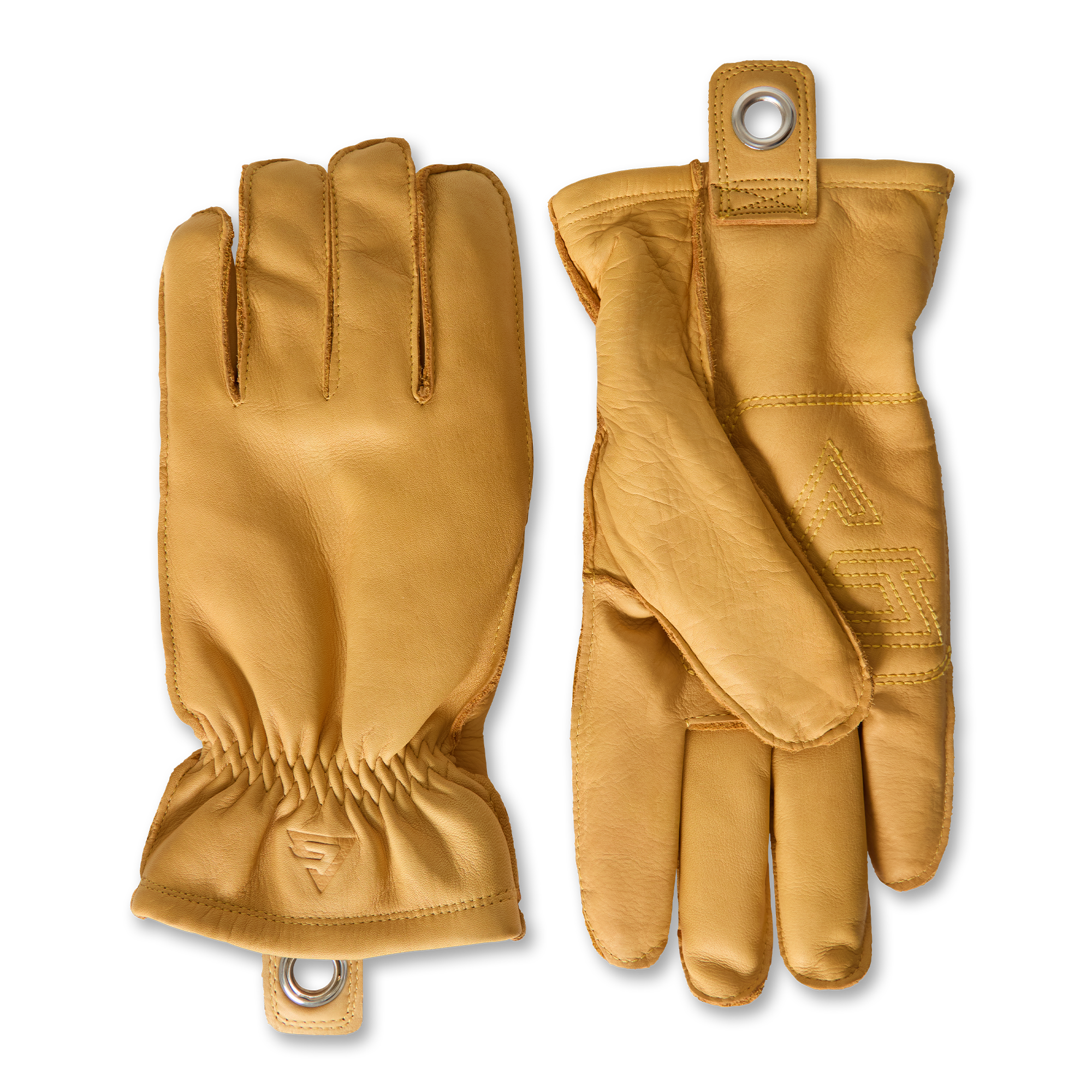
Leather gloves remain one of the most popular choices for outdoor activities, work and everyday use. They offer an excellent balance of durability, comfort and dexterity, making them suitable for a wide range of conditions and tasks.
One of the key advantages of leather is its ability to adapt to the shape of the hand over time, creating a comfortable fit while maintaining durability. With proper care, quality leather gloves can provide reliable performance for many years.
Why choose leather gloves?
Goatskin is commonly used in premium gloves due to its combination of flexibility, durability and natural grip. It provides good freedom of movement while offering the protection needed for outdoor activities and demanding work.
Outdoor gloves vs work gloves
While outdoor gloves and work gloves may appear similar, they are often designed with different priorities in mind.
Outdoor gloves are typically designed to balance comfort, dexterity and protection during activities such as hiking, hunting and general outdoor use. They allow the hands to move naturally while providing protection from wind, cold weather and everyday wear. For many outdoor enthusiasts, a versatile leather glove is often the preferred choice.
Work gloves are designed for more demanding tasks where durability and protection are especially important. Activities such as forestry work, gardening, property maintenance and other outdoor labour can place significant stress on gloves, making reinforced materials and durable construction particularly valuable.
Some work gloves incorporate reinforcement materials such as Kevlar® to provide additional durability in high-wear areas while maintaining flexibility and comfort.
No single glove is ideal for every situation. The best choice depends on the activity, weather conditions and level of protection required.
Gloves vs mittens
Both gloves and mittens have their advantages, and the best choice depends on the conditions and activities they will be used for.
Gloves keep each finger separate, providing greater dexterity and making it easier to handle tools, equipment and everyday tasks. This makes them a popular choice for hiking, outdoor work and activities where precision and grip are important.
Mittens allow the fingers to share warmth within a single compartment, making them generally warmer than gloves in very cold conditions. They are often preferred for low-activity situations, prolonged exposure to cold weather and winter environments where maximum warmth is the priority.
For many outdoor enthusiasts, both options have their place. Gloves offer versatility and freedom of movement, while mittens provide superior warmth when temperatures drop significantly.
Why use a glove liner?
A glove liner is a lightweight layer worn underneath an outer glove to improve warmth, moisture management and versatility in changing conditions. By adding or removing layers as temperatures change, it becomes easier to stay comfortable throughout the day.
Merino wool glove liners help regulate temperature, wick moisture and provide additional warmth without adding excessive bulk. Depending on the conditions, they can be worn on their own or paired with leather gloves for increased comfort and protection in colder weather.
This flexibility makes glove liners a practical addition to any layering system, helping you adapt to changing temperatures and conditions throughout the year.
How should gloves fit?
A good pair of gloves should fit snugly without restricting movement. Gloves that are too tight can reduce comfort and limit dexterity, while gloves that are too loose may affect grip and make it harder to perform tasks effectively.
When trying on gloves, your fingers should reach close to the end of each finger without being compressed. The glove should feel secure around the hand while still allowing natural movement and flexibility.
Because leather naturally adapts to the shape of the hand over time, new leather gloves may feel slightly firm at first before becoming more comfortable with use.
How to care for leather gloves
Proper care can help extend the lifespan of leather gloves and maintain their comfort and performance over time.
After use, allow leather gloves to dry naturally if they become damp. Avoid placing them on radiators, near open flames or in direct heat, as excessive heat can cause the leather to dry out and become stiff.
Regularly removing dirt and debris with a soft brush or cloth can also help preserve the leather. With basic care and maintenance, quality leather gloves can remain comfortable and functional for many years.
Which glove is right for you?
The best glove depends on how and where it will be used. Some gloves prioritise comfort and versatility for everyday outdoor use, while others focus on warmth or durability for demanding work. The comparison below can help you choose the right option for your needs.
Model
Best for
Key features
Everyday use, walks, general outdoor activities
Soft goatskin leather, comfortable fit, versatile design
Gardening, outdoor activities and light outdoor work
Extended cuff, durable leather construction, added wrist protection
Outdoor activities and colder conditions where a mitten design is preferred
Mitten design, extended cuff, simple and protective construction
Layering systems, changing conditions
Merino wool, moisture management, lightweight warmth
Forestry, demanding outdoor work and heavy-duty tasks
Kevlar reinforcement, durable construction, built for tough tasks
Still unsure which glove to choose? Consider how and where the gloves will be used. Activities that require dexterity often benefit from gloves, while colder conditions may favour mittens or a layering system with a merino wool liner.
Shop gloves
-14.5 $
-16 $
-14.5 $
-16 $
Frequently asked questions
No. Most leather gloves are naturally water-resistant to some degree, but they are not fully waterproof unless specifically treated or constructed with waterproof materials.
Yes. Because the fingers share warmth within a single compartment, mittens are generally warmer than gloves in cold conditions.
Glove liners are worn underneath an outer glove to provide additional warmth, improve moisture management and increase versatility in changing conditions.
Leather gloves should fit snugly without restricting movement. Because leather naturally adapts to the shape of the hand, they often become more comfortable with use.
Goatskin offers an excellent balance of durability, flexibility and natural grip, making it a popular choice for both outdoor activities and work.
Yes. Leather gloves are commonly used for gardening, forestry work, property maintenance and a wide range of outdoor tasks.
Kevlar® is commonly used in gloves to increase durability and reinforce high-wear areas. It is valued for its strength-to-weight ratio and is often incorporated into work gloves designed for demanding outdoor tasks.
With proper care and maintenance, quality leather gloves can remain comfortable and functional for many years.
Merino wool liners help regulate temperature, wick moisture and provide lightweight warmth, making them a practical addition to a layering system.
Ready to find the right gloves?
Choosing the right gloves comes down to how and where they will be used. Whether you’re looking for a versatile leather glove for everyday outdoor activities, a durable work glove for demanding tasks or a merino wool liner for changing conditions, the right choice can improve comfort, protection and performance outdoors.
We use cookies to enhance your browsing experience, serve personalised ads or content, and analyze our traffic. By clicking “Allow all”, you consent to our use of cookies.