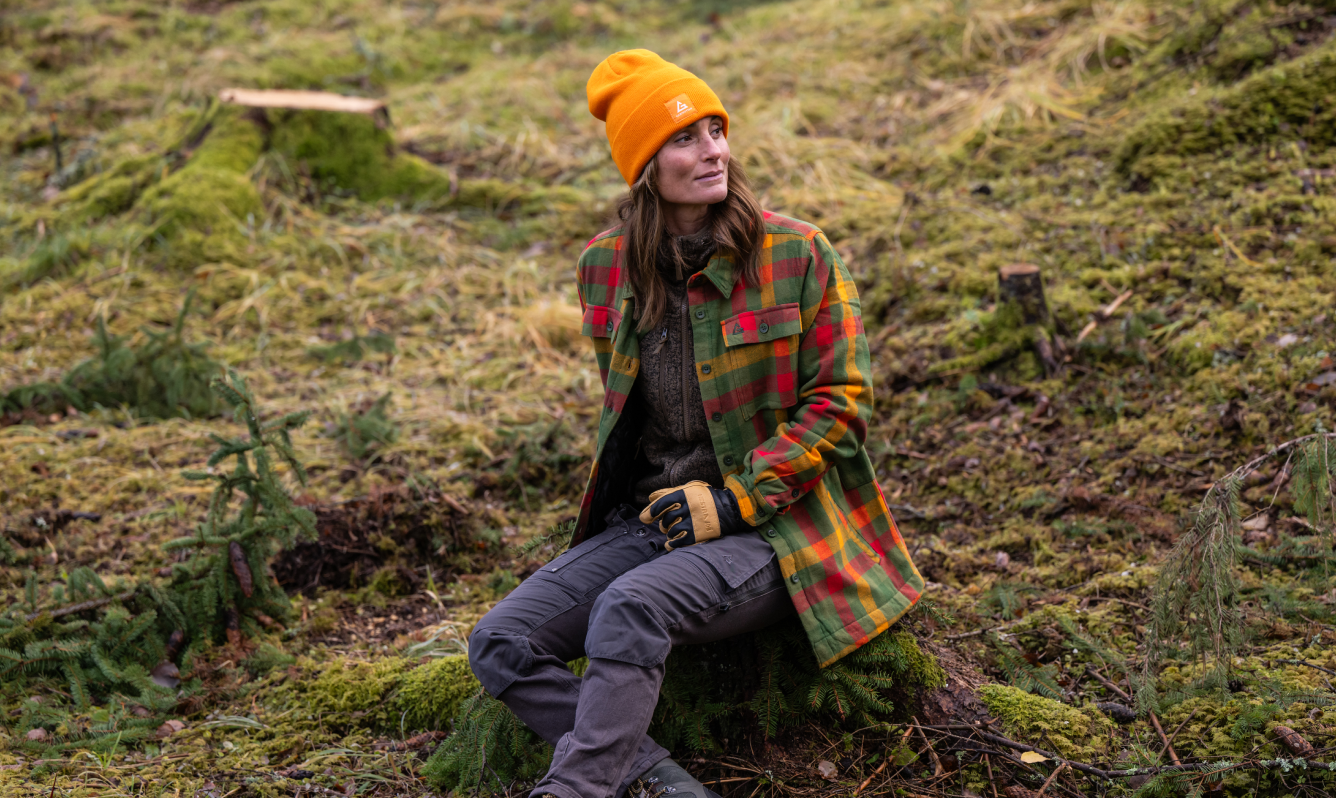
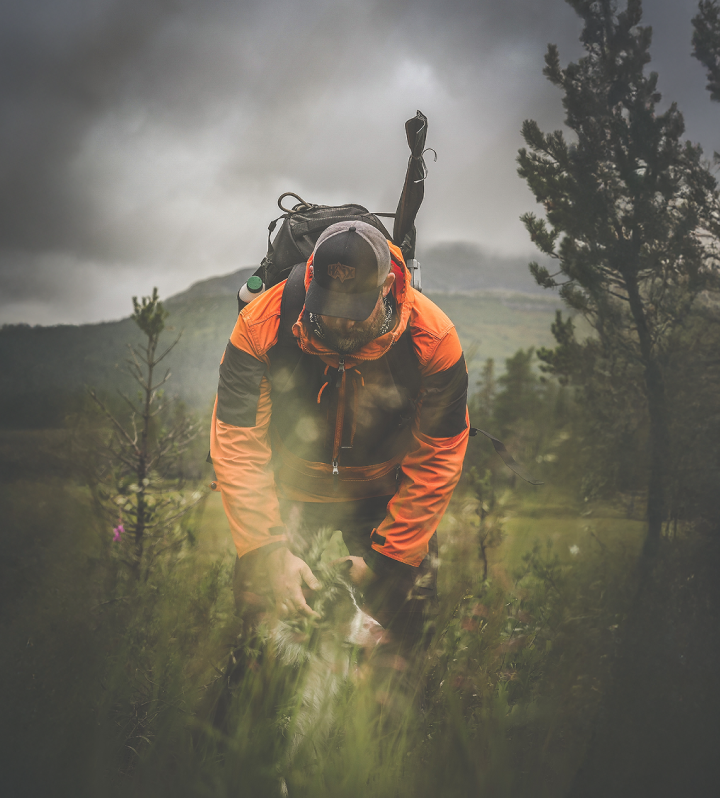
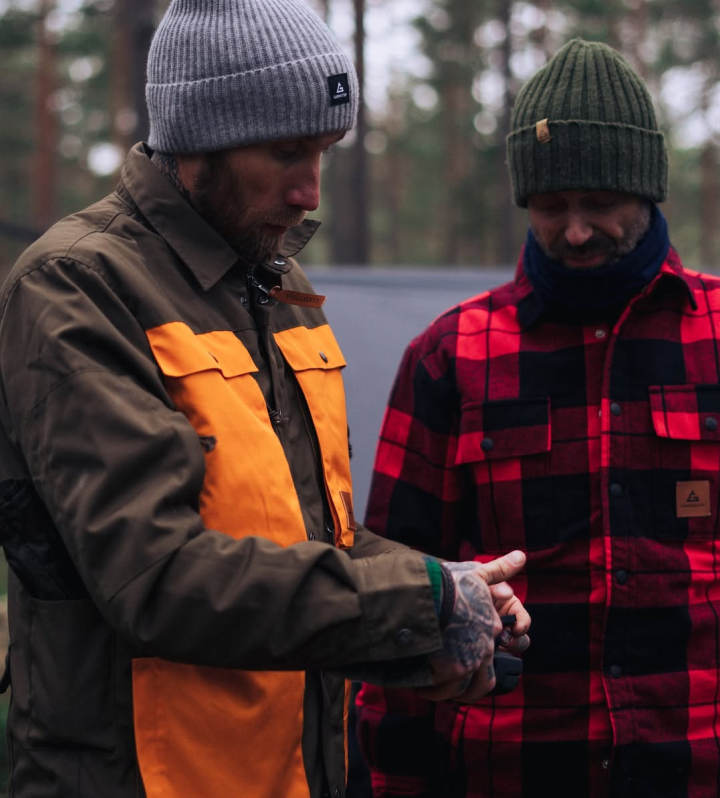
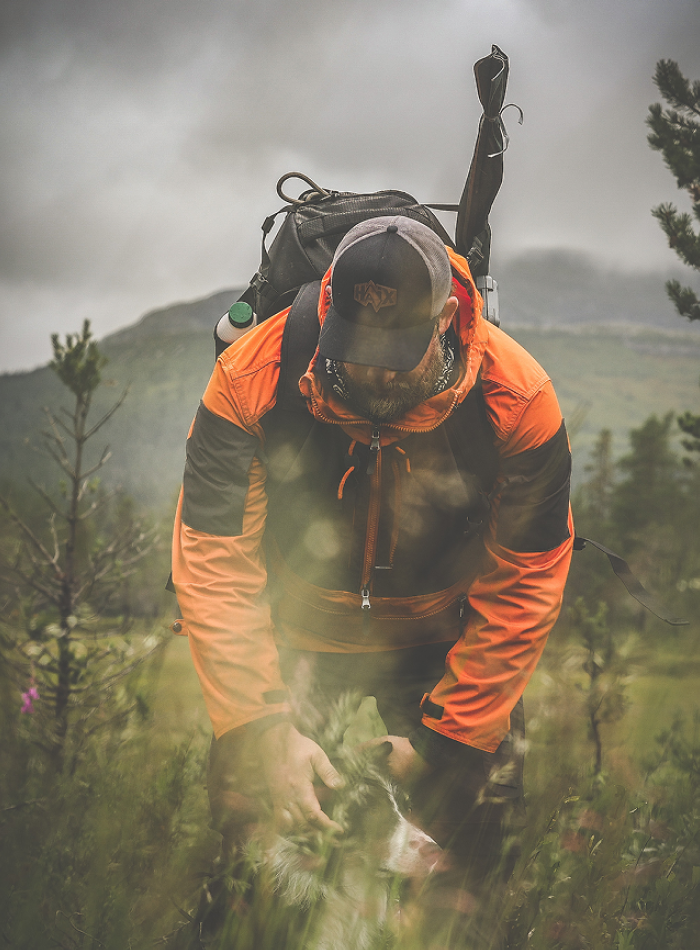
Choosing the right hunting clothes can make a significant difference to your comfort, mobility and overall experience in the field. The ideal clothing setup depends on factors such as weather, terrain, hunting style and activity level.
In this guide, we’ll explain how to choose hunting clothes for different conditions, which features and materials to look for, and how to build a system that performs throughout the hunting season.
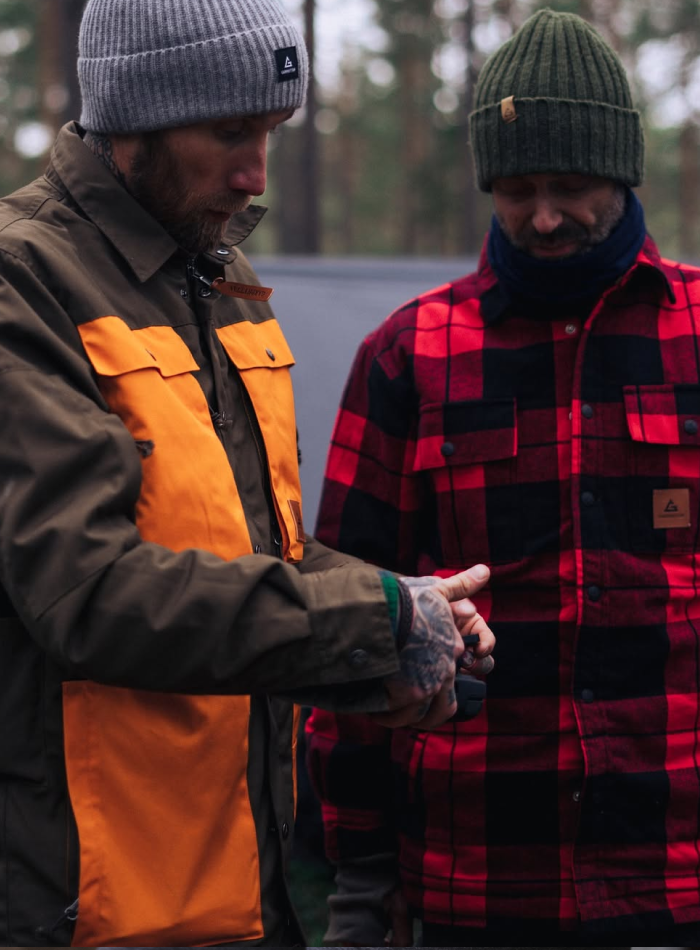
Built for demanding conditions
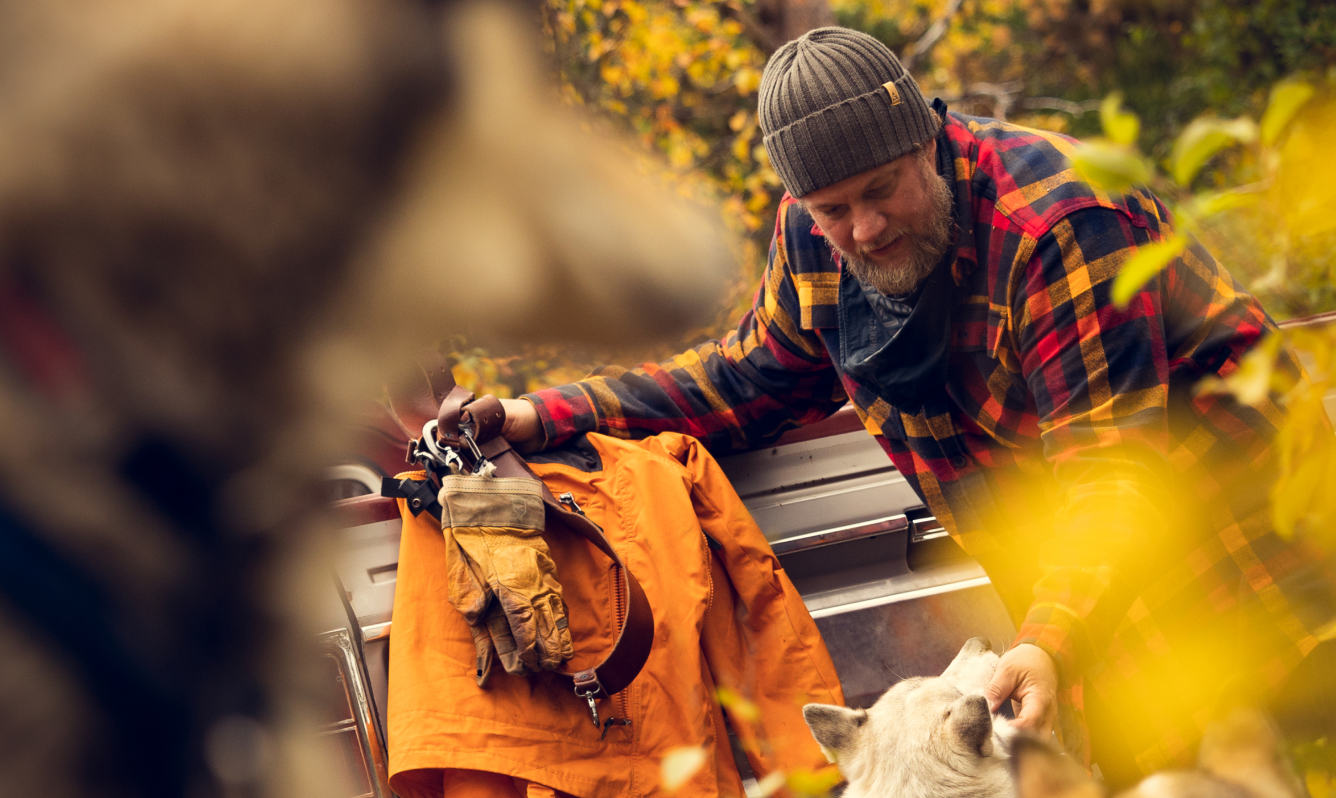
Freedom of movement
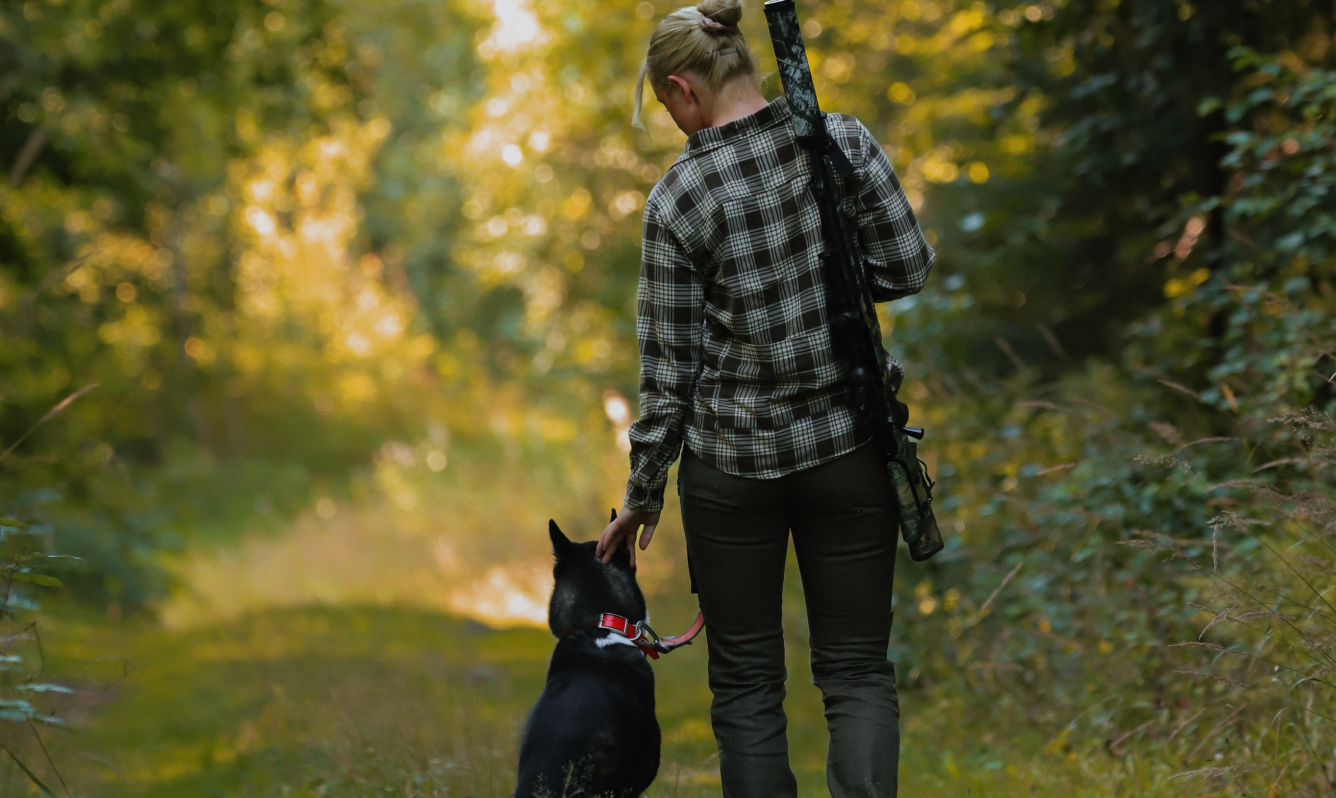
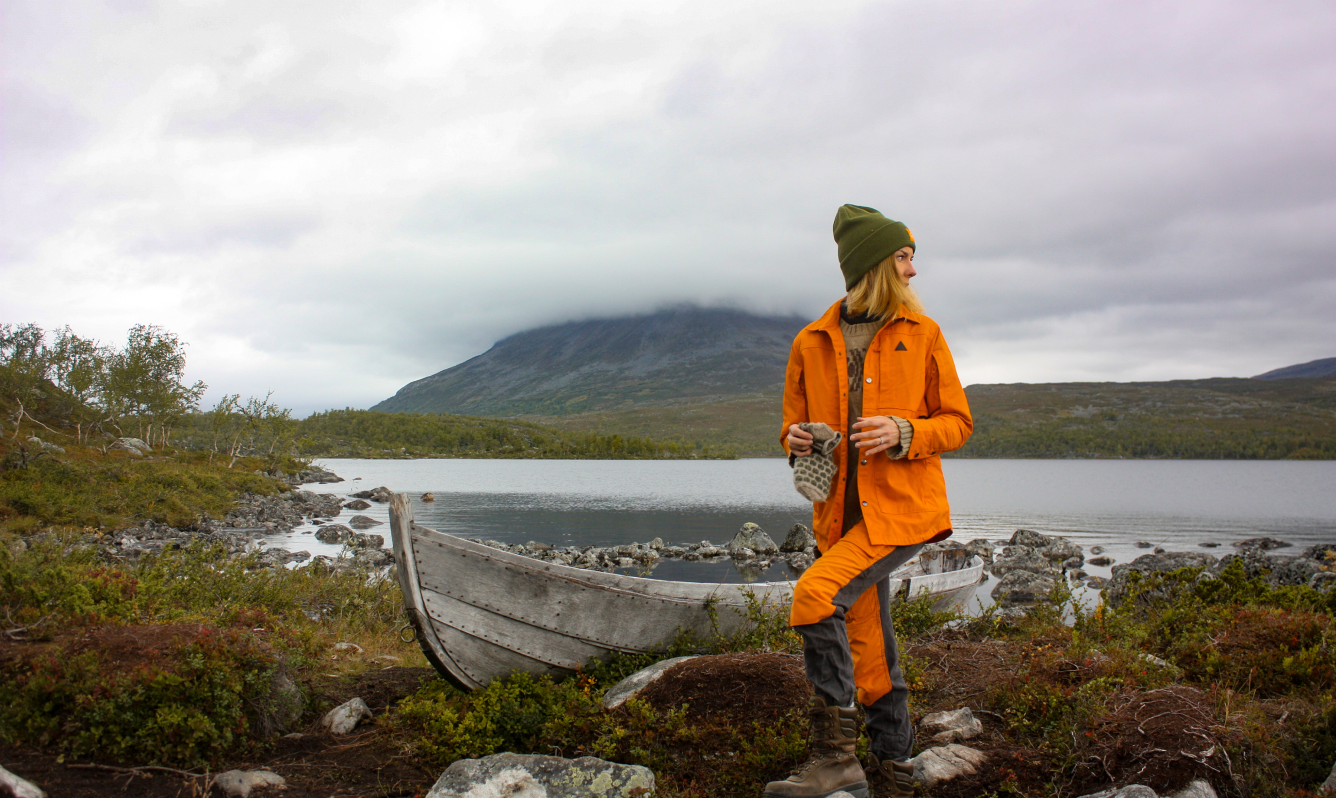
Ready for changing weather
Built for demanding conditions
Freedom of movement
Ready for changing weather
What should you look for in hunting clothes?
How should hunting clothes fit?
How to dress for hunting using layers
Choosing hunting clothes for different seasons
Choosing hunting clothes for different hunting styles
Which materials are best for hunting clothes?
How to make hunting clothes last longer
Frequently asked questions
The best hunting clothes combine durability, freedom of movement, weather protection and breathability. Most hunters benefit from a layering system that can be adapted to different weather conditions, hunting styles and activity levels throughout the season.
The best hunting clothes balance durability, comfort and functionality. While the ideal setup depends on factors such as weather, terrain and hunting style, there are several key characteristics worth considering when choosing hunting clothing.
Durability
Hunting often involves rough terrain, dense vegetation and frequent use. Durable hunting clothes should withstand abrasion, changing weather and repeated wear while maintaining comfort and performance.
Freedom of movement
Whether you’re stalking through woodland or climbing into a hunting stand, unrestricted movement is essential. Hunting clothes should allow you to move naturally while still leaving room for layering when needed.
Weather protection
Wind, rain and changing temperatures place different demands on your clothing. The right hunting clothes should provide protection from the elements without compromising comfort. For garments made from cotton or polycotton fabrics, regular waxing can help improve water resistance and long-term protection.
Breathability
Physical activity generates heat, even in colder conditions. Breathable fabrics and ventilation features help regulate temperature and reduce moisture build-up during active hunting.
Practical functionality
Features such as practical pockets, ventilation zippers and adjustable details can improve comfort and provide easier access to essential equipment in the field.
Hunting clothes should provide enough room for comfortable movement and layering without feeling overly loose or restrictive. A fit that is too tight can limit mobility and make layering difficult, while clothing that is too loose may become uncomfortable during active hunting.
The ideal fit depends on the conditions and the type of hunting involved. Active hunting styles often benefit from a slightly closer fit that allows for unrestricted movement, while colder conditions may require additional room for insulating layers underneath.
When trying on hunting clothing, it is worth considering how it will perform throughout a full day in the field. You should be able to walk, crouch, climb and shoulder a rifle comfortably while maintaining freedom of movement in all conditions. Since weather conditions and activity levels can vary significantly throughout the season, many hunters rely on a layering system to adapt their clothing as conditions change.
A layering system is one of the most effective ways to stay comfortable during a hunt. By combining multiple layers, you can regulate body temperature, manage moisture and adapt to changing weather conditions throughout the day.
Most hunting clothing systems consist of three core layers:
Base layer
The base layer sits closest to the skin and is designed to manage moisture. Its primary role is to move perspiration away from the body to help keep you dry and comfortable during both active and stationary periods.
Mid layer
The mid layer provides insulation by trapping warm air around the body. Depending on the weather, this layer may range from a lightweight fleece to a more insulating garment designed for colder conditions.
Outer layer
The outer layer protects against wind, rain and other environmental conditions. It should provide weather protection while still allowing enough breathability and freedom of movement for the type of hunting involved.
Since weather conditions and activity levels can change significantly throughout the season, many hunters adjust their layering system depending on the forecast, terrain and hunting style.
For a more detailed explanation of how each layer works and how to build a layering system for different conditions, read our complete Layering Guide.
Don’t forget your feet
Footwear and socks play a key role in comfort during long days in the field. Many hunters prefer merino wool socks thanks to their temperature-regulating properties, moisture management and comfort across changing conditions.
The right hunting boots should provide stability, grip and protection while matching the terrain and weather conditions. In wet, cold or muddy conditions, insulated and waterproof boots help keep your feet warm and dry throughout the day.
Our Hiking Socks and Liner Socks are made with a merino wool blend and are backed by a Lifetime Warranty.
The ideal hunting clothing setup varies throughout the year. Temperature, precipitation and activity levels all influence how you should dress in the field. By adapting your clothing system to the season, you can stay comfortable and focused in changing conditions.
Spring hunting
Spring weather can be highly unpredictable, with cool mornings, mild afternoons and occasional rain. A flexible layering system combined with lightweight weather protection allows you to adapt as conditions change throughout the day.
Summer hunting
During warmer months, breathability and moisture management become especially important. Lightweight clothing, ventilation features and moisture-wicking base layers can help regulate body temperature and improve comfort during active hunting.
Autumn hunting
Autumn is often considered the most demanding season in terms of clothing. Temperatures can vary significantly, while rain, wind and long days outdoors require a versatile clothing system. Durable outerwear, insulating mid layers and adaptable weather protection are often key considerations.
Winter hunting
Cold weather hunting requires a greater focus on insulation and heat retention. Layering becomes particularly important, allowing you to add or remove insulation depending on activity levels while maintaining protection from wind, snow and low temperatures.
Different hunting styles place different demands on your clothing. Factors such as activity level, weather exposure and time spent moving or sitting still all influence which features are most important.
Stand hunting
Stand hunting often involves long periods of limited movement, making insulation and weather protection particularly important. A layering system that provides warmth without restricting comfort can help you stay focused during extended periods outdoors.
Stalking
Stalking is a more active form of hunting that typically requires greater freedom of movement and breathability. Lightweight clothing, ventilation features and moisture management become increasingly important when covering longer distances on foot.
Driven hunting
Driven hunting often combines periods of movement with periods of waiting. Versatile clothing that balances weather protection, comfort and mobility can help you adapt to changing conditions throughout the day.
Different materials offer different advantages depending on the conditions, weather and type of hunting involved. Rather than looking for a single “best” material, it is often more useful to understand the strengths of each option and choose clothing that matches your needs.
Polycotton
Polycotton combines the comfort of cotton with the durability and quick-drying properties of synthetic fibres. It is commonly used in outdoor and hunting clothing due to its balance of durability, breathability and versatility. For additional weather protection, many polycotton garments can also be treated with wax to improve water resistance.
Wool
Wool is valued for its natural insulating properties and ability to regulate temperature in changing conditions. It can help keep you warm in colder weather while continuing to provide insulation even when exposed to moisture.
Fleece
Fleece is a lightweight and highly breathable insulating material that works particularly well as a mid layer. It provides warmth without adding excessive weight and is often used in layering systems for active outdoor pursuits.
Synthetic insulation
Synthetic insulation is designed to trap warm air and retain heat in cold conditions. It is commonly used in insulated jackets and other garments intended for colder weather.
Quality hunting clothing is an investment that can provide years of reliable use when properly maintained. Regular care not only helps preserve comfort and performance but can also extend the lifespan of your garments.
Clean your clothing when needed
Mud, dirt and other contaminants can gradually wear down fabrics over time. Following the care instructions for each garment helps maintain both functionality and appearance while reducing unnecessary wear.
Reapply protection when required
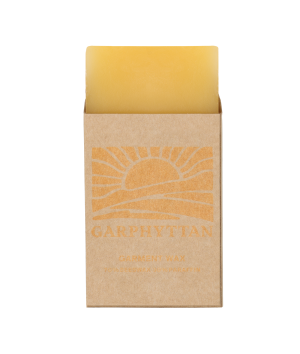
Garments made from cotton or polycotton fabrics can often benefit from regular waxing to help maintain water resistance and protect against wear. Reapplying wax to high-exposure areas can help extend the lifespan of outdoor clothing used in demanding conditions.
Store clothing correctly
Allow garments to dry fully before storage and keep them in a cool, dry environment. Proper storage helps prevent unnecessary wear and keeps clothing ready for the next season.
Repair rather than replace
Small repairs can often extend the lifespan of hunting clothing significantly. Addressing minor damage early can help prevent larger issues from developing and keep garments performing for longer.
For more detailed advice on maintaining outdoor clothing, read our Care Guide. You can also learn how to maintain water resistance and protect cotton and polycotton garments in our Wax Guide.
Cold weather hunting often requires a layering system that combines moisture management, insulation and weather protection. The exact setup depends on temperature, activity level and weather conditions.
Not necessarily. The right level of weather protection depends on the conditions and hunting style. In wet weather, waterproof or highly water-resistant garments can improve comfort, while breathable clothing may be preferable during more active hunting.
Yes. Wool is valued for its natural insulating properties, temperature regulation and ability to provide warmth even when exposed to moisture.
Most hunting clothing systems consist of a base layer, a mid layer and an outer layer. Additional insulation may be added during colder conditions.
Hunting clothes should allow comfortable movement and leave enough room for layering without feeling overly loose or restrictive.
The frequency depends on how often the garment is used and the conditions it is exposed to. Many hunters reapply wax when they notice reduced water resistance or increased wear in exposed areas.
Earth tones and natural colors are commonly used because they blend into outdoor surroundings, while high-visibility orange is often used during certain types of hunting to improve visibility and safety during organised hunts and in areas with multiple hunters.
The lifespan of hunting clothing depends on factors such as material quality, frequency of use and maintenance. With proper care, quality hunting clothing can provide many years of reliable use.
High-visibility orange is commonly used during certain types of hunting to improve visibility and safety. Requirements vary depending on location and hunting regulations, so it is always important to follow local recommendations and rules.
Autumn hunting often involves changing temperatures, rain and wind. Many hunters rely on a layering system that combines moisture management, insulation and weather protection to adapt throughout the season.
The right hunting clothing system can improve comfort, mobility and protection throughout the season. Whether you’re hunting in spring, autumn or winter, choosing durable and versatile outdoor clothing helps you stay prepared for changing conditions.
We use cookies to enhance your browsing experience, serve personalised ads or content, and analyze our traffic. By clicking “Allow all”, you consent to our use of cookies.