3 for 2 on all shirts →

Clothing care guide: Make your clothes last longer

Clothing care guide: Make your clothes last longer

Outdoor clothing is made to be used. Dirt, weather, repeated washing and everyday wear are all part of that. But the right care can make a big difference to how long your clothes last.

In this guide, we cover how to wash, dry and care for common materials such as cotton, polycotton, flannel, wool, merino wool and fleece.

laundry 1
label 1
recycle 2

Wash only when needed

Follow the care instructions

Extend garment lifespan

laundry 1
label 1
recycle 2

Wash only when needed

Follow the care instructions

Extend garment lifespan

In this guide

Quick answer: How do you make clothes last longer?

The best way to make clothes last longer is to wash them only when needed, follow the garment’s care instructions and avoid unnecessary heat. Airing and spot cleaning can often reduce the need for a full wash.

Different materials require different care. Wool, fleece, flannel and polycotton all need to be cared for differently, while some outdoor garments can be waxed to help maintain their protection and function over time.

How to wash clothes without unnecessary wear

Washing is necessary, but every wash puts some wear on a garment. Outdoor clothing often doesn’t need to be washed after every use. Airing it out or spot cleaning small areas may be enough between washes.

When it is time for a full wash, always follow the care label. Washing temperature, cycle and drying instructions can vary between materials and garments.

Wash only when needed

Check whether airing or spot cleaning is enough before putting the garment in the wash.

Prepare the garment for washing


Close zippers and fasten buttons to help protect the garment and other items in the wash.

Use the right detergent


Some materials, particularly wool and technical fabrics, require specific detergents. Always check the care instructions before using fabric softener.

Avoid unnecessary heat

High washing and drying temperatures can increase wear and may affect fit, shape and material performance.

Wash when needed, not out of habit

At Garphyttan, we believe clothes are made to be used and should only be washed when they actually need it. In many cases, airing the garment, brushing off dirt or spot cleaning a stain is enough.

Avoiding unnecessary washes reduces wear on the garment and can help it stay in use for longer.

How to care for different materials

Different materials react differently to washing, heat and drying. Always follow the care label on the garment, but understanding the material can help you avoid unnecessary wear.

Cotton and polycotton

Cotton and polycotton are durable and relatively easy to care for. Wash only when needed and follow the recommended temperature and cycle, as excessive heat can affect fit, shape and colour over time.

Some polycotton outdoor garments can also be treated with garment wax to improve water resistance and add protection against weather and wear.

Read our guide to waxing outdoor clothing →

Flannel

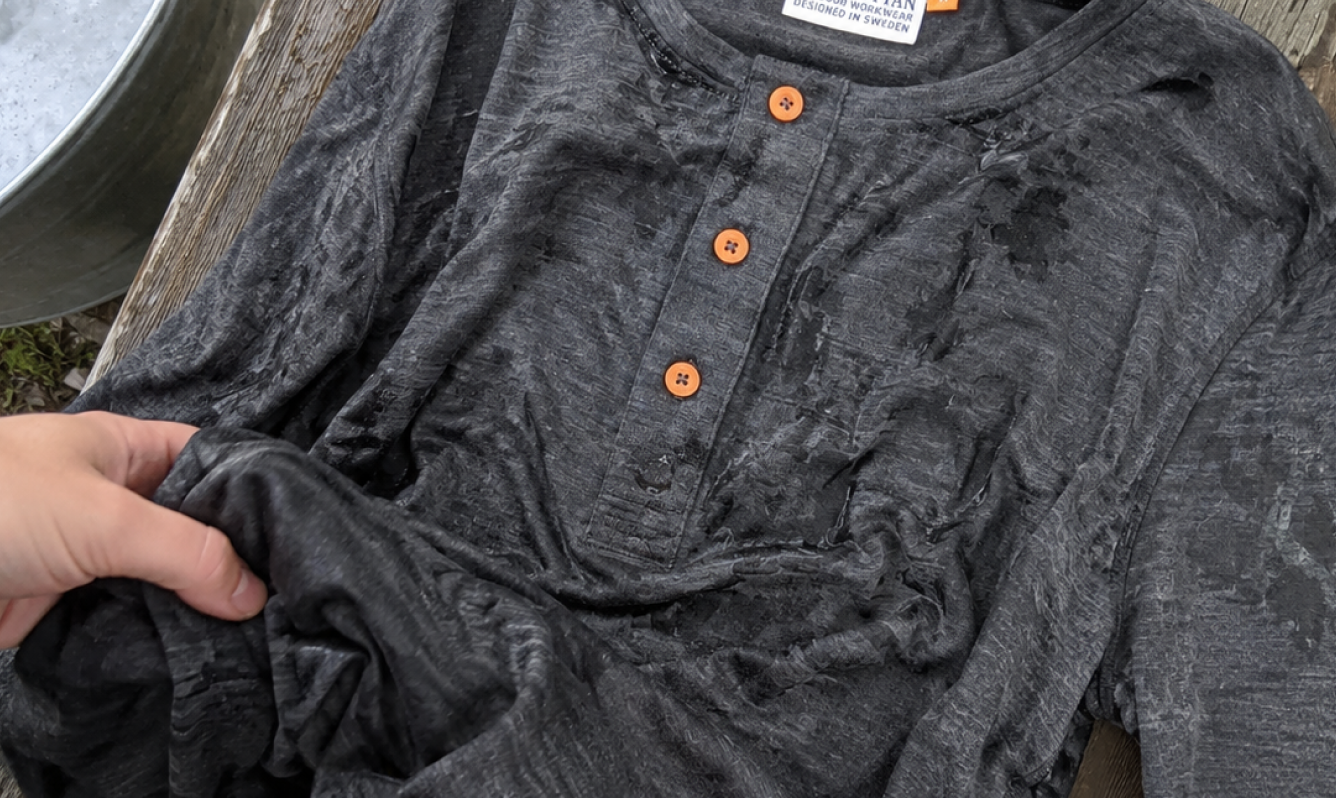
Flannel gets its soft feel from its brushed surface. Wash only when needed and follow the care label to help preserve the fabric, fit and feel. Avoid unnecessary heat when washing and drying, as this can increase wear and affect the garment over time.

Read our flannel guide →

Wool and merino wool

Wool and merino wool often need less frequent washing, as airing the garment can be enough between uses. When washing is needed, follow the care label and use a detergent suitable for wool. Avoid unnecessary heat and handle wet wool garments carefully to help preserve their shape and fit.

Fleece

Fleece is easy to care for, but excessive heat and frequent washing can cause unnecessary wear. Wash only when needed and follow the care label. Avoid fabric softener unless recommended, as it can affect the performance of some fleece and technical fabrics.

Synthetic and stretch fabrics

Synthetic and stretch fabrics are often used for flexibility, quick drying and moisture management. Follow the care label and avoid unnecessary heat, which can affect fibres and stretch properties over time. Avoid fabric softener unless recommended for the garment.

How to dry clothes properly

How you dry a garment can affect its shape, fit and lifespan. Always check the care label first, as the right drying method depends on the material and construction of the garment.

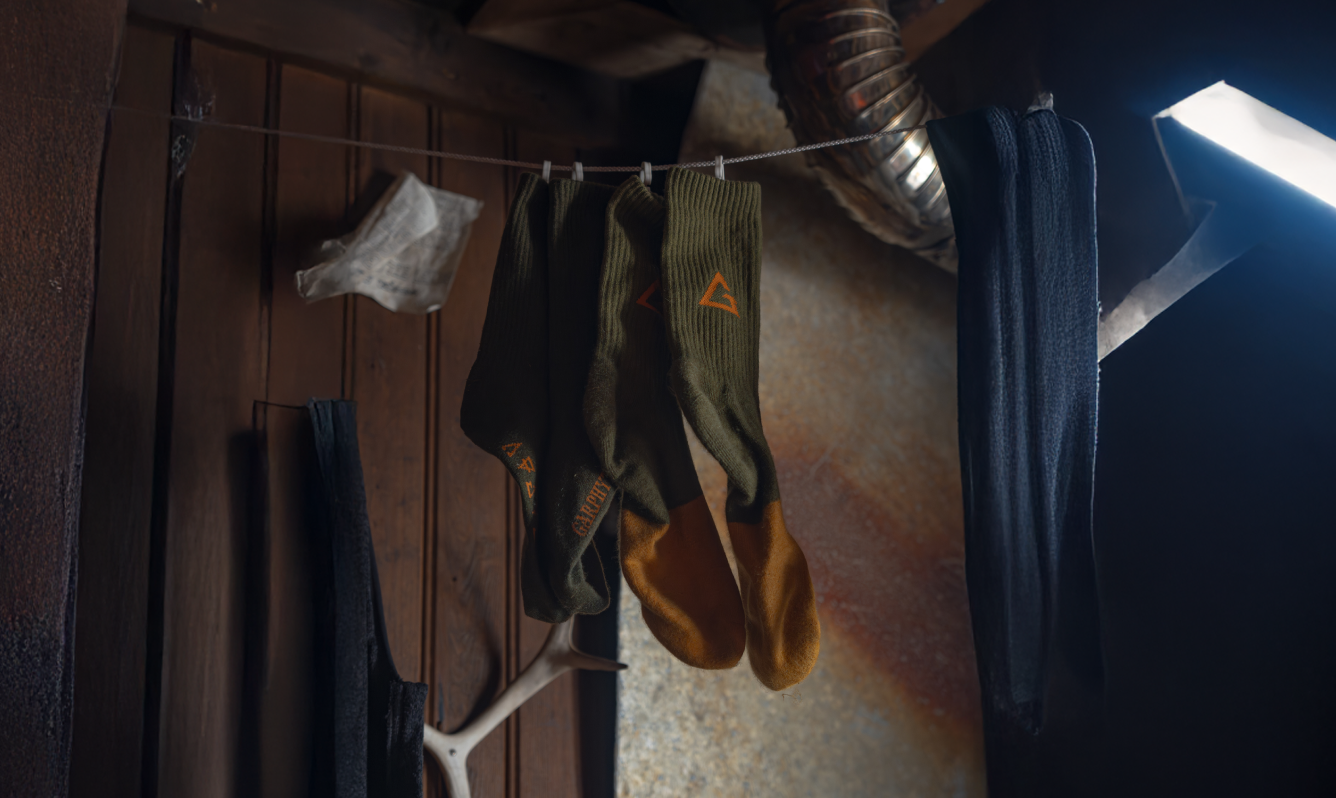
Air drying is often a gentle option when suitable. Avoid unnecessary heat, and take extra care with garments that can lose their shape when wet, such as wool. If tumble drying is permitted, follow the temperature stated on the care label.

When to wax outdoor clothing

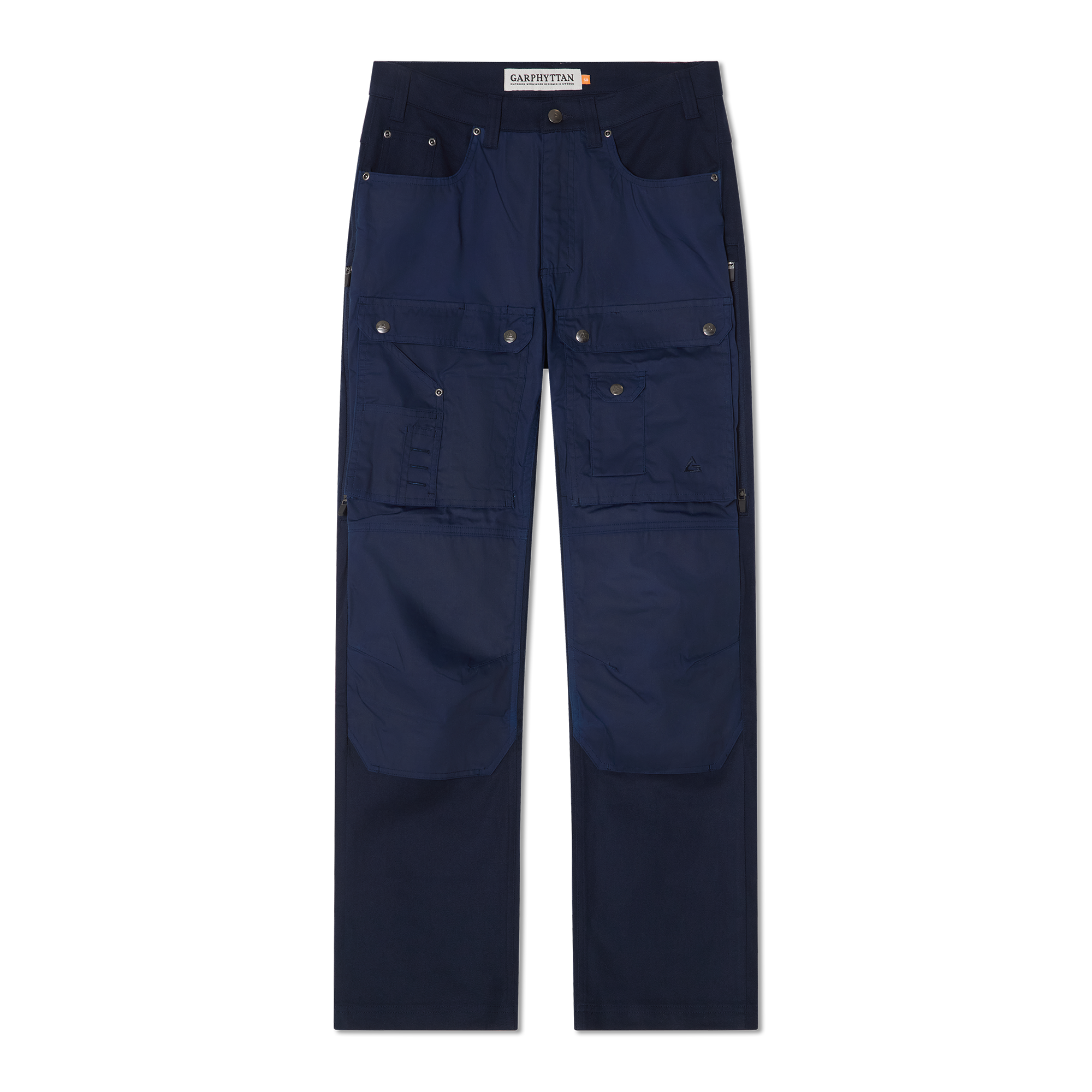
Some outdoor garments can be treated with wax to improve water resistance and add protection against weather and wear. This is particularly relevant for suitable cotton and polycotton fabrics.

How often a garment needs to be rewaxed depends on how much it is used, washed and exposed to the elements. If water no longer beads on the surface as effectively, or the protection has worn away in high wear areas, it may be time to apply a new layer.

Read our guide to waxing outdoor clothing →

Waxable garments

How to store clothes properly

Make sure clothes are clean and completely dry before storing them for longer periods. Moisture and dirt left in the fabric can cause odours and may affect the material over time.

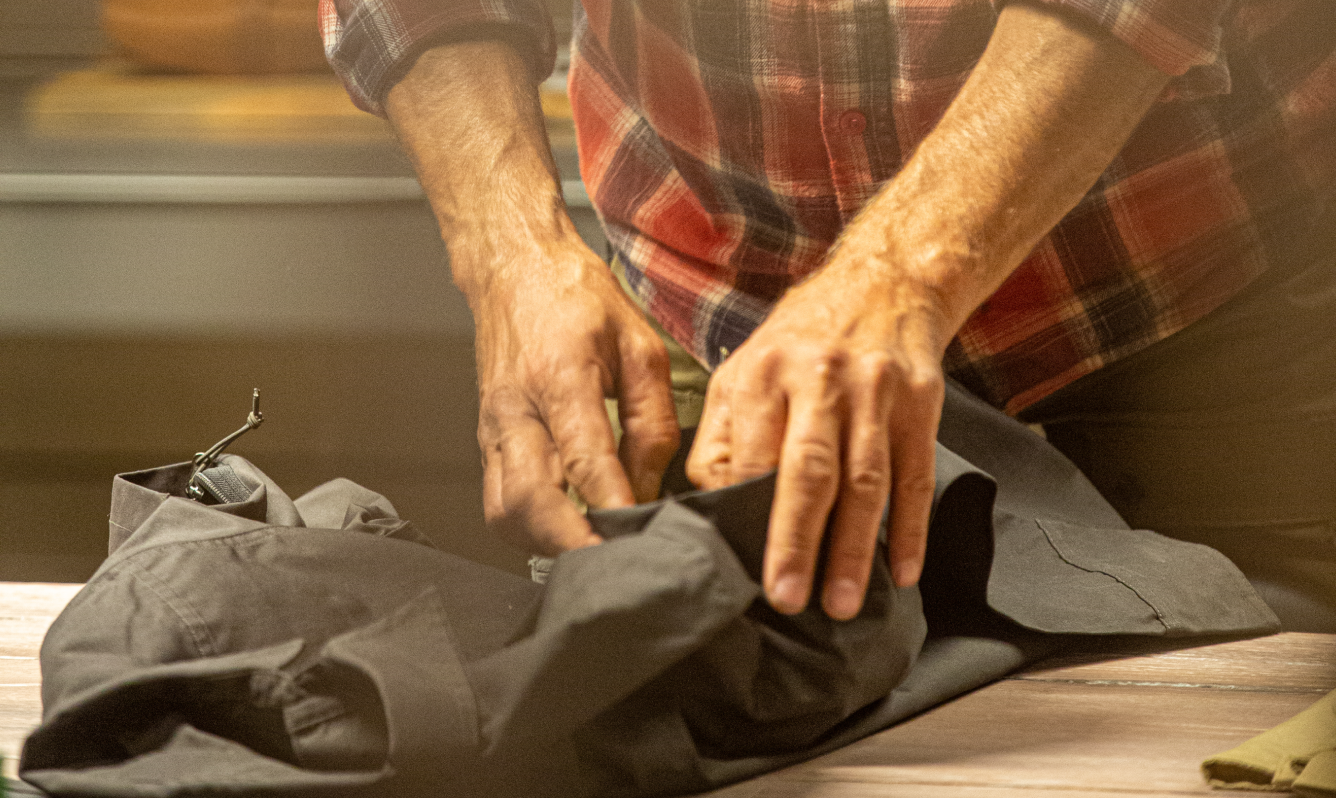
Store garments in a dry, well ventilated place and avoid compressing them unnecessarily. Heavier knitted wool garments are often best stored folded to help them keep their shape.

Frame 694

How to repair and maintain your clothes

Small signs of wear don’t always mean a garment needs to be replaced. Repairing a loose button, small tear or damaged seam early can prevent the damage from getting worse and help extend the life of the garment.

Regular maintenance matters too. Check high wear areas, zippers, buttons and seams from time to time, and deal with small problems before they get worse. A well used garment will show signs of wear, but proper care can help keep it in use for longer.

Frequently asked questions

Outdoor clothing does not always need to be washed after every use. If a garment is not visibly dirty, airing it out or spot cleaning may be enough. Always follow the care label when a full wash is needed.

Wash clothes only when needed, follow the care instructions and avoid unnecessary heat. Airing, spot cleaning, proper drying, correct storage and repairing small damage early can all help extend the life of a garment.

It depends on the garment and material. Fabric softener can affect the properties of some technical and synthetic fabrics, so always check the care label before using it.

Merino wool often needs less frequent washing than many other materials, and airing may be enough between uses. When washing is needed, follow the garment’s care label and use a detergent suitable for wool. Avoid unnecessary heat and handle wet wool carefully.

Some outdoor clothing can be tumble dried, while other garments should not be. Always check the care label and, when tumble drying is permitted, use the recommended temperature to avoid unnecessary heat and wear.

A suitable waxable garment may need a new treatment when water no longer beads as effectively on the surface or when the wax has worn away in high wear areas. How often this is needed depends on use, washing and exposure to the elements.

Read our guide to waxing outdoor clothing →

Take care of the clothes you use

Good clothing care doesn’t have to be complicated. Washing only when needed, following the care instructions and giving different materials the right treatment can help your clothes keep their fit, function and feel for longer.

Explore our garment care products to help protect and maintain your outdoor clothing.

Responsive Menu
0
    0
    Your cart
    Your cart is emptyReturn to shop
      Calculate Shipping
        Don't miss these
        Don't miss these