The Easter Egg is here: half price on Crafter Overshirt →

A Guide to Gloves

A Guide to Gloves

Gloves play a bigger role in everyday life, work, and outdoor activities than many people realize. The right gloves improve comfort, precision, and protection — while the wrong ones quickly become a limitation.

Too warm, too bulky, or simply not suited for the task at hand — it’s a familiar experience for anyone who has relied on a single pair of gloves for everything.

This guide explores how gloves are meant to be used, how materials and construction affect performance, and why a layered handwear system often offers greater flexibility than one all-purpose solution.

Gloves Are Tools – Not Accessories

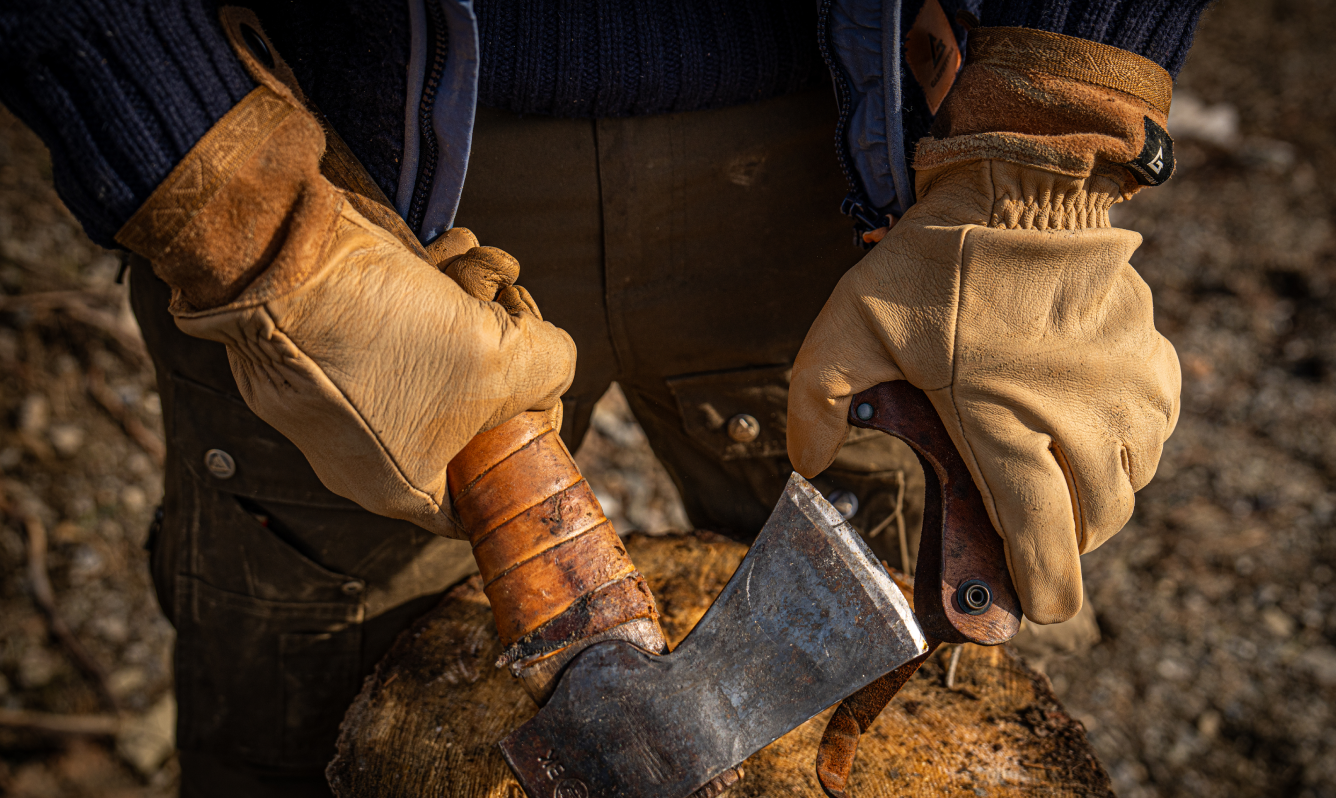
Gloves should be treated like tools. Just as you wouldn’t wear the same jacket for physical work, hiking, and everyday use, gloves need to match the task, the conditions, and the level of precision required.

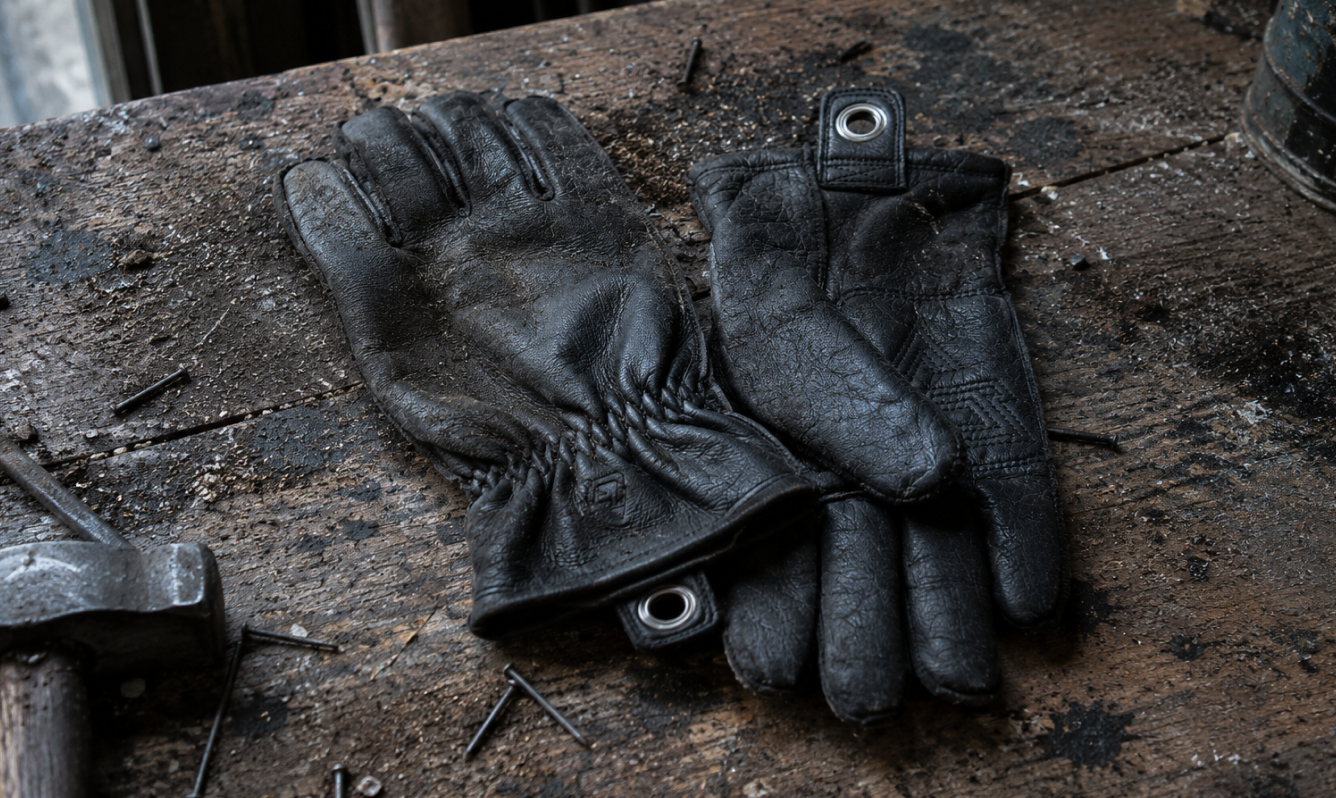
For more demanding tasks where durability and protection matter, workwear-oriented gloves like the Valdez Glove offer added coverage and a more robust feel.

Materials That Matter

Goatskin Leather
Goatskin leather is widely used in high-quality gloves due to its unique balance of softness, durability, and natural grip. It offers excellent finger feel while remaining tough enough for regular use.

Compared to thicker leathers, goatskin provides better dexterity and comfort. Over time, it softens further and adapts to the shape of your hands, creating a personal fit that improves with wear.

Merino Wool
Merino wool serves a different purpose in a glove system. Instead of adding bulk, merino works best as a lightweight insulating layer.

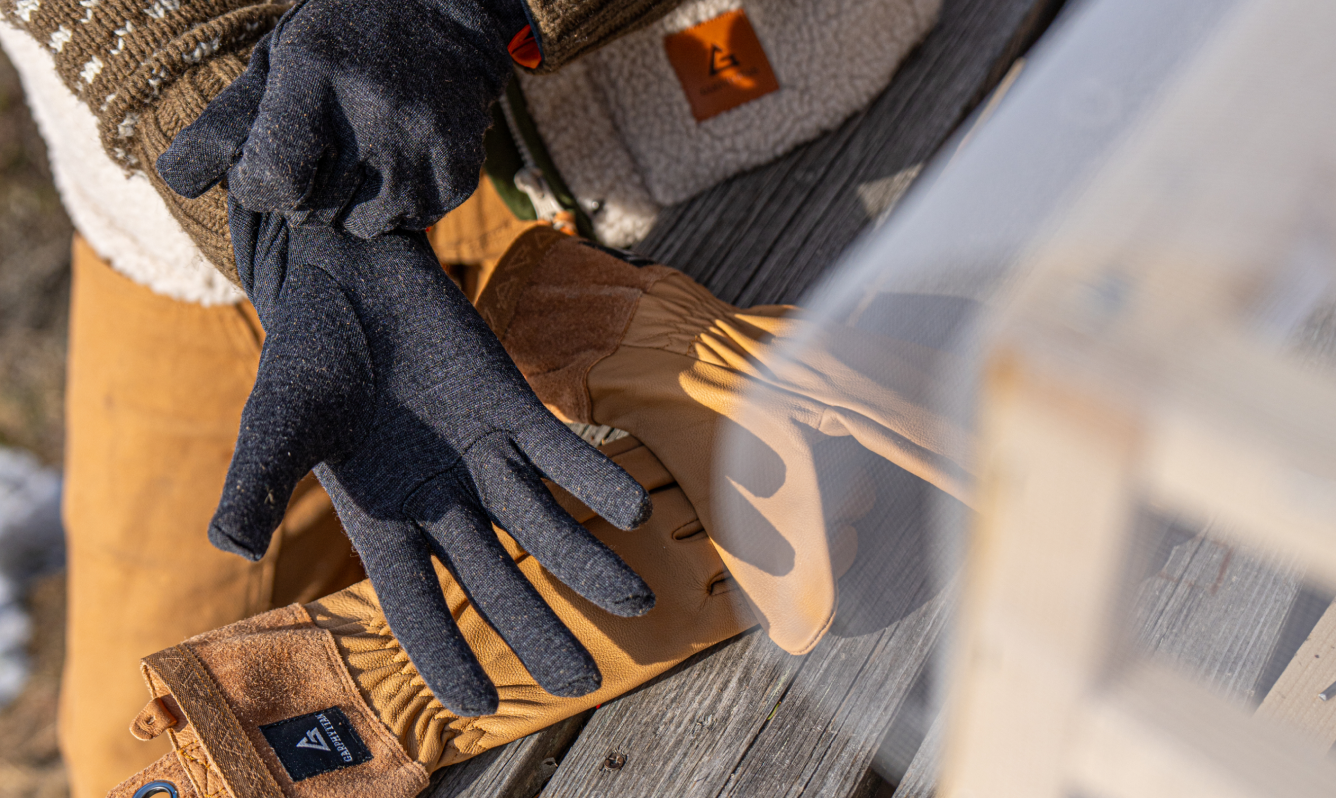
A liner such as the Yukon Merino Liner helps regulate temperature, manage moisture, and add warmth without compromising dexterity.

Unlined Gloves vs. Insulated Gloves

A common misconception is that warmer gloves are always better. In reality, unlined gloves often offer greater versatility across changing conditions.

Why Unlined Leather Gloves Make Sense

  • Better dexterity and precision
  • Wider temperature range
  • Improved breathability during activity
  • Flexibility to add a liner when needed

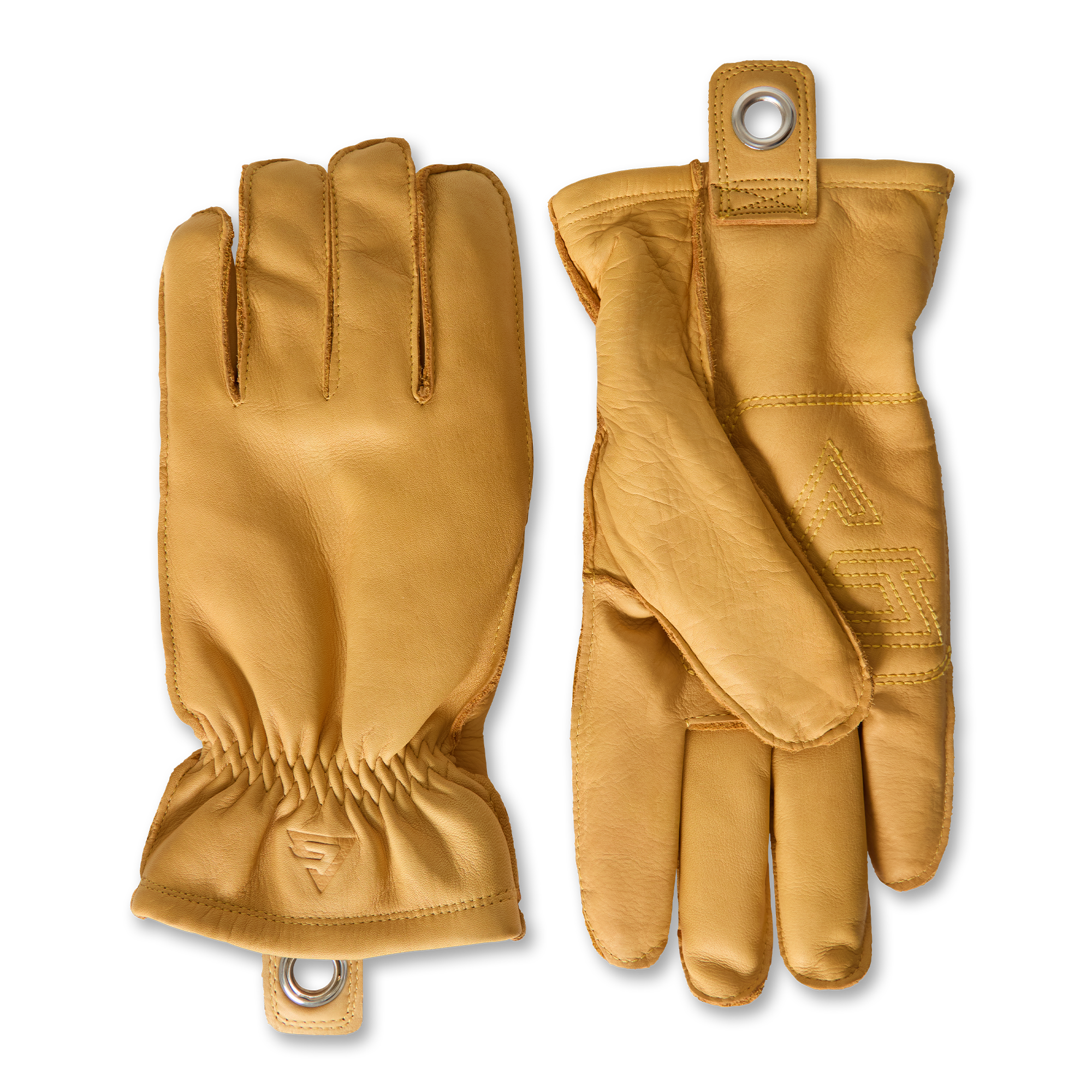
Unlined leather gloves designed for everyday use, such as the Anchorage Glove, are well suited for light work, outdoor activities, and daily wear.

When Insulation Is the Right Choice
Insulated gloves or mittens are better suited for colder conditions and low-activity situations where warmth is the main priority. The trade-off is often reduced dexterity and adaptability.
This is why layering plays an important role in a functional handwear setup.

Gloves, Mittens, and Liners – A Handwear System

Rather than relying on one glove for every situation, it’s more effective to think in terms of a system.

  • Leather gloves provide precision, grip, and everyday versatility
  • Leather mittens, such as the Valdez Mitts, prioritize warmth in colder conditions
  • Merino liners add insulation and adaptability when temperatures drop

Combining these elements allows you to adjust your handwear throughout the year without sacrificing comfort or performance.

Fit, Feel, and Everyday Comfort

Fit has a significant impact on how gloves perform. Gloves that are too tight restrict movement, while loose gloves reduce control and warmth.

Well-designed leather gloves are typically true to size and shaped to follow the natural form of the hand. With use, the leather softens and molds to your hands, improving comfort over time.

Unlined gloves offer the closest connection between your hands and the task at hand, while liners provide a simple way to extend warmth when needed.

Care and Longevity

Quality leather gloves are made to last, but proper care helps extend their lifespan.

  • Allow gloves to air dry after use
  • Avoid prolonged exposure to moisture
  • Store them in a dry place when not in use
  • When needed, treat the leather with a leather balm to maintain softness and durability


Simple care routines help preserve both comfort and function over time.

Building the Right Handwear Setup

There is no single glove that works for every situation. The most practical approach is to build a small, considered handwear setup that covers everyday use, outdoor activities, and colder conditions.

By choosing the right materials and combining gloves, mittens, and liners thoughtfully, you gain flexibility, comfort, and long-term value. A good pair of gloves should feel like a natural extension of your hands — ready for work, outdoor life, and everyday use.

Common Questions About Gloves

Yes. Gloves should be chosen based on the task, conditions, and level of precision required. Just as you wouldn’t use the same jacket for physical work, hiking, and everyday wear, gloves perform best when matched to how and where they are used.

Gloves provide greater dexterity and control, making them better suited for tasks that require precision. Mittens keep fingers together, helping retain warmth in colder conditions, but offer less individual finger movement.

Unlined gloves can be used across a wide range of conditions thanks to their flexibility and natural feel. In colder weather, they can be combined with a liner to add warmth without sacrificing dexterity.

A liner system allows you to adapt your handwear to changing temperatures and activity levels. Instead of relying on one heavily insulated glove, liners provide flexibility by adding or removing insulation as needed.

Leather gloves should be allowed to air dry after use and stored in a dry place. To maintain softness and durability over time, the leather can be treated with a leather balm when needed.

Responsive Menu
0
    0
    Your cart
    Your cart is emptyReturn to shop
      Calculate Shipping
        Don't miss these
        Don't miss these